

ALLATRA International Public Movement Representatives Addressed Issues of Democratic Resilience and Information Pressure at OSCE Meeting in Vienna
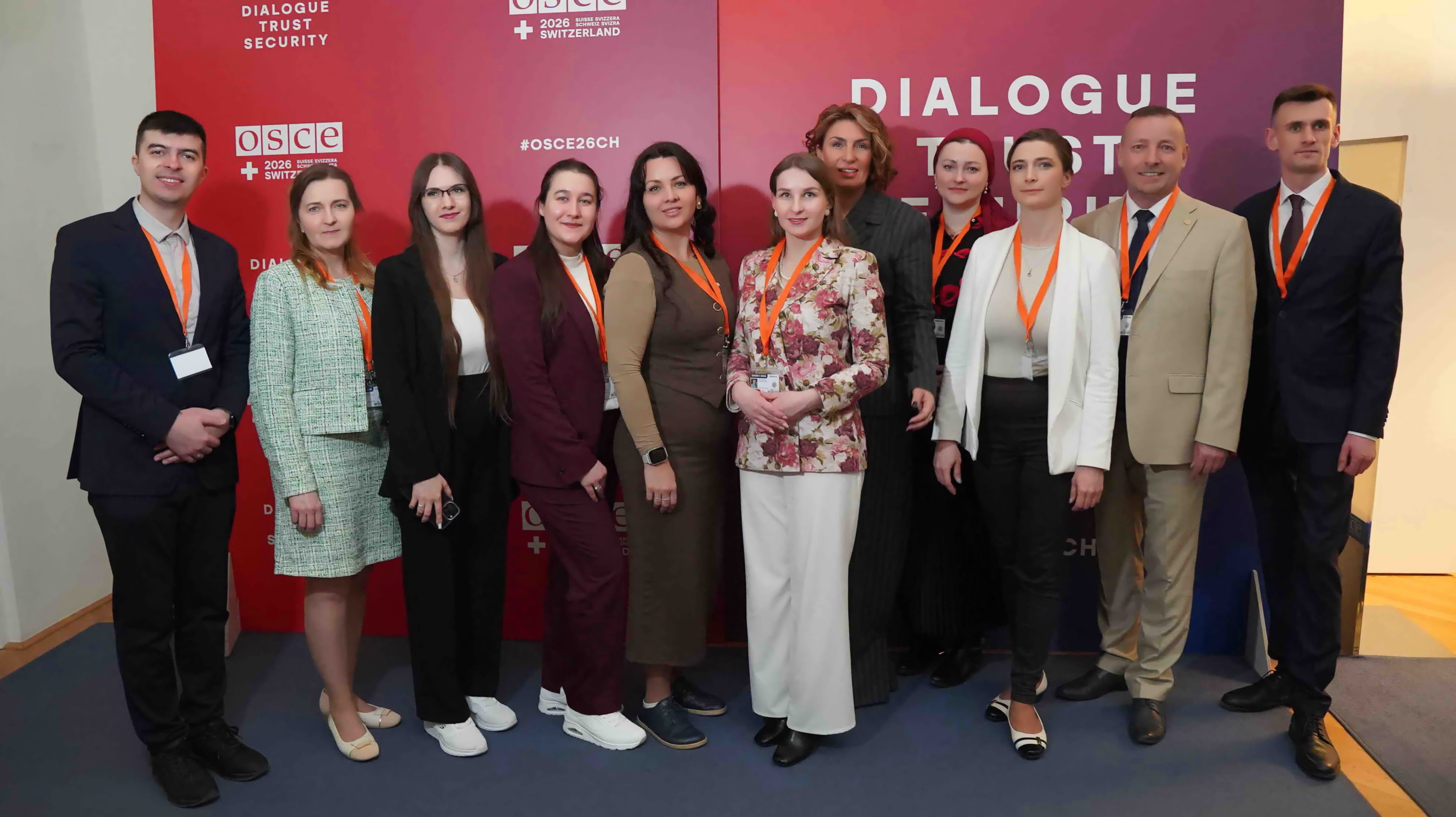
VIENNA, Austria – On March 16–17, 2026, the OSCE Supplementary Human Dimension Meeting on “Lawmaking for Democratic Resilience” served as a platform for discussion on emerging challenges to democratic governance. Representatives of the ALLATRA International Public Movement contributed to the dialogue by speaking at two plenary sessions and orginized a dedicated side event.
The side event titled “Anti-Cult Networks as Legislative Capture: How Stigmatization Erodes Democratic Lawmaking” focused on the activities and narratives associated with the international anti-cult network, rooted in Russia, and their impact on democratic institutions in various countries.
The aim of the event was to highlight mechanisms through which stigmatizing narratives influence public discourse, institutional decision-making, and legislative processes. Speakers outlined recurring patterns developing through stages of stigmatization, disinformation, institutional pressure, and ultimately criminalization.
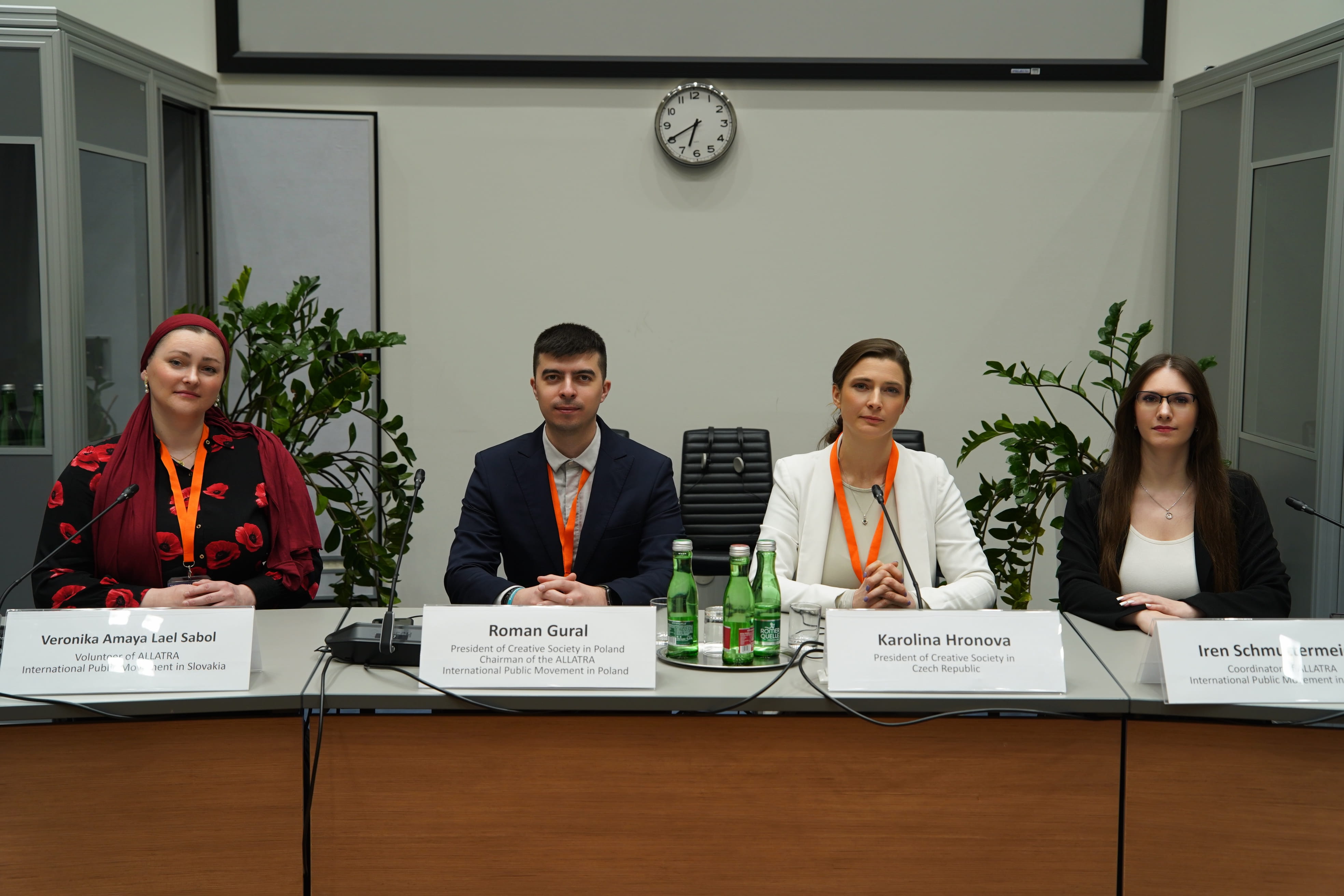
Roman Gural from Poland introduced the analytical framework used to examine anti-cult dynamics, stating:
“What is the methodology of the anti-cult network? In examining documented cases of methodology of the anti-cult network from several countries, researchers have identified a recurring pattern in how anti-cult narratives develop and negatively influence public discourse.”
Speaker noted that when such coordinated campaigns systematically target specific social groups, undermine equal participation, and create conditions for exclusion, they may acquire characteristics consistent with information terrorism — the deliberate use of information to generate fear, social division, and pressure on democratic systems. In this context, particular concern was expressed regarding campaigns associated with the Russian Association of Centers for the Study of Religions and Sects (RACIRS). Repeated labeling and discrediting narratives of RACIRS extend beyond opinion-based criticism into sustained forms of information pressure affecting rights and democratic safeguards.
Iren Schmuttermier from Austria emphasized the systemic impact of anti-cult mechanisms on democratic structures, stating:
“In essence, anti-cultism is a systemic instrument for destroying democracy and justifying totalitarian violence.”
In her speech particular attention was given to the Russian Federation as a case study illustrating the long-term embedding of anti-cult narratives into institutional and legal frameworks, which has led to a significant tightening of fundamental rights within civil society. She also addressed the role of RACIRS, headed by Alexander Dvorkin, in shaping narratives that have contributed to the marginalization of religious minorities and civil society actors in the Russian Federation.
The discussion also examined the transnational dimension, including the role of the European Federation of Centres of Research and Information on Sectarianism (FECRIS) in disseminating anti-cult narratives across European countries.
Karolina Hronova from the Czech Republic stressed the cross-border impact of these dynamics:
“The very same hybrid warfare methods of stigmatization, disinformation, institutional pressure and attempt of legislative manipulation have been and are being deployed across European democratic countries.”
A separate part of the event focused on the case of the ALLATRA International Public Movement in both Russia and Ukraine, presented as an example of how coordinated stigmatization campaigns organized by an anti-cult network under the leadership of the Russian RACIRS may influence public perception and institutional approaches even in opposing geopolitical contexts. Reference was made to the Ukrainian court decision of February 25, 2026, which found no legal grounds for banning the movement and rejected the evidentiary basis due to methodological unreliability and bias.
ANTI-CULT NARRATIVES AND DEMOCRATIC RESILIENCE
The discussion addressed the broader implications of anti-cult narratives for democratic resilience. Speakers noted that democratic erosion may occur not only through unlawful actions, but also through formally lawful procedures shaped by prolonged information pressure.
They emphasized that stigmatizing narratives often precede legislative or judicial action by influencing public perception. Over time, such narratives may normalize exclusion of social groups and facilitate the acceptance of restrictive measures.
FREEDOM OF EXPRESSION AND DEHUMANIZATION
A key theme of the side event was the relationship between freedom of expression and the spread of dehumanizing narratives. While freedom of expression remains a cornerstone of democratic societies, speakers highlighted the importance of distinguishing between legitimate public debate and coordinated campaigns of stigmatization and disinformation.
Reference was made to the jurisprudence of the European Court of Human Rights, which recognizes that freedom of expression carries responsibilities and may be subject to limitations when necessary to protect the rights and dignity of others.
Veronika Amaya Lael Sabol from Slovakia addressed the broader informational dimension of the issue:
“Freedom of expression should serve truth, pluralism, and open debate — not the systematic dehumanization of communities.”
PLENARY INTERVENTIONS
During the first plenary session, Dušan Valeček from the Czech Republic, addressed the issue of anti-cult networks as a hybrid threat to democratic systems. He emphasized that under the guise of combating so-called “dangerous sects,” such networks may engage in systematic campaigns targeting religious minorities, civic initiatives, and human rights defenders, while also seeking to influence legislative and institutional processes.
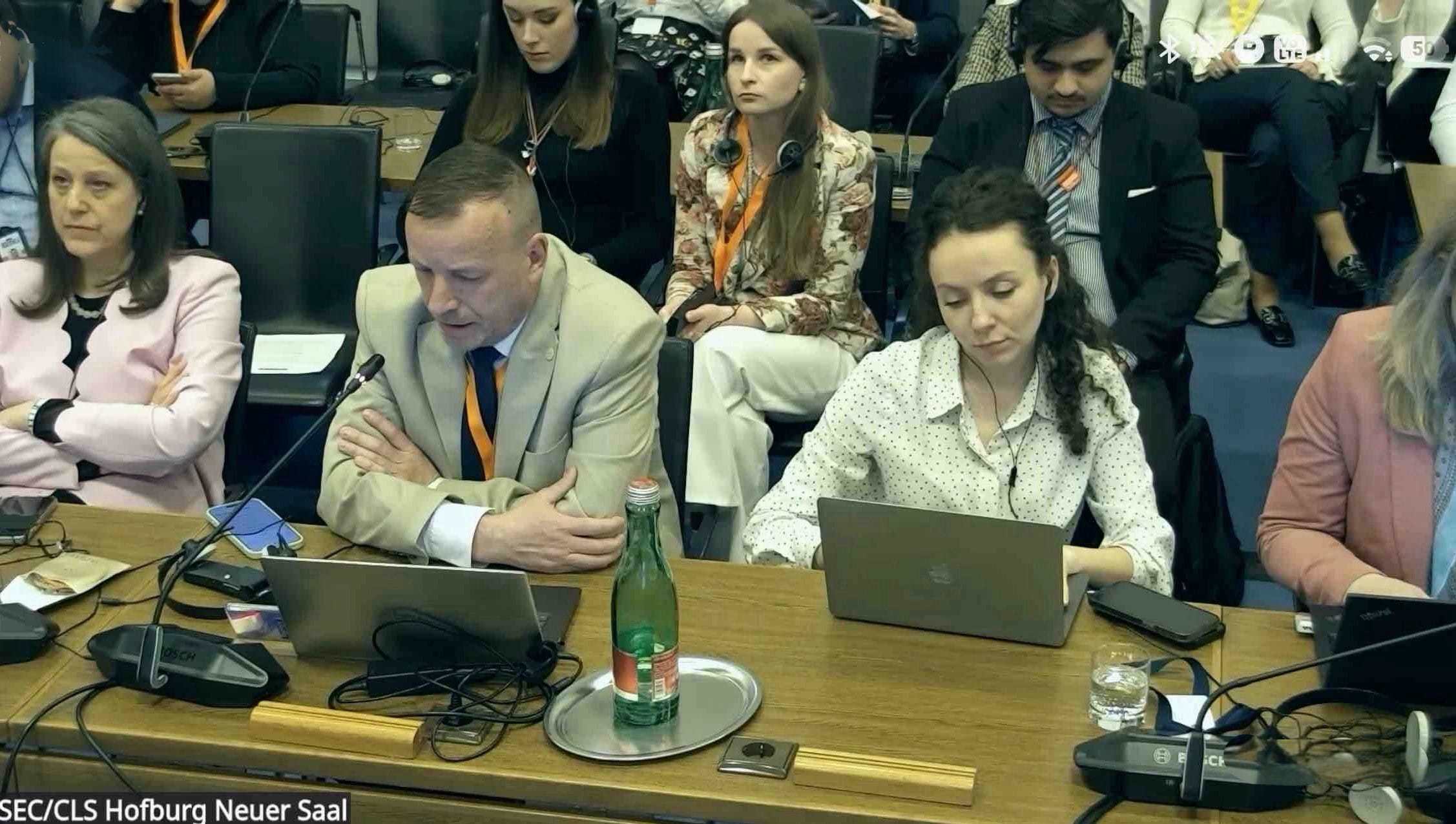
He also recalled that similar concerns had been raised during previous OSCE events and pointed to the need for further international attention to this issue.
In the third plenary session, Jevgenija Malecka, a retired law enforcement officer and legal adviser from Latvia, focused on the relationship between stigmatization, disinformation, and restrictions on fundamental rights.
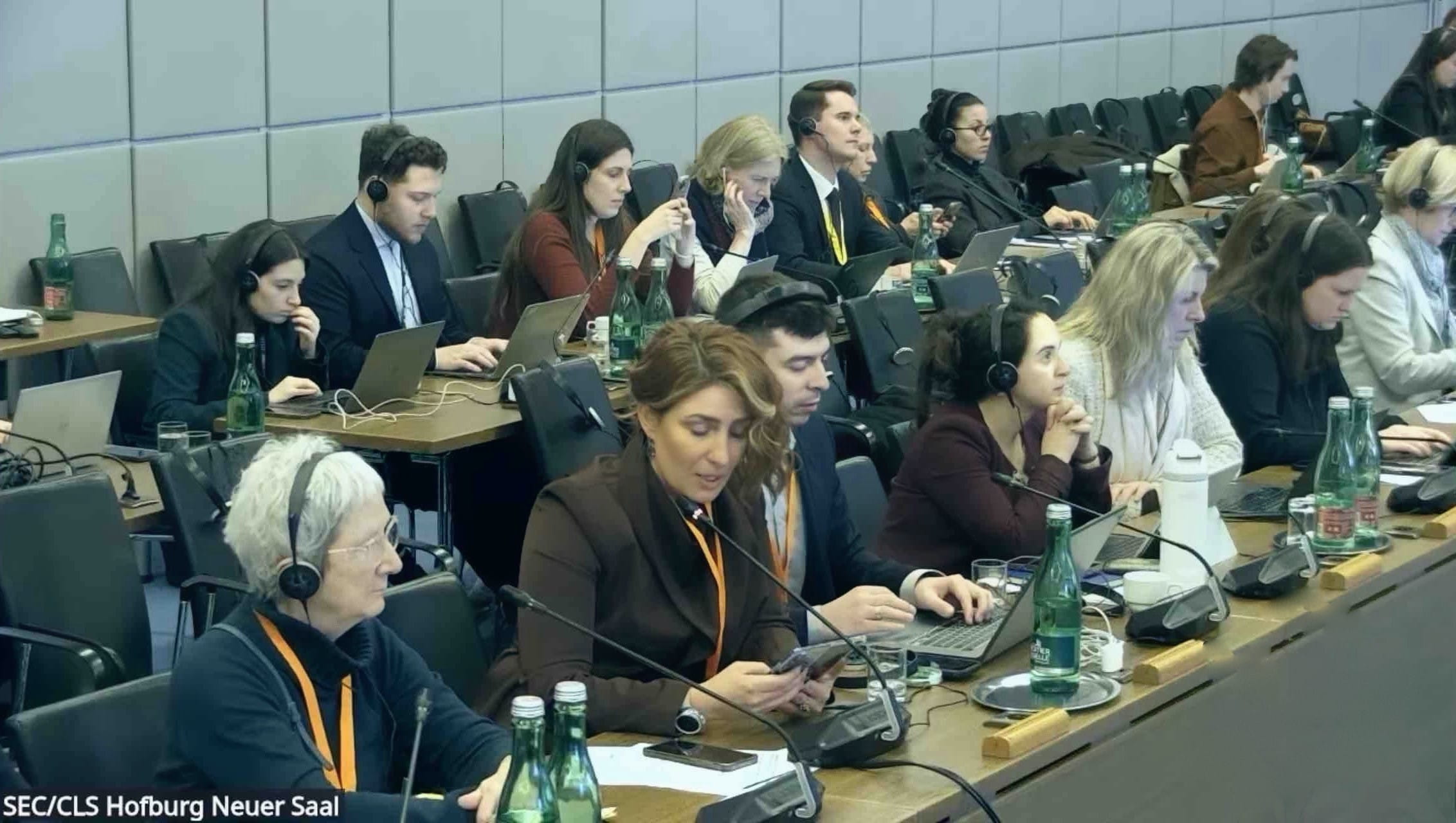
She highlighted that democratic deterioration often begins before restrictive measures are formally adopted, at the stage when prolonged information pressure shapes public perception.
She further noted that when disinformation campaigns systematically precede restrictions on rights and freedoms, such practices may constitute a form of information terrorism aimed at reshaping democratic space through psychological and institutional pressure.
Jevgenija raised the question of whether judicial oversight should develop clearer standards to identify cases in which stigmatizing information campaigns may affect the legitimacy of restrictions imposed on civil society actors.
The participation of the ALLATRA International Public Movement in the OSCE conference reaffirmed the importance of continued international dialogue on the relationship between hybrid threats, democratic lawmaking, freedom of expression, and the protection of fundamental rights.
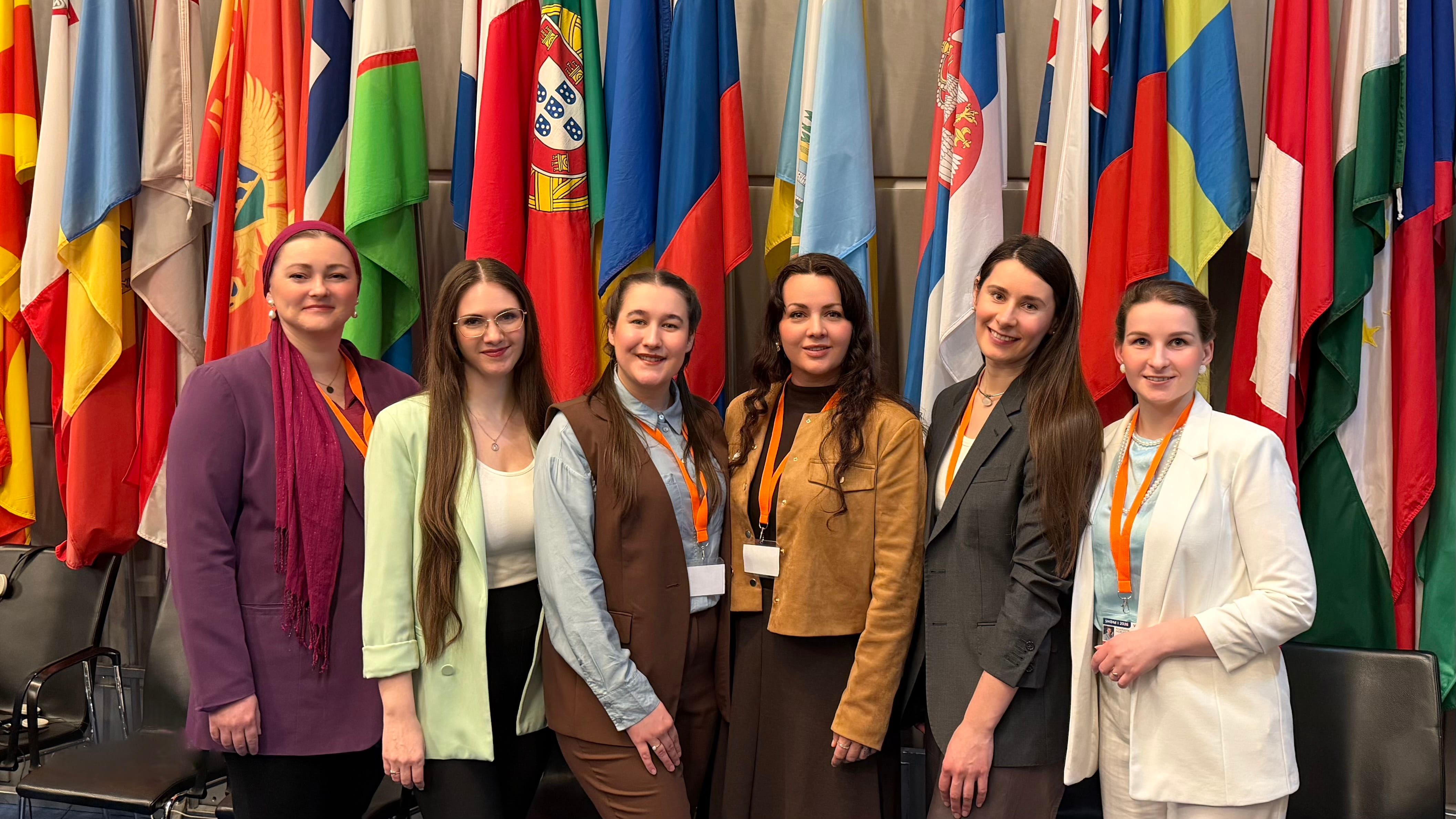
Participants of the ALLATRA delegation also actively engaged with other attendees of the meeting, including diplomats, policymakers, and NGO representatives, exchanging perspectives and contributing to professional dialogue throughout the event. These interactions provided an opportunity to establish new connections, discuss shared challenges, and strengthen international cooperation in addressing emerging threats to democratic institutions.
The discussions in Vienna during OCSE highlighted the need for increased awareness of how coordinated anti-cult narratives may influence democratic systems and underscored the importance of safeguarding democratic institutions and legal processes from information-based pressure.
About ALLATRA
ALLATRA is an international organization with a research center in the United States (ALLATRA Global Research Center), engaged in the comprehensive analysis of climate and environmental changes, the study of the impact of micro- and nanoplastics, and the promotion of intercultural cooperation and the protection of fundamental human rights and freedoms.
In recognition of its commitment to environmental protection and preservation of creation, ALLATRA received an Apostolic Blessing from His Holiness Pope Francis in 2024. In 2025, His Holiness Pope Leo XIV likewise bestowed an Apostolic Blessing upon the President of ALLATRA and all its volunteers.
For media inquiries, please email us at [email protected]