

ALLATRA New York Hosts Community Event on the Impact of Micro- and Nanoplastics on Animals and Nature
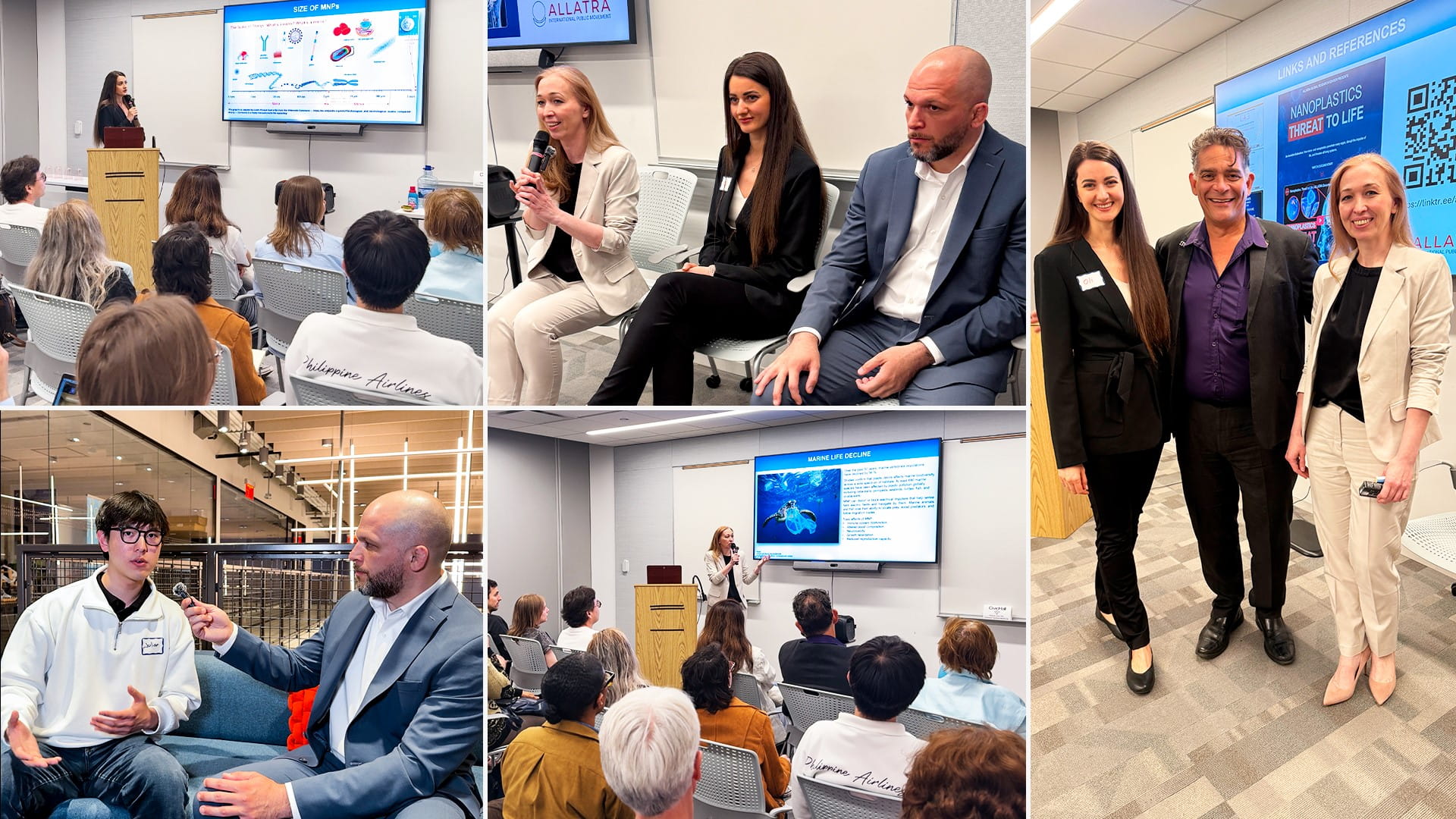
New York, April 23, 2026 - ALLATRA New York, in partnership with the ALLATRA Global Research Center, hosted a free community event at Civic Hall that brought together New York City residents for an evening of science, networking, and open discussion. Speakers presented recent research on how micro- and nanoplastics are affecting the living world around us - from ocean ecosystems and forests to migratory birds and the pets in our homes. The presentation drew from the documentary Nanoplastics: A Threat to Life and the report Nanoplastics: A Systematic Risk Analysis for Human Health, Ecosystems, and the Environment, released by the ALLATRA Global Research Center, as well as additional scientific studies.
What Is Plastic - and Why Does It Never Truly Disappear?
“Imagine a substance so pervasive, so durable, that it has been found in the deepest place on Earth - the Mariana Trench, nearly 7 miles below sea level - and at the highest point on Earth, the summit of Mount Everest. Imagine a substance that has crossed every ocean current, every mountain range, every biological barrier. That substance is plastic.” With these words, Oli Kotyk, a representative of the ALLATRA Civic Platform, opened the presentation by inviting the audience to look more closely at something most people interact with every day without a second thought.
A table filled with plastic objects of every kind served as the starting point for the discussion - transparent and opaque, rigid and soft, durable and brittle. Plastic, she explained, is not a single material but a broad category of synthetic polymers manufactured using thousands of different chemical additives. Yet nearly all plastics share one defining characteristic: persistence. According to the EPA, nearly every piece of plastic ever produced still exists somewhere on the planet, only in a different form.
She then turned to the scale and consequences of that persistence: “From a single gram of plastic, fragmentation can ultimately produce more than one quadrillion nanoplastic particles, that is a number with fifteen zeros. And once those particles are dispersed into soil, water, and air, there is currently no known way to retrieve them.”
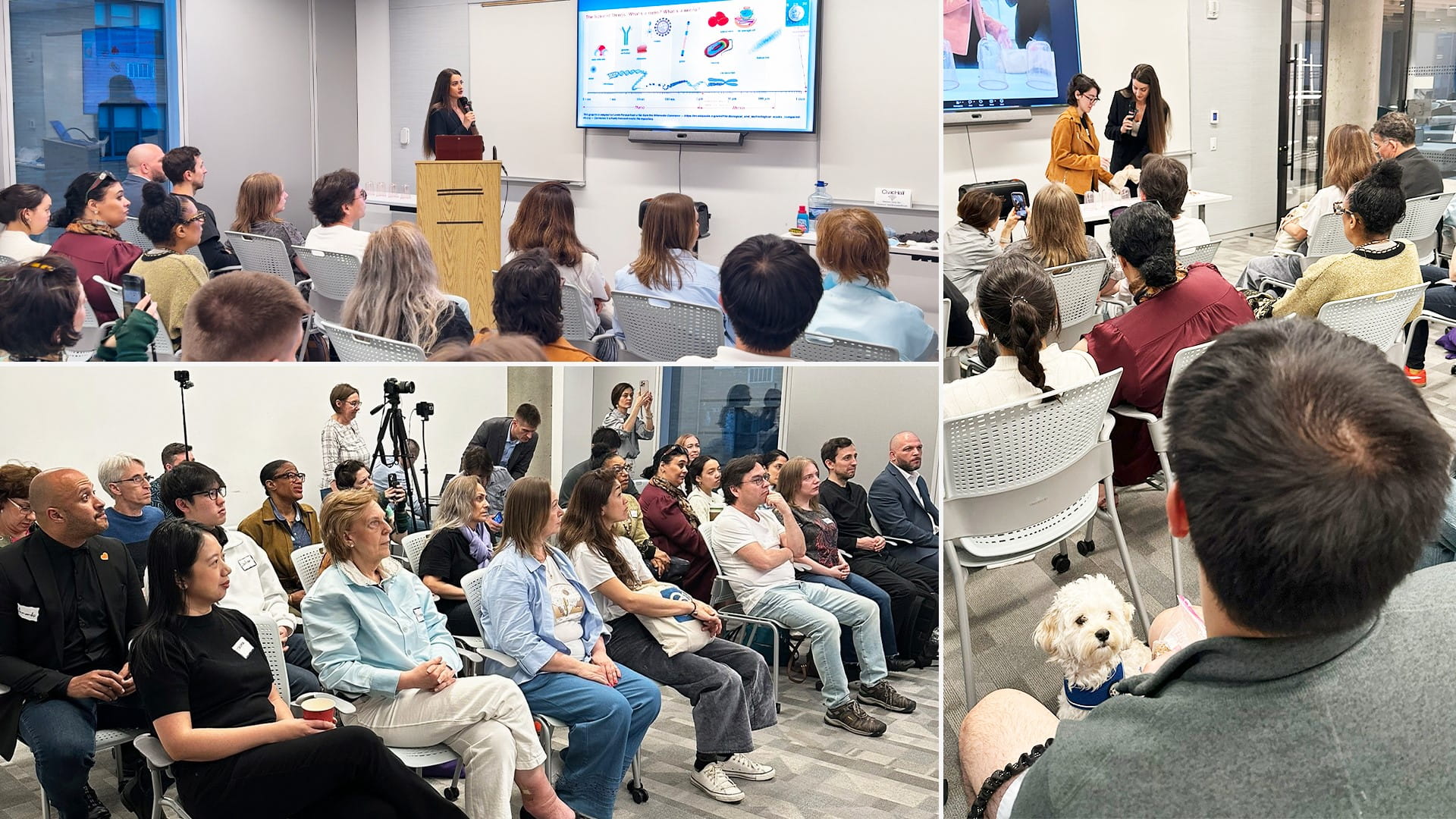
Oli Kotyk, a representative of ALLATRA Civic Platform, speaking during ALLATRA-hosted event in Manhattan, New York, "Micro- and Nanoplastics: Impact on Animals and Nature"
To make the issue more tangible, Oli invited a volunteer from the audience to the front of the room for a live demonstration. Four objects, a copper rod, a strip of magnesium, a needle, and a wooden match, were suspended by strings inside glass cups. A volunteer was asked to bring a wooden stick, then a pair of scissors, and finally a plastic straw close to the suspended objects. None of the objects moved.
The objects were then rubbed against a piece of wool and brought close again - still nothing. But when the plastic straw was rubbed with the wool and brought near the suspended objects, all four were drawn toward it. The audience immediately recognized the effect: the plastic had acquired an electrostatic charge, the same property, Oli explained, that may help nanoplastic particles interact with living cells and interfere with the electrical processes fundamental to life.
The Natural World Under Pressure
Dr. Anastasiya Pashigreva, a scientist and representative of the ALLATRA Global Research Center, presented research on biological impacts, covering the effects of micro- and nanoplastics on ocean ecosystems, wildlife, insects, farm animals, and pets in our homes.
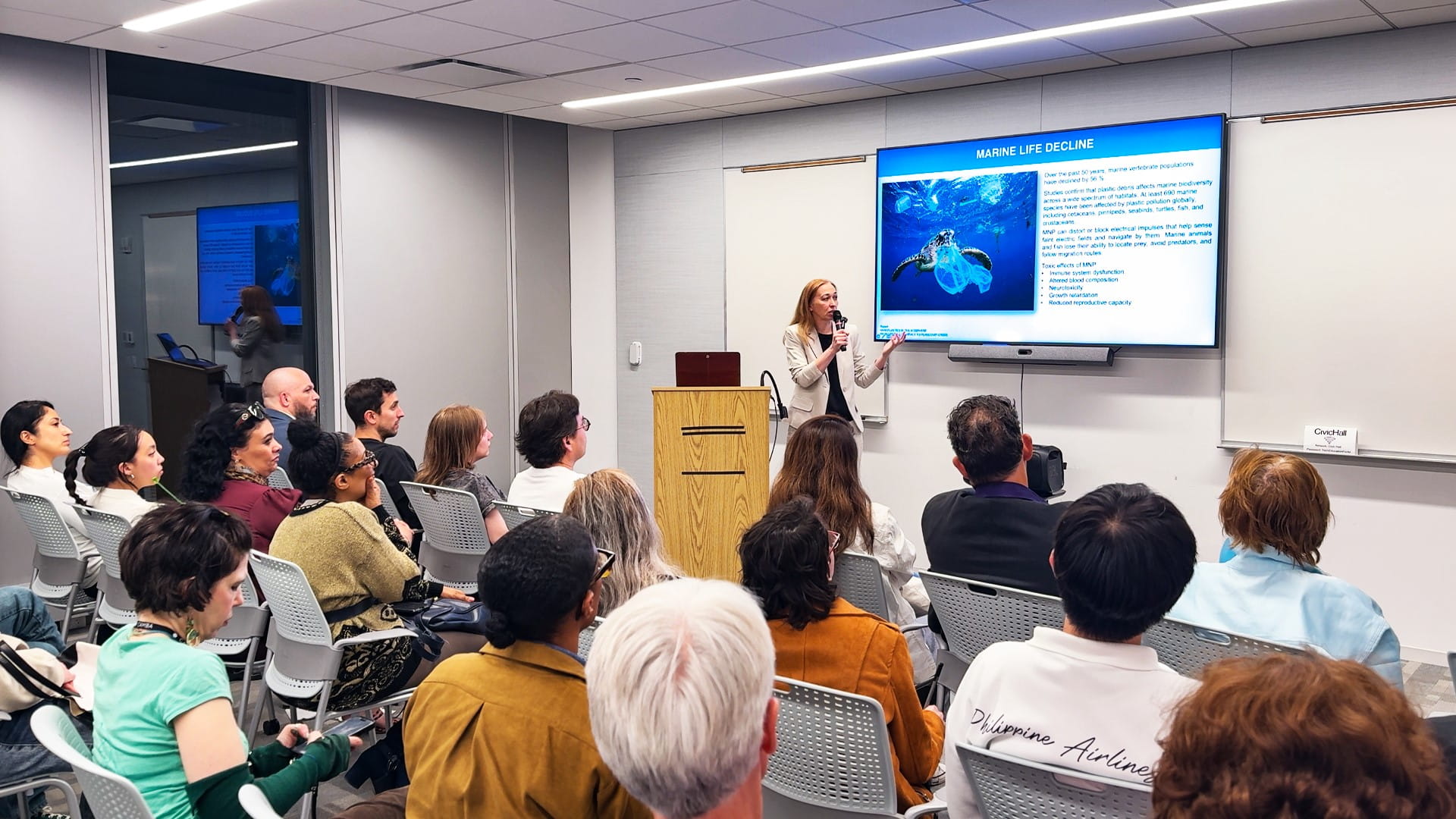
Dr. Anastasiya Pashigreva, a scientist of ALLATRA Global Research Center, speaking during ALLATRA-hosted event in Manhattan, New York, “Micro- and Nanoplastics. Impact on Animals and Nature"
She began with the ocean, the foundation of the marine food chain and a major entry point for nanoplastics into living systems. Zooplankton, Dr. Pashigreva explained, cannot distinguish microplastic particles from their natural food because the particles can resemble phytoplankton in size, shape, and even chemical signals.
She then highlighted a 2023 study from the University of Massachusetts Amherst and Ocean University of China showing that rotifers physically break down microplastics and excrete them as nanoplastics, with each organism capable of producing up to 366,000 nanoparticles per day. “We are not dealing with a static pollution problem,” Dr. Pashigreva noted. “We are dealing with a self-amplifying one.”
The contamination then moves rapidly up the food chain. Microplastics have been found in up to 96% of sardines sampled and more than 90% of anchovies examined, as well as in the gastrointestinal tract and gills of 88% of fish analyzed.
The effects on bird populations were equally alarming. In North America alone, approximately 3 billion birds have disappeared over the past 50 years, nearly a quarter of the continent’s bird population. Dr. Pashigreva described one case that illustrated the scale of the crisis: “A total of 403 pieces of plastic were extracted from the stomach of a 90-day-old flesh-footed shearwater chick. The bird had never flown or gone out to sea. It was killed by plastic its parents, mistaking it for fish, had fed it since hatching.”
Pollinators are also under growing pressure. Bee populations in Europe and the United States have declined by more than 30% since the mid-20th century. Their decline represents one of the most consequential ecological shifts in modern history, as bees pollinate approximately 75% of agricultural crops and 90% of wild flowering plants.
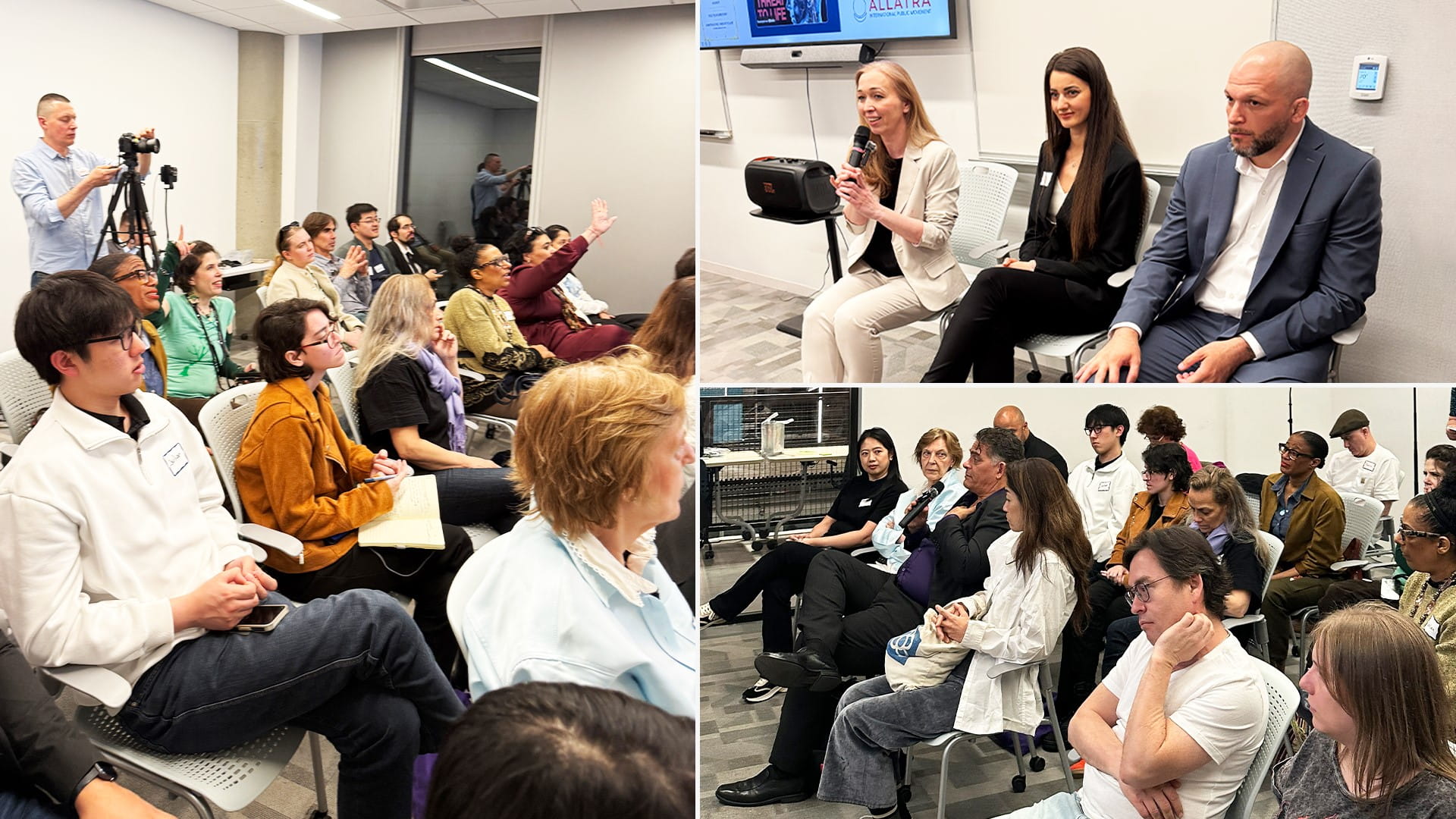
Q&A section during ALLATRA-hosted event in Manhattan, New York, “Micro- and Nanoplastics. Impact on Animals and Nature"
Dr. Pashigreva explained that nanoplastic particles can enter a bee’s body through the cuticle and reach the brain within three days, causing measurable impairments in memory, spatial orientation, and navigation. “When bees cannot navigate, cannot remember where they foraged, cannot find their way home - we do not just lose bees. We lose the foundation of our food system,” she added.
For many in attendance, the most personal dimension of the evening concerned pets in our homes. Microplastics have been found in the organs of more than 70% of cats and dogs examined, while pet food tested in the United States showed significant plastic contamination across both cat and dog food products.
“Your pet may be among the most exposed living creatures on Earth,” Dr. Pashigreva noted. “They are, in a very real sense, an early warning system. When we see rising rates of thyroid disease, cancer, and reproductive problems in pets, we should be asking what their bodies are trying to tell us.”
She left the audience with a reflection that resonated throughout the room: “The animals cannot advocate for themselves. Bees losing their ability to navigate home cannot tell us what is happening to them. The shearwater chick filled with plastic cannot testify before a legislature. But we know. And knowing, we are responsible.”
Current Solutions - and Their Limits
Steven Kasten, a speaker from the ALLATRA Civic Platform, addressed the limitations of some of the most widely proposed solutions to plastic pollution. For example, recycling, often presented as a central solution, may in some cases accelerate fragmentation rather than prevent it. “We cannot recycle our way out of this problem,” Kasten said. “Mechanical recycling subjects plastic to the very stresses - heat, friction, and shear - that drive fragmentation. Recycled plastics can shed microparticles more readily than virgin plastic, while the recycling process itself may generate additional nanoplastics.”
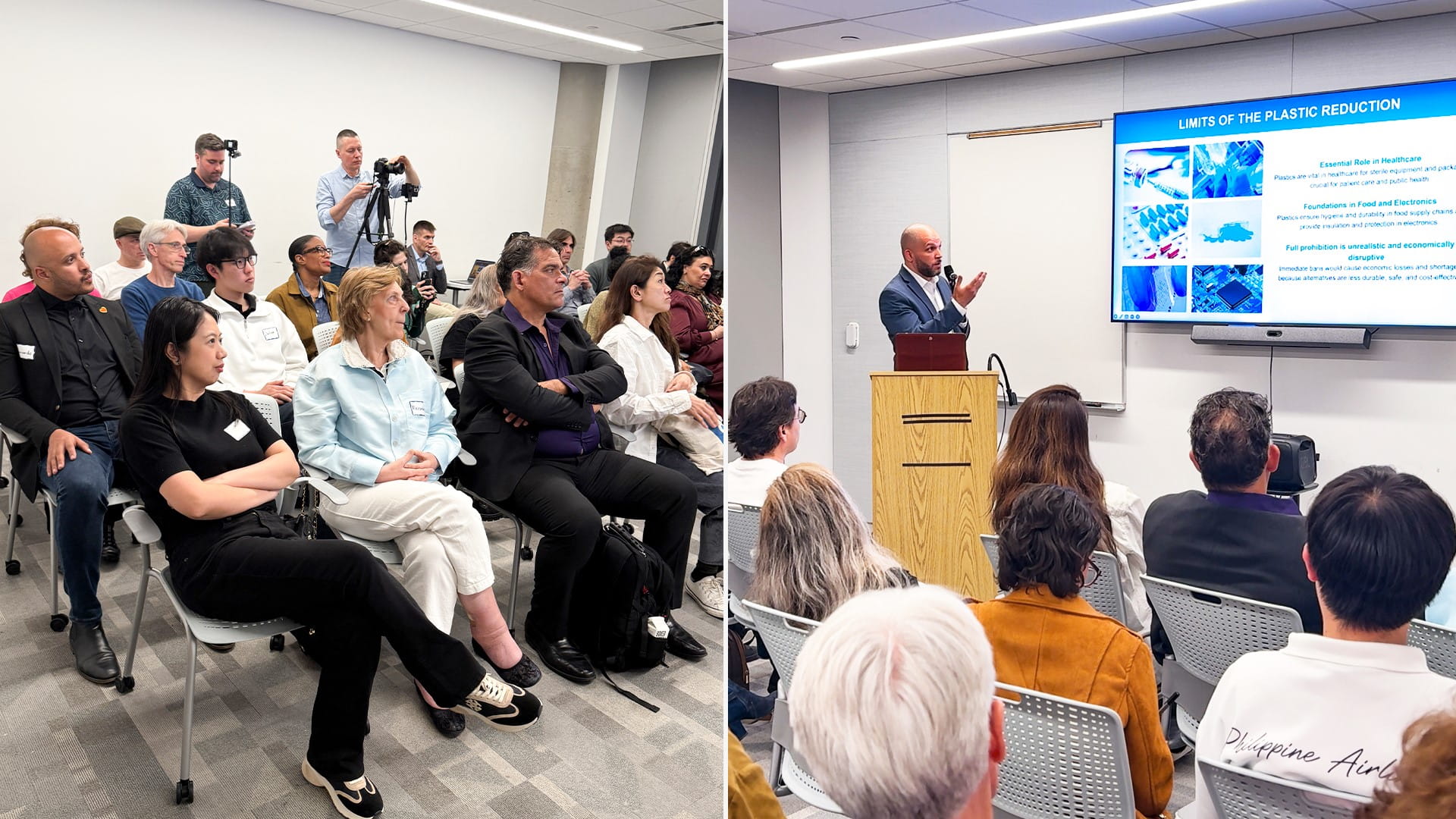
Steven Kasten, a representative of ALLATRA Civic Platform, speaking during ALLATRA-hosted event in Manhattan, New York, “Micro- and Nanoplastics. Impact on Animals and Nature"
Ocean cleanup efforts face a similar paradox. With an estimated 200 million tons of plastic already in the ocean and cleanup efforts removing only about 20,000 tons per year, less than 0.01% is removed annually. Many cleanup systems operate in surface waters where plankton, fish eggs, and larvae are highly concentrated, raising concerns that marine organisms may also be unintentionally captured or disturbed in the process. This is particularly important because plankton form the foundation of marine ecosystems and are also responsible for producing more than 50% of the Earth’s oxygen.
On an encouraging note, Steve highlighted the recent launch of the U.S. Department of Health and Human Services STOMP program, Systematic Targeting of Microplastics, announced on April 2, 2026. The initiative will invest $144 million over five years to study the accumulation, biological effects, and potential removal of micro- and nanoplastics in the human body.
“This is an important step in the right direction,” he said, “but it is only the beginning.” Steve emphasized that addressing the micro- and nanoplastics crisis will require both a coordinated global scientific effort and a fundamental rethinking of how quickly solutions can be developed and implemented. Standard FDA drug approval timelines, for example, can take 10 to 15 years - a pace that ecosystems already under growing stress may not be able to withstand.
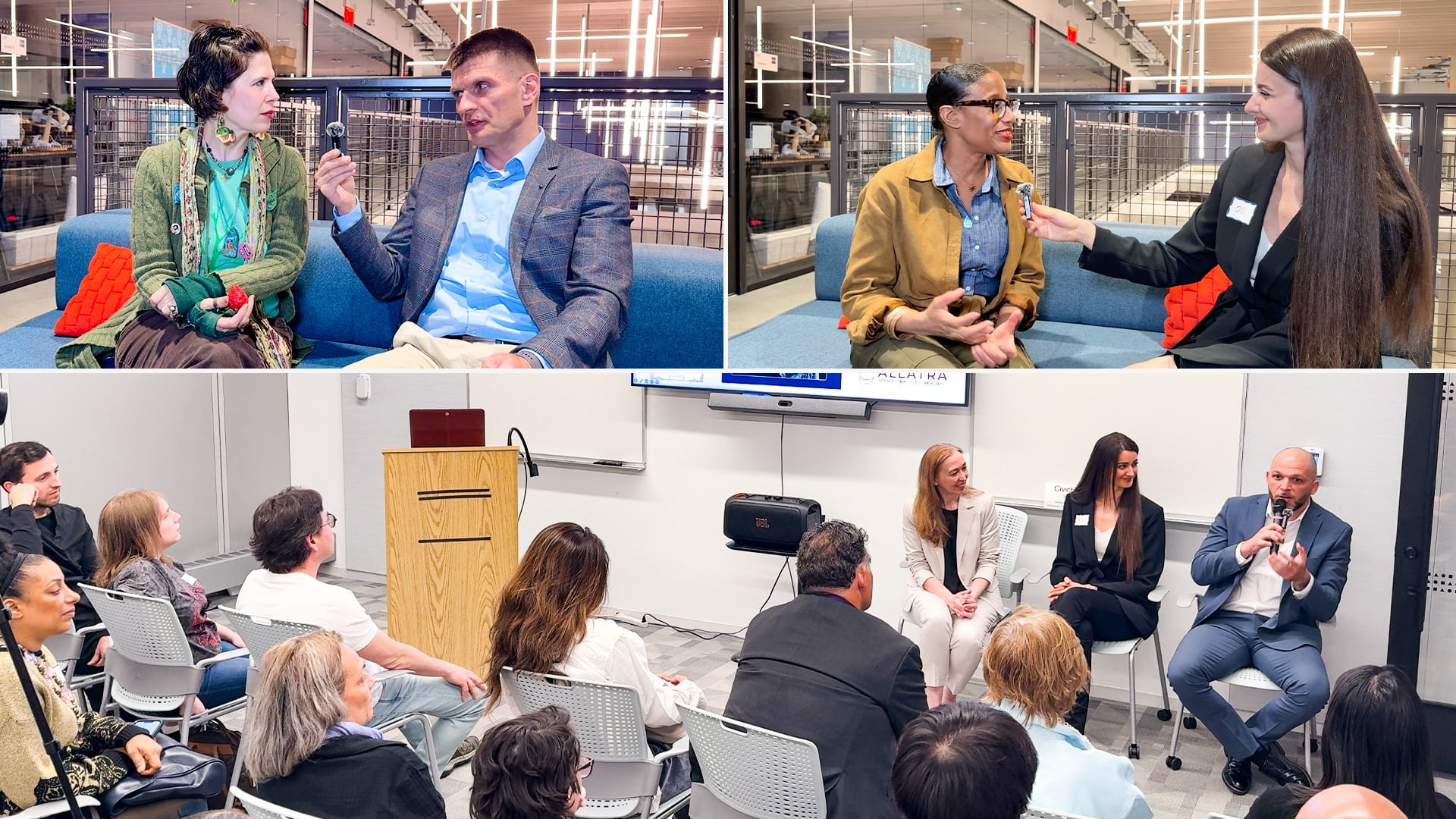
Q&A and networking at ALLATRA-hosted event in Manhattan, New York, "Micro- and Nanoplastics: Impact on Animals and Nature"
Dr. Pashigreva closed with a challenge for everyone in the room: “The question at the end of this presentation is not rhetorical. It may be one of the most urgent scientific and policy questions of our time: What can we do? We can begin by deciding that this issue matters enough to understand, and urgent enough to act on.”
The Question That Stayed with the Audience
The evening concluded with an extended and highly engaged Q&A session. The final question came from Julian Flores, a senior student at Fordham University, who asked the speakers how they would explain the importance of the micro- and nanoplastics crisis to a six-year-old child in a way they could truly understand.
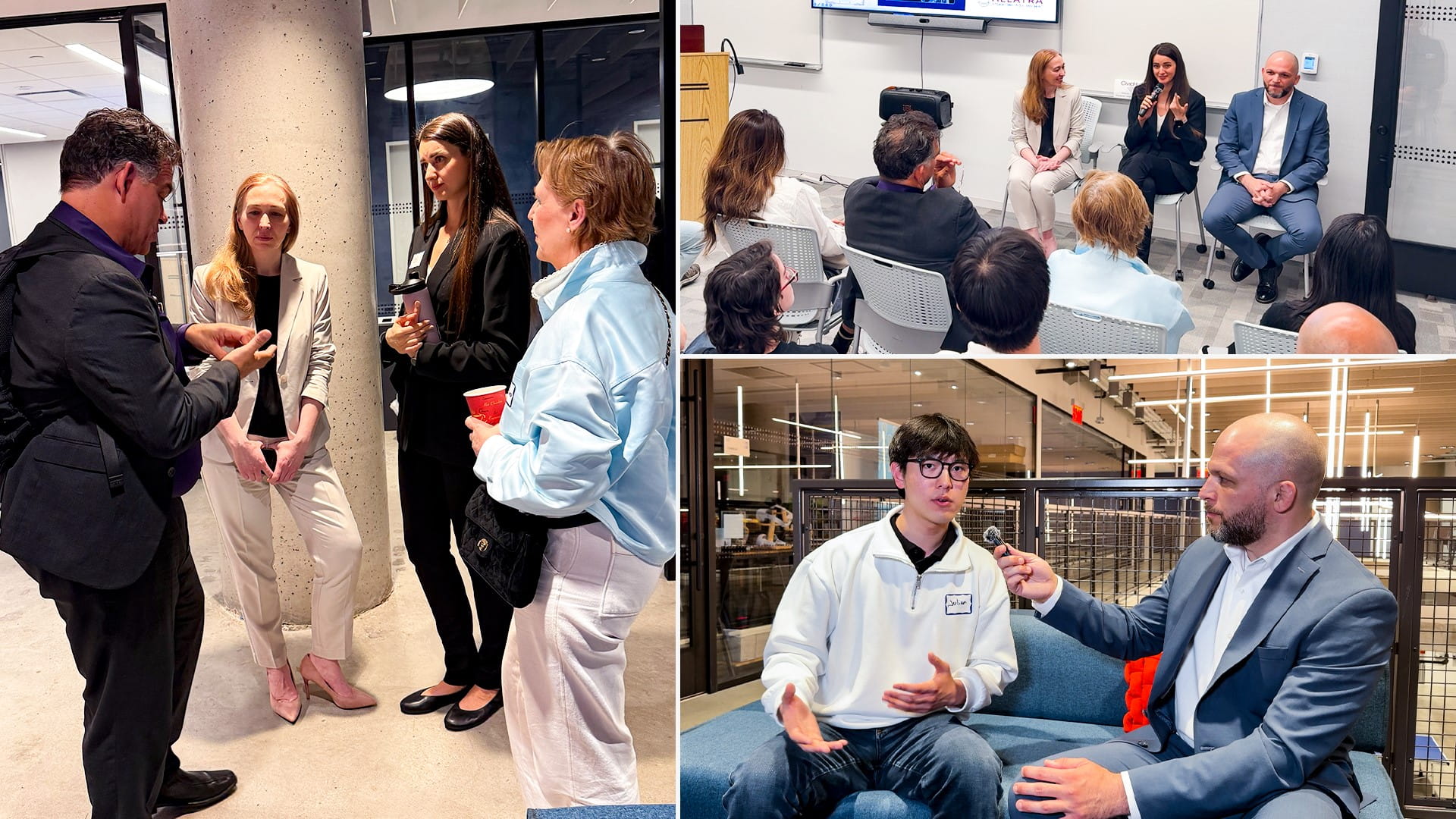
Q&A and networking at ALLATRA-hosted event in Manhattan, New York, "Micro- and Nanoplastics: Impact on Animals and Nature"
Reflecting afterward, Julian said he was moved by the reminder that many of the things people love today may disappear tomorrow because of plastic pollution - and that for children, what we do matters more than what we say. The example adults set, he felt, may ultimately communicate more than any explanation could.
Randy Baicich, a content creator focused on ocean health who attended the event to film content for his channels, said the evening broadened his perspective on the wider ecological impacts of plastic pollution.
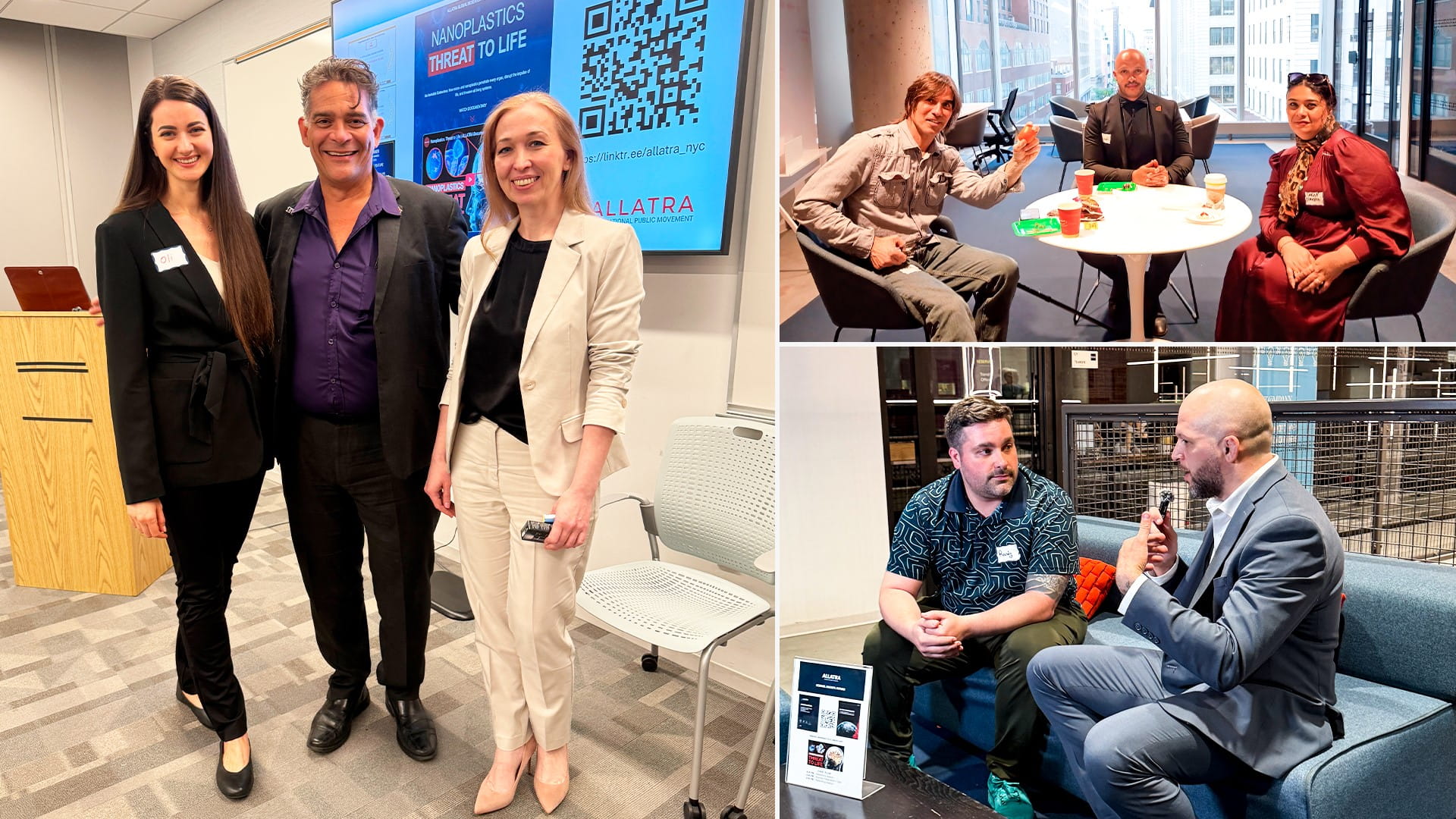
Networking at ALLATRA-hosted event in Manhattan, New York, "Micro- and Nanoplastics: Impact on Animals and Nature"
“Most of my work centers on the ocean, so learning other fields today was pretty eye opening. Talking about the forest and how it's interconnected, how birds are affected, things like the bees and how it all kind of interconnects was very mind blowing to hear live in person from somebody deep in that research."
The economic dimension of the bee crisis was the detail that stayed with him most: "It's a $500 billion impact on our economy if bees suffer, and that's something I wouldn't even think about on a day to day basis."
Johann Hochtialik, who traveled to New York City from the Caribbean island nation of Grenada to present at the UN, spoke about the issue with a clear sense of urgency.

Networking at ALLATRA-hosted event in Manhattan, New York, "Micro- and Nanoplastics: Impact on Animals and Nature"
"The challenge that we globally have with microplastics and nanoplastics is the need to find solutions urgently." He described the gap between what science knows and what the public understands as one of the most pressing obstacles: "The science is not getting out there as yet, in the ways that we need to get it out there so that the world wakes up and smells the coffee."
The evening left him with a sense of possibility: "First step to anything is awareness. You have a problem, it's awareness. And then afterwards, the solution is going to come with it."
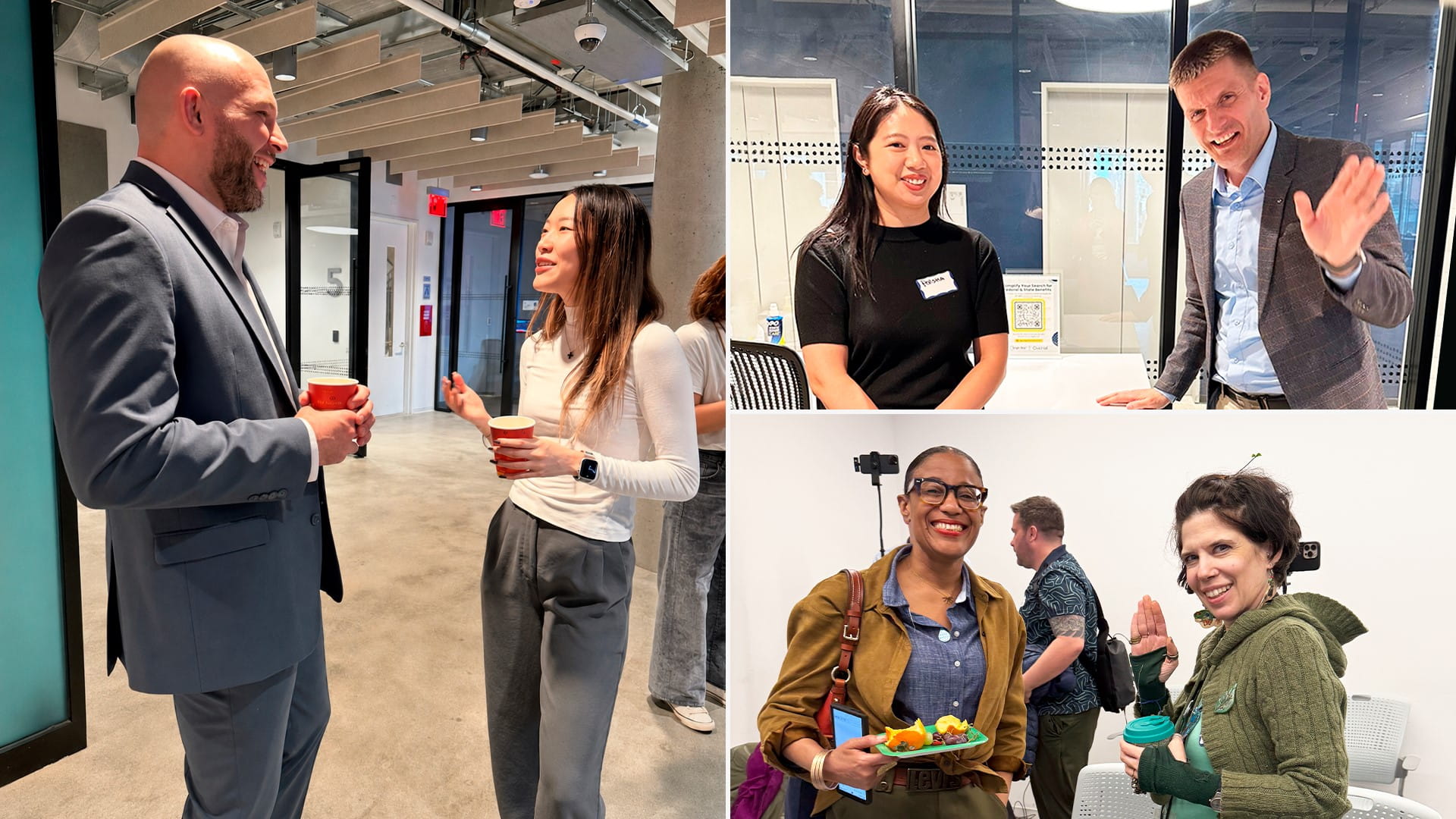
Networking at ALLATRA-hosted event in Manhattan, New York, "Micro- and Nanoplastics: Impact on Animals and Nature"
ALLATRA extends its sincere gratitude to Civic Hall for hosting and co-organizing this event. Their continued support for dialogue on environmental and public health issues reflects a strong commitment to civic engagement and community well-being.
About Civic Hall
Civic Hall is a state-of-the-art institution anchoring Union Square in New York. It was founded with a simple idea: to connect us for life's richest opportunities in growth, collaboration, and celebration.
Today, Civic Hall is driven by purpose - unlocking the power of possible in a forum as diverse as the city that it centers. From serving as the home to educational programs and startup companies, to hosting art shows and wedding receptions, no ambition is too bold.
About ALLATRA
ALLATRA is an international organization with a research center in the United States (ALLATRA Global Research Center), engaged in the comprehensive analysis of climate and environmental changes, the study of the impact of micro- and nanoplastics, and the promotion of intercultural cooperation and the protection of fundamental human rights and freedoms.
In recognition of its commitment to environmental protection and preservation of creation, ALLATRA received an Apostolic Blessing from His Holiness Pope Francis in 2024. In 2025, His Holiness Pope Leo XIV likewise bestowed an Apostolic Blessing upon the President of ALLATRA and all its volunteers.
For media inquiries, please email us at [email protected]