

ALLATRA GLOBAL RESEARCH CENTER PREZENTUJE
NANOPLASTIK
ZAGROŻENIE
DLA ŻYCIA
Niewidzialne wymieranie: jak mikro- i nanoplastik przenika do każdego narządu, zaburza procesy życiowe i zagraża wszystkim systemom życia.
OBEJRZYJ FILM DOKUMENTALNY

Nagrody
Nagrody zdobyte przez film „Nanoplastik. Zagrożenie dla życia”
na międzynarodowych festiwalach filmowych









O filmie dokumentalnym
Ten oparty na badaniach film dokumentalny, przygotowany przez ALLATRA Global Research Center, łączy globalne dowody naukowe dotyczące oddziaływania mikro- i nanoplastiku oraz przedstawia je w przystępnym, popularnonaukowym formacie.

Film ukazuje, jak mikro- i nanoplastik przeniknął do każdego zakątka planety oraz do wszystkich narządów ludzkiego organizmu, w tym do mózgu, serca i układu krwionośnego, a także jak ingeruje w same procesy powstawania życia.

To badanie ujawnia, w jaki sposób nanoplastik posiadający ładunek elektrostatyczny zaburza komunikację międzykomórkową, przyspiesza procesy starzenia, sprzyja rozwojowi nowotworów, osłabia układ odpornościowy, niszczy zdrowie reprodukcyjne oraz destabilizuje całą biosferę.
Film ten, stworzony we współpracy ze światowej sławy naukowcami, po raz pierwszy bada i ukazuje pełne spektrum zagrożeń związanych z mikro- i nanoplastikiem, ujawniając rzeczywistą skalę niebezpieczeństwa, jakie cząstki te stanowią dla obecnych i przyszłych pokoleń.
Wizualizacja szkód powodowanych przez nanoplastik
The film features original scientific animations that visualize the mechanisms discussed in scientific literature regarding the potential impact of nanoplastics on cellular processes, including their possible interaction with ion channels, mitochondria, neurotransmitter systems, and DNA.

Film zawiera unikatowe animacje naukowe, które obrazują, w jaki sposób nanoplastik na poziomie molekularnym zakłóca funkcjonowanie komórek, kanałów jonowych, mitochondriów, neuroprzekaźników oraz DNA.
Z filmu „Nanoplastik. Zagrożenie dla życia”
Wiodący eksperci
Głosy nauki

Sarju Ganatra, prof. dr n. med. (USA)
Kardioonkolog; dyrektor programu kardioonkologii; dyrektor medyczny ds. zrównoważonego rozwoju w Lahey Hospital & Medical Center; założyciel Sustain Health Solutions.

Lukas Kenner, prof. dr n. med. (Austria)
Patolog i badacz chorób nowotworowych, Uniwersytet Medyczny w Wiedniu; dyrektor Instytutu Zastosowanej Metabolomiki im. Christiana Dopplera; dyrektor naukowy projektu microONE.

Antonio Ragusa, prof. dr n. med. (Włochy)
Lekarz ginekolog-położnik; kierownik oddziału położnictwa i ginekologii w szpitalu Fatebenefratelli
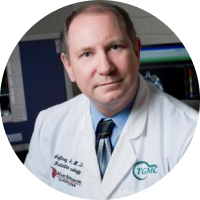
Jeffrey P. Long,
dr n. med. (USA)
Lekarz onkolog radioterapeuta; ekspert w zakresie wpływu czynników środowiskowych na zdrowie człowieka.

Valeriy A. Etkin, prof. dr hab. inż. (Izrael)
Założyciel i dyrektor Instytutu Studiów Integracyjnych; członek Europejskiej Akademii Nauk Przyrodniczych; ekspert i lider badań w dziedzinie termokinetyki, termodynamiki, bioenergetyki oraz fizyki.

Dušan Materic, dr (Niemcy)
Naukowiec w dziedzinie analityki środowiskowej; kierownik zespołu badań nad mikroplastikiem, nanoplastikiem oraz analizą pierwiastków w Centrum Badań Środowiskowych im. Helmholtza.

Elke Ludewig, dr (Austria)
Kierowniczka Obserwatorium Sonnblick; kierowniczka Europejskiego Centrum Porównawczych Badań Środowiska Chmurowego (ECCINT); ekspertka w dziedzinie badań środowiskowych i klimatycznych.

Paul D’Abzac,
prof. dr (Boliwia)
Chemik wód i mikrobiolog na Katolickim Uniwersytecie Boliwii; koordynator Centrum Badań Nauk Ścisłych i Inżynierii (CICEI); główny naukowiec projektów zintegrowanego zarządzania zasobami wodnymi; ekspert w zakresie właściwości wody, dynamiki zanieczyszczeń oraz oddziaływań środowiskowych.

Paul D’Abzac,
prof. dr (Boliwia)
Chemik wód i mikrobiolog na Katolickim Uniwersytecie Boliwii; koordynator Centrum Badań Nauk Ścisłych i Inżynierii (CICEI); główny naukowiec projektów zintegrowanego zarządzania zasobami wodnymi; ekspert w zakresie właściwości wody, dynamiki zanieczyszczeń oraz oddziaływań środowiskowych.

David Baracchi,
prof. dr (Włochy)
Profesor zoologii i etologii na Uniwersytecie Florenckim; kierownik Laboratorium Ekologii Poznawczej i Behawioralnej (BeeLab); pionier eksperymentalnych badań nad wpływem mikroplastiku na zdrowie pszczół, ich zdolności poznawcze oraz zachowania społeczne.
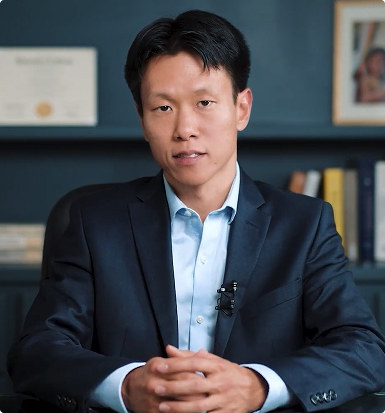
Prowadzący film
John Ahn, dr (USA)
PhD, MBA
Globalne Centrum Badawcze ALLATRA — Rada Naukowo-Doradcza
i Badawcza
 MBA — INSEAD, Francja, 2017
 PhD w dziedzinie inżynierii chemicznej — Technische Universität München, Niemcy, 2013
MS w dziedzinie inżynierii chemicznej — University of California, Berkeley,
USA, 2008
BSc w dziedzinie inżynierii chemicznej — Pennsylvania State University,
USA, 2006
John Ahn, PhD, MBA, jest uznanym ekspertem, specjalizującym się w budowaniu pomostów między przełomowymi badaniami naukowymi a ich praktycznym, komercyjnym zastosowaniem. Dzięki interdyscyplinarnej wiedzy z zakresu chemii, nauk o życiu, inżynierii oraz rozwoju przedsięwzięć innowacyjnych dr Ahn wspiera wdrażanie zrównoważonych innowacji, przekładając wczesne odkrycia naukowe na skalowalne technologie odpowiadające na najpilniejsze globalne wyzwania.
Wkraczamy w przełomowy moment w rozumieniu problemu nanoplastiku. Choć nadal bywa on szeroko pomijany, narastające dowody naukowe wskazują, że może to być jeden z najbardziej doniosłych kryzysów środowiskowych i zdrowia publicznego naszych czasów. Poprzez ten film mam nadzieję ukazać rzeczywistą skalę szkód powodowanych przez nanoplastik, podkreślić dorobek wiodących naukowców, przyczynić się do konstruktywnego globalnego dialogu oraz zainspirować wspólne działania na rzecz ochrony przyszłych pokoleń.
John Ahn, dr
Czym jest nanoplastik?
Nanoplastik to cząstki plastiku o rozmiarze mniejszym niż 1 mikrometr — około 1/1000 grubości ludzkiego włosa. Te nanocząstki powstają w wyniku rozpadu większych tworzyw sztucznych lub są wytwarzane bezpośrednio w skali mikroskopowej.

Nanoplastik jest zdolny do przekraczania barier biologicznych, w tym tak złożonych, jak bariera krew–mózg oraz bariera łożyskowa.

Występuje w wodzie butelkowanej, owocach morza, soli, a nawet w powietrzu, którym oddychamy.
Kluczowe tematy poruszane w filmie
dla zdrowia
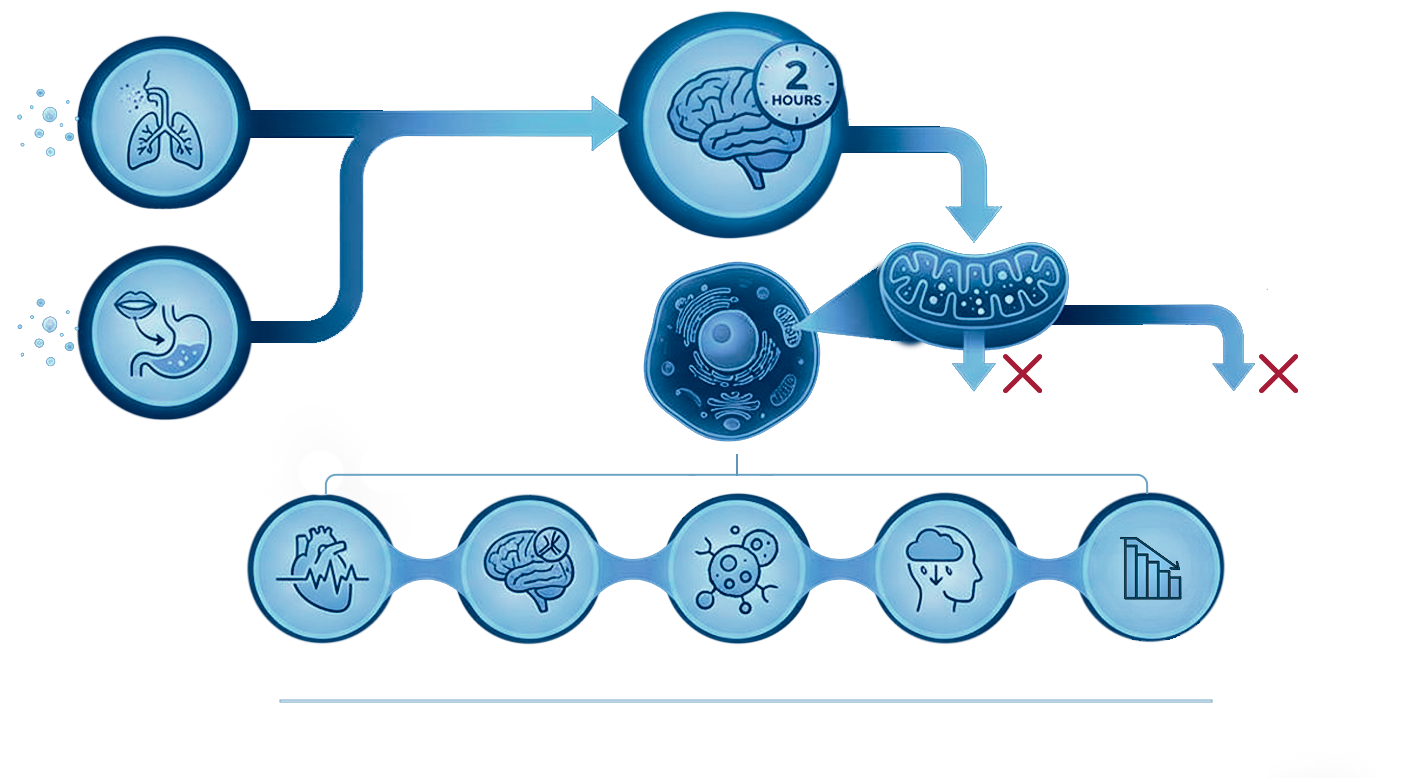
Nanoplastik przenika do wszystkich narządów, układów i komórek organizmu, uszkadzając mitochondria, wywołując przewlekły stan zapalny, stres oksydacyjny oraz prowokując mutacje DNA. Wszystko to może przyspieszać rozwój chorób nowotworowych, sercowo-naczyniowych i autoimmunologicznych, niepłodności oraz chorób neurodegeneracyjnych. Łącznie zjawiska te mogą doprowadzić ludzkość do kryzysu zdrowotnego, który będzie wyprzedzał możliwości współczesnej medycyny.
skażenie
Mikro- i nanoplastik nieustannie przenikają wszędzie: do gleby, wody, powietrza oraz organizmów żywych, stając się już częścią łańcucha pokarmowego. Średnio człowiek spożywa wraz z żywnością około 250 g plastiku rocznie, a podczas zaledwie 2-godzinnego spaceru wdycha do 106 000 cząstek plastiku. Tak powszechna obecność oznacza, że mikro- i nanoplastik stanowią zagrożenie dla wszystkich form życia.
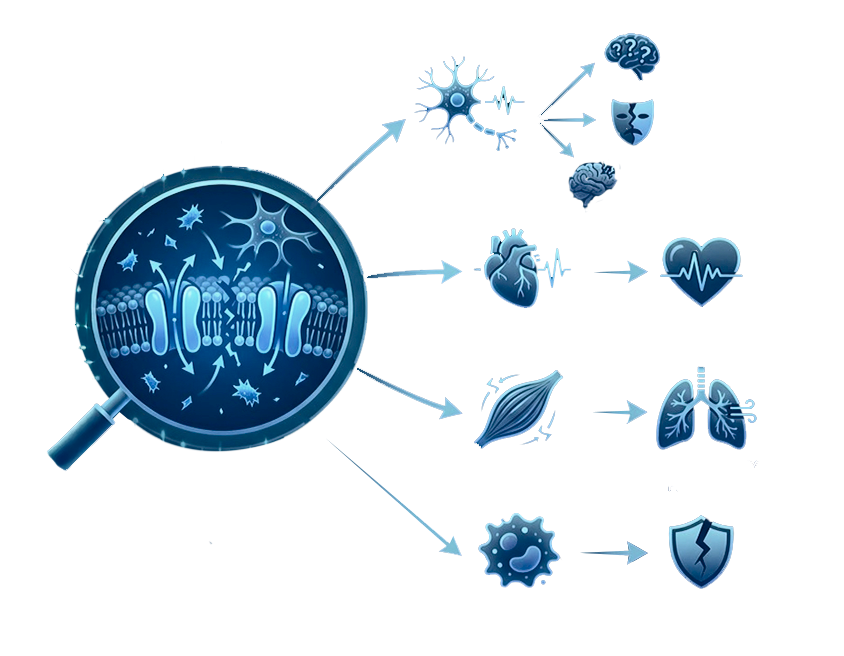
Nanoplastik omija bariery biologiczne (w tym barierę jelitową, barierę krew–mózg, barierę łożyskową i inne) oraz kumuluje się w mózgu, sercu, naczyniach krwionośnych, wątrobie, jądrach i jajnikach. Po wniknięciu do komórek zaburza funkcjonowanie kanałów jonowych, powoduje stres oksydacyjny, dysfunkcję mitochondriów oraz przewlekły stan zapalny, co wywiera systemowy wpływ na zdrowie reprodukcyjne, a także na układ nerwowy i sercowo-naczyniowy.
Nanoplastik gromadzi się i długotrwale utrzymuje na swojej powierzchni ładunek elektrostatyczny, który zniekształca sygnały elektryczne między komórkami, zmienia ich potencjał błonowy oraz zaburza funkcjonowanie kanałów jonowych i transport elektronów w mitochondriach. Tego rodzaju ingerencja prowadzi do arytmii serca, zaburzeń metabolicznych oraz pogorszenia funkcji poznawczych.
koordynacji
biologicznej
Elektrostatycznie naładowany nanoplastik zakłóca przewodzenie impulsów nerwowych, prowadząc do zaburzeń rytmu serca, skurczów mięśni, reakcji immunologicznych oraz metabolizmu. Skutkiem są arytmie, niewydolność oddechowa, zaburzenia poznawcze oraz przyspieszona neurodegeneracja.
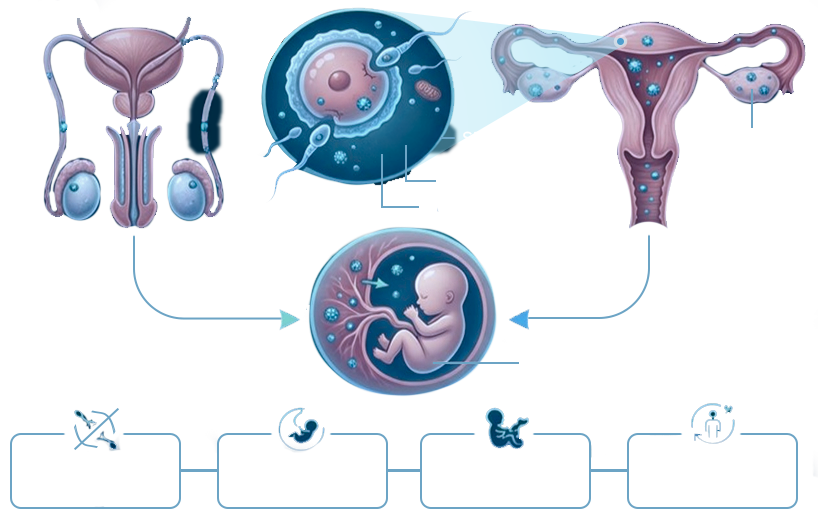
Nanoplastik przenika do narządów rozrodczych, uszkadzając plemniki i komórki jajowe, co prowadzi do niepłodności. Przekracza również barierę krew–łożysko, wywołując stres oksydacyjny i przewlekły stan zapalny. Może to skutkować poronieniami oraz nieprawidłowościami rozwoju płodu.
Gromadząc się w mózgu, nanoplastik modyfikuje aktywność neuronów, zaburza produkcję neuroprzekaźników, uszkadza mitochondria i wywołuje procesy zapalne. Sprzyja to rozwojowi chorób takich jak depresja, zaburzenia lękowe, ADHD, choroba Alzheimera i Parkinsona oraz padaczka. U młodszych pokoleń obserwuje się wcześniejszy początek tych schorzeń oraz obniżenie funkcji poznawczych.
Nanoplastik zaburza orientację zwierząt (ptaki), elektroreceptywność (ryby) oraz komunikację zapylaczy (pszczoły), a także uszkadza systemy korzeniowe roślin, utrudniając pobieranie składników odżywczych. Prowadzi to do degradacji ekosystemów i spadku liczebności populacji.
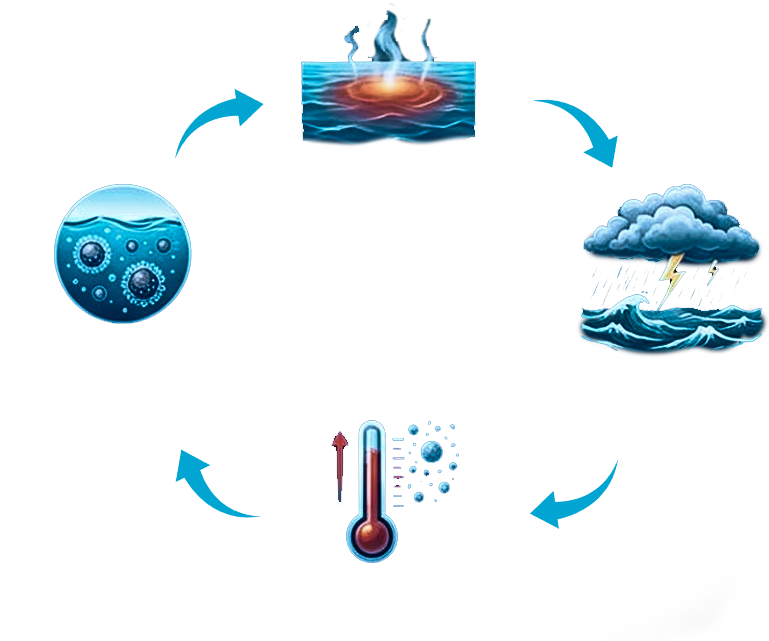
Nanoplastik obecny w atmosferze wpływa na formowanie chmur, opady i charakter sztormów, a zanieczyszczenie oceanów plastikiem przyspiesza ich ocieplanie. Działa on jako wcześniej nieuwzględniony czynnik klimatyczny, nasilający ekstremalne zjawiska pogodowe.
Skala zanieczyszczenia nanoplastikiem — od embrionów po całe ekosystemy — wymaga międzynarodowej współpracy naukowej w celu zmapowania skutków, ilościowej oceny narażenia oraz opracowania rozwiązań. Żadne pojedyncze państwo ani laboratorium nie są w stanie samodzielnie sprostać temu zagrożeniu.
O Globalnym Centrum Badawczym ALLATRA
Globalne Centrum Badawcze ALLATRA jest międzynarodowym ośrodkiem analityczno-badawczym (think tankiem), który podejmuje kluczowe wyzwania o skali planetarnej poprzez rzetelną analizę naukową, kompleksową ocenę ryzyk oraz opracowywanie rekomendacji politycznych opartych na dowodach naukowych.
Centrum prowadzi działalność w ramach uprawnień prawnych ALLATRA USA, organizacji non profit działającej zgodnie z sekcją 501(c)(3) Kodeksu Podatkowego Stanów Zjednoczonych, realizując interdyscyplinarne badania w takich obszarach jak dynamika klęsk żywiołowych, ryzyka klimatyczne i geofizyczne, wpływ mikro- i nanoplastiku na środowisko oraz zdrowie człowieka, a także globalne prawa człowieka i współpraca międzykulturowa.
Działalność Globalnego Centrum Badawczego ALLATRA łączy badania naukowe z wytycznymi strategicznymi i operacyjnymi, wspierając podejmowanie świadomych i opartych na wiedzy decyzji na poziomie globalnym.
Czytaj dalej