

ALLATRA Documentary “Nanoplastics. Threat to Life” Premieres in Bolivia
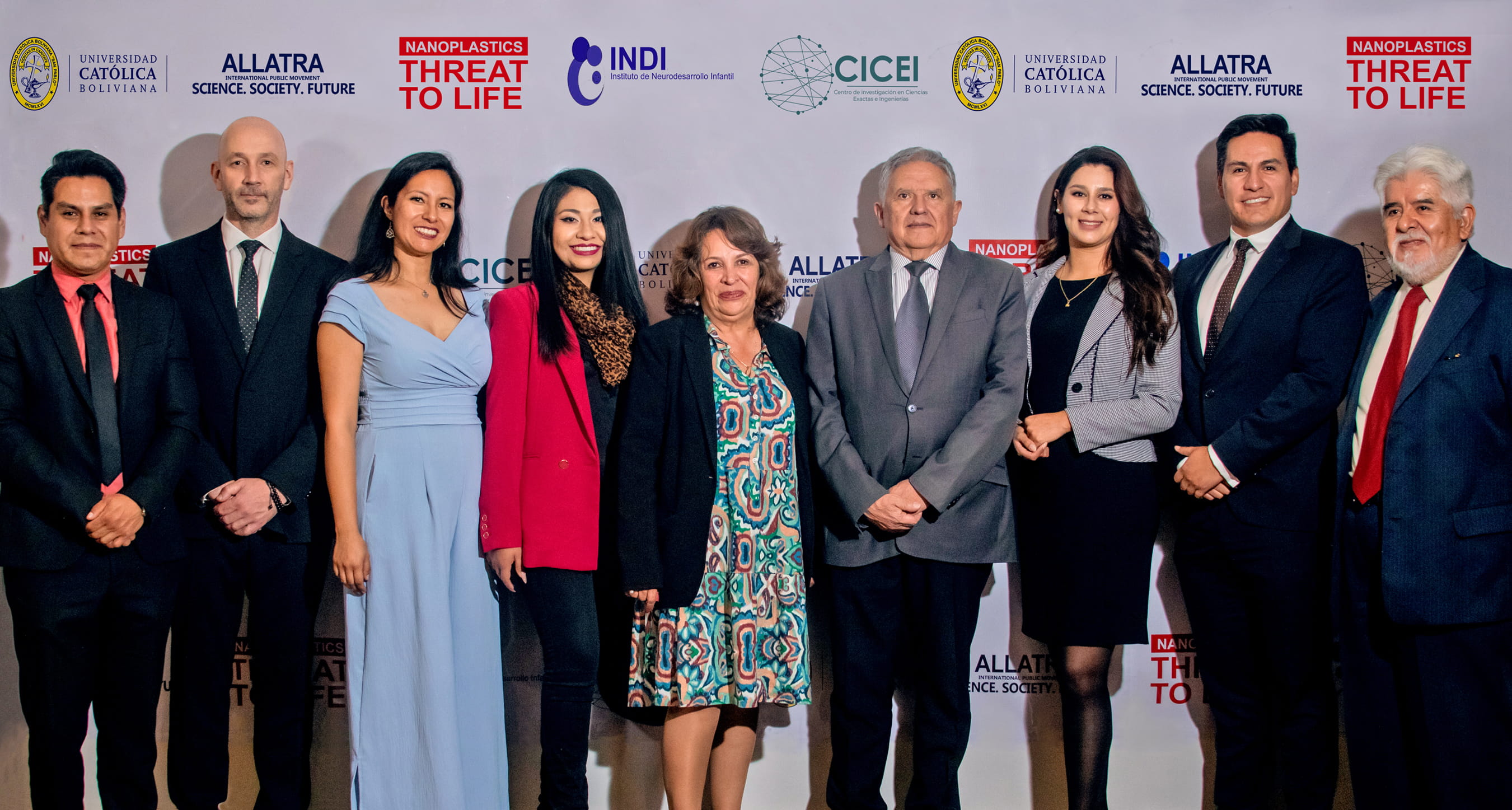
A screening at the Bolivian Catholic University “San Pablo” in La Paz brought together members of academia, government institutions, and civil society organizations to discuss the potential impact of micro- and nanoplastics on human health and the environment.
La Paz, Bolivia, April 22, 2026 — The Latin American premiere of the documentary Nanoplastics. Threat to Life took place at the La Paz campus of the Bolivian Catholic University “San Pablo.” The screening was held on April 22, International Mother Earth Day, and marked the university’s 60th anniversary.
The documentary was produced by the ALLATRA Global Research Center (ALLATRA GRC) and unites scientific research from around the world on the potential impact of micro- and nanoplastics, presented in an accessible, popular-science format.
The premiere was attended by representatives of the Bolivian Catholic University “San Pablo” leadership, specialists from the Center for Research in Exact Sciences and Engineering (CICEI-UCB), the Center for Research in Water, Energy and Sustainable Development (CINAES-UCB), and the Institute of Applied Research (IIA), as well as representatives of the Ministry of Education, the Institute of Child Neurodevelopment (INDI), and the ALLATRA Global Research Center.
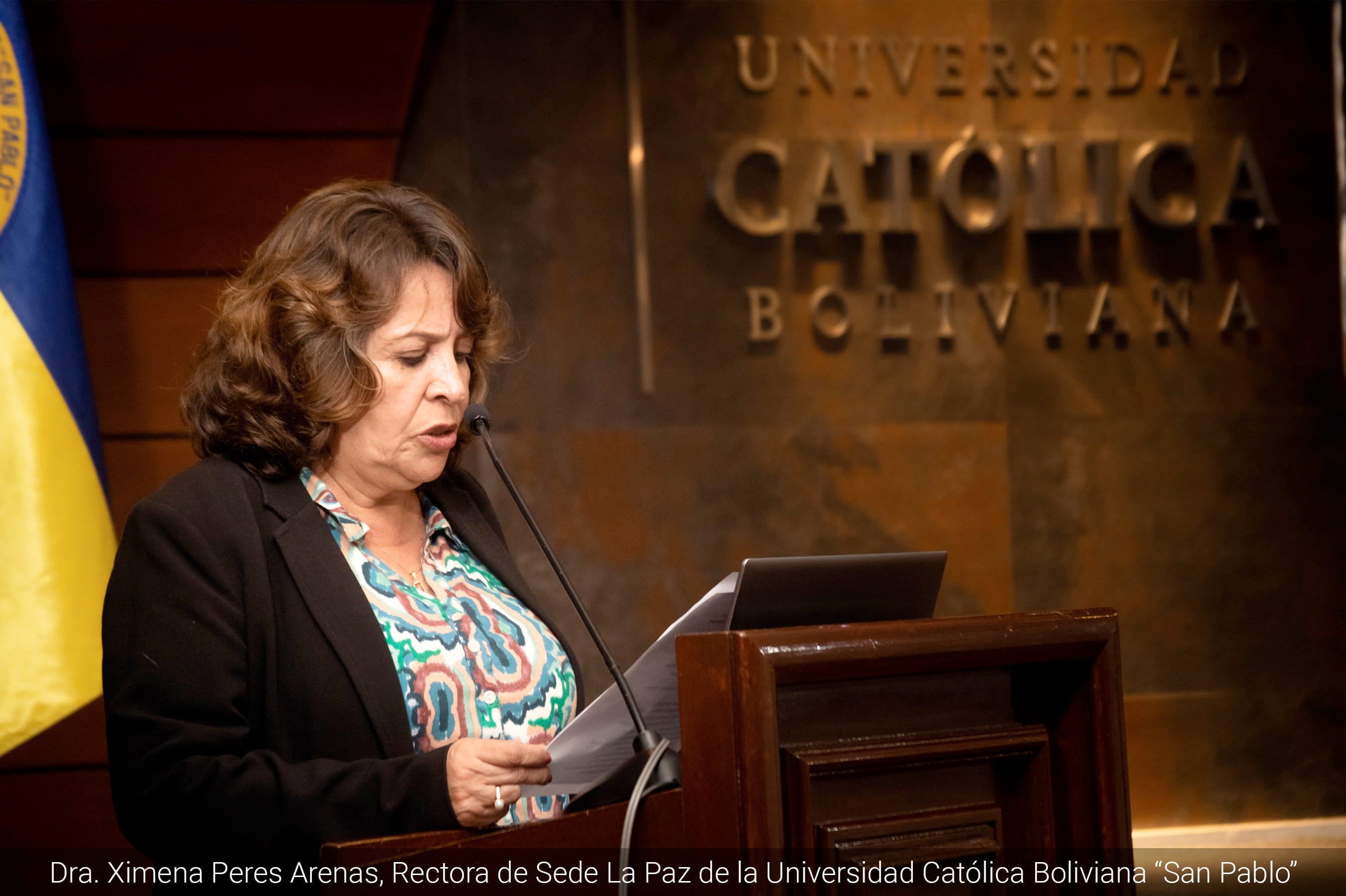
Dr. Ximena Peres Arenas, Rector of the La Paz Campus of the Bolivian Catholic University “San Pablo,” during the opening of the gala screening of Nanoplastics: Threat to Life
The evening was officially opened by Ximena Peres Arenas, Rector of the La Paz campus of the Bolivian Catholic University. In her opening remarks, she emphasized the ethical and global significance of the event, drawing attention to the issue of nanoplastics and their potential impact on both human health and the planet. In the context of Mother Earth Day, she highlighted the importance of scientific research and the pursuit of global solutions as an essential responsibility in protecting life.
International Recognition of the Documentary
The Bolivian Catholic University “San Pablo” highlighted the significance of the premiere for the university community.
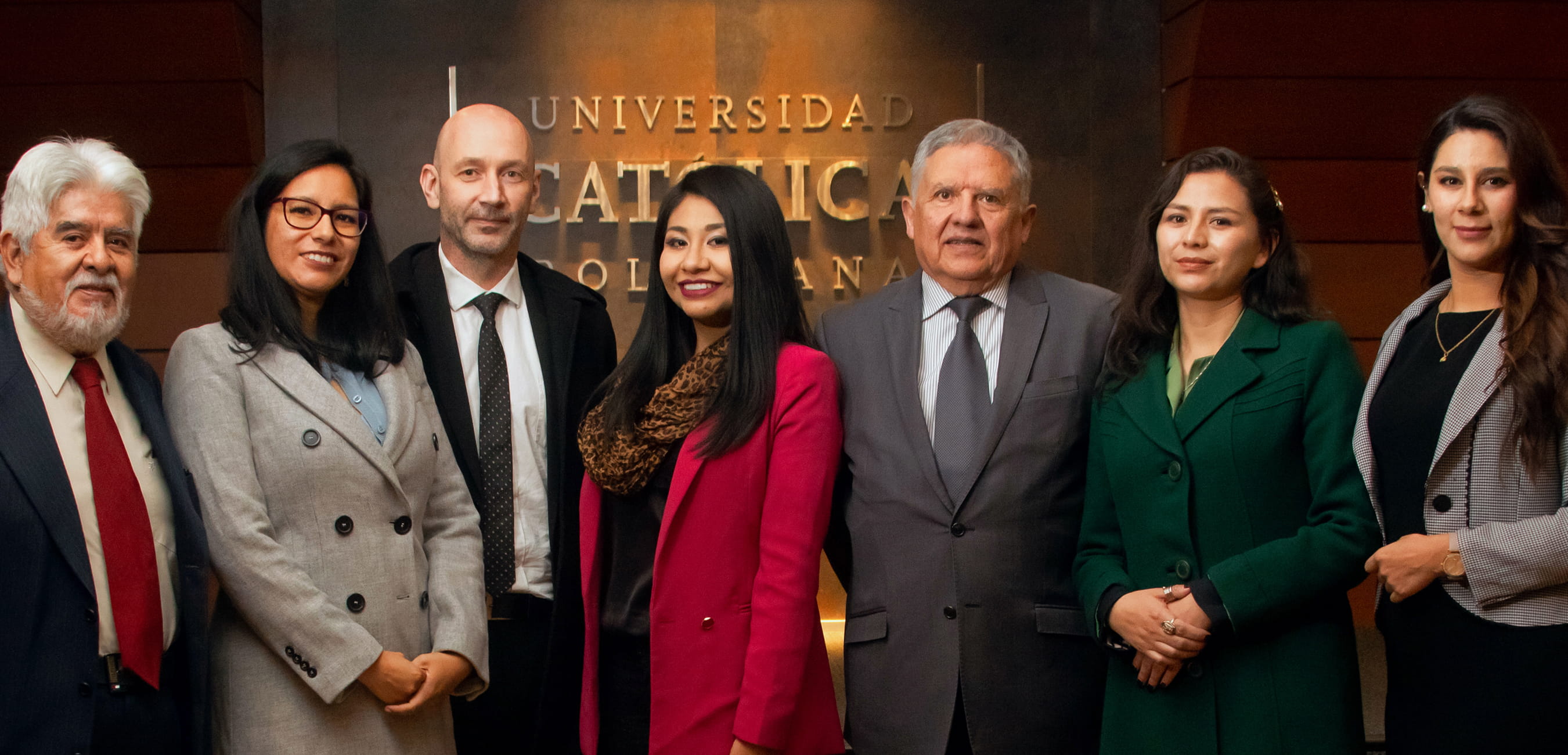
José Antonio Muñoz; Liliana Cáceres; Paul d’Abzac; Paola Alvizuri; Iván Antonio Irasoque; Carla Alexandra Campero Vargas, Director General of Special Education at the Ministry of Education of the Plurinational State of Bolivia; and Grecia Paola Molina during the gala premiere
Representatives of the university’s Cochabamba campus emphasized the participation of faculty members and researchers from the Center for Research in Exact Sciences and Engineering (CICEI-UCB), Paul d’Abzac and Liliana Cáceres Sánchez, whose rigorous academic approach helped strengthen the documentary’s scientific foundation.
Since the beginning of 2026, the ALLATRA GRC documentary Nanoplastics. Threat to Life has received several international awards and has been featured at a number of film festivals. At the Mannheim Arts and Film Festival, it received awards in the categories of Best Feature Film on Health and Medicine and Best Feature Film on Environment and Climate. It also won Best Documentary at the London Independent Film Awards and received a Gold Award for Best Feature Documentary at the Latitude Film Awards. The film has also received Best Documentary at the Eastern Europe Film Festival, recognition in the Feature Environmental Documentary category at the Nature Without Borders International Film Festival, and an Award Certificate from the Cine Paris Film Festival in June 2026.
The film’s international reach continues to expand. According to Grecia Molina, coordinator of the ALLATRA Global Research Center in Bolivia, the documentary has been submitted for participation in the 13th International Green Film Festival (FICV 2026), organized by the Friends of Nature Foundation (FAN Bolivia), one of the country’s platforms dedicated to sustainable development issues.
Scientific Context: What We Know About Nanoplastics
The documentary examines scientific evidence indicating that nanoplastics—particles smaller than many viruses—are already being detected in human blood, the placenta, and the brain, and may affect the immune system, cognitive function, and nervous system development. The film also explores the potential impact of micro- and nanoplastics on environmental and climate processes, including heat exchange in the oceans. Particular attention is given to the fact that plastic does not simply disappear from the environment; instead, it gradually breaks down into smaller particles, spreads, and enters various natural and biological systems.
Expert Perspectives: Scientific Approach to a Pressing Issue
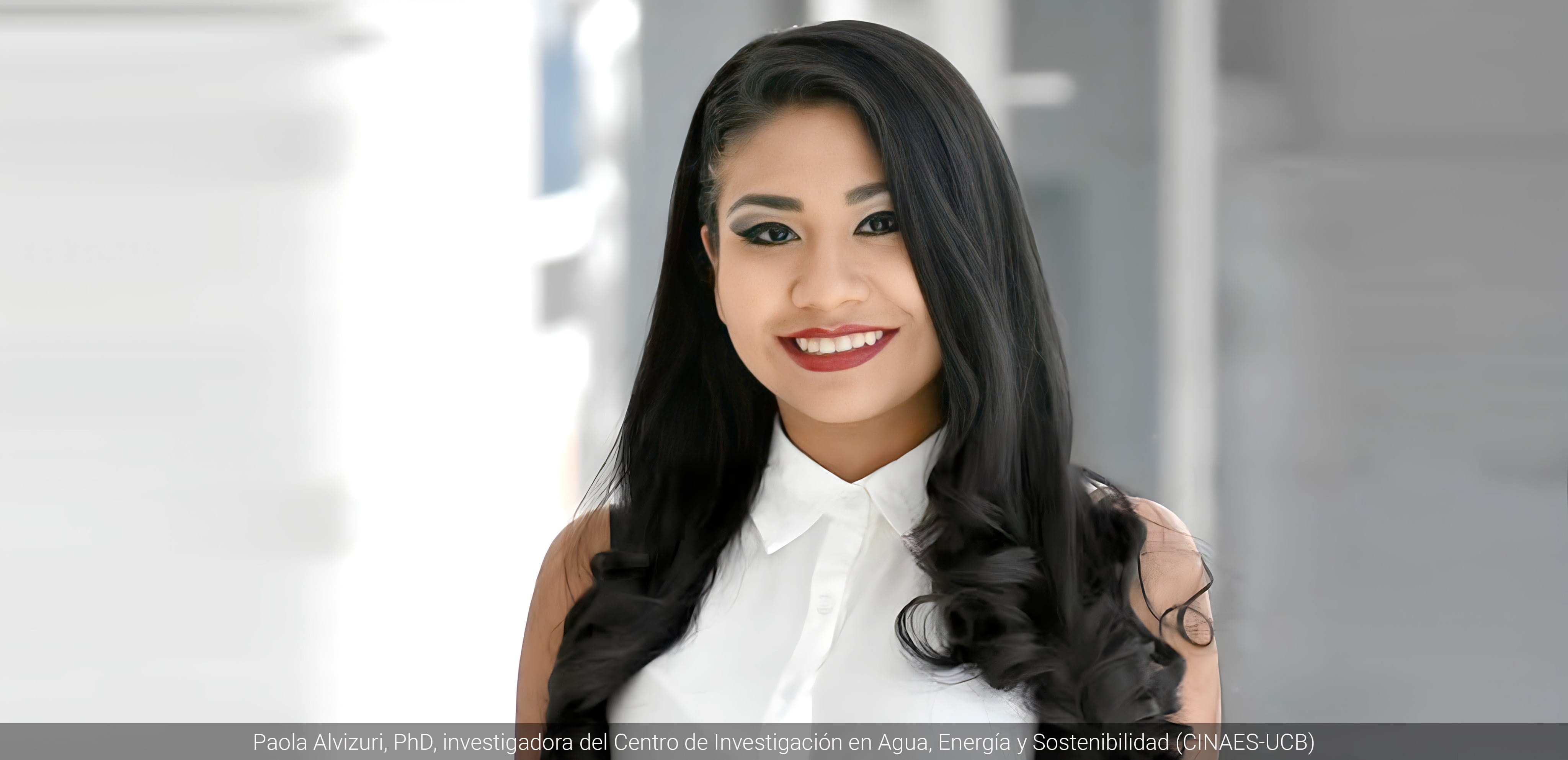
Paola Alvizuri, PhD, researcher at the Center for Research on Water, Energy, and Sustainability (CINAES-UCB)
Paola Alvizuri, a researcher at the Center for Research in Water, Energy and Sustainable Development (CINAES-UCB) and the recipient of several national and international awards for academic research, noted,
“The documentary Nanoplastics. Threat to Life, created by the ALLATRA Global Research Center, has marked a pivotal moment in dialogue about water, health, and the future of our planet. This meeting helped draw attention to critical challenges, particularly those related to water quality, while emphasizing the value of water as a source of life, culture, and our future.”
“The documentary presents a complex issue in an accessible and compelling way, encouraging us to reconsider our relationship with materials and their impact. Initiatives like this strengthen the role of science and international cooperation in achieving meaningful change. In the face of the environmental crisis, this film serves as both a warning signal and an opportunity to act consciously and responsibly to protect life.”
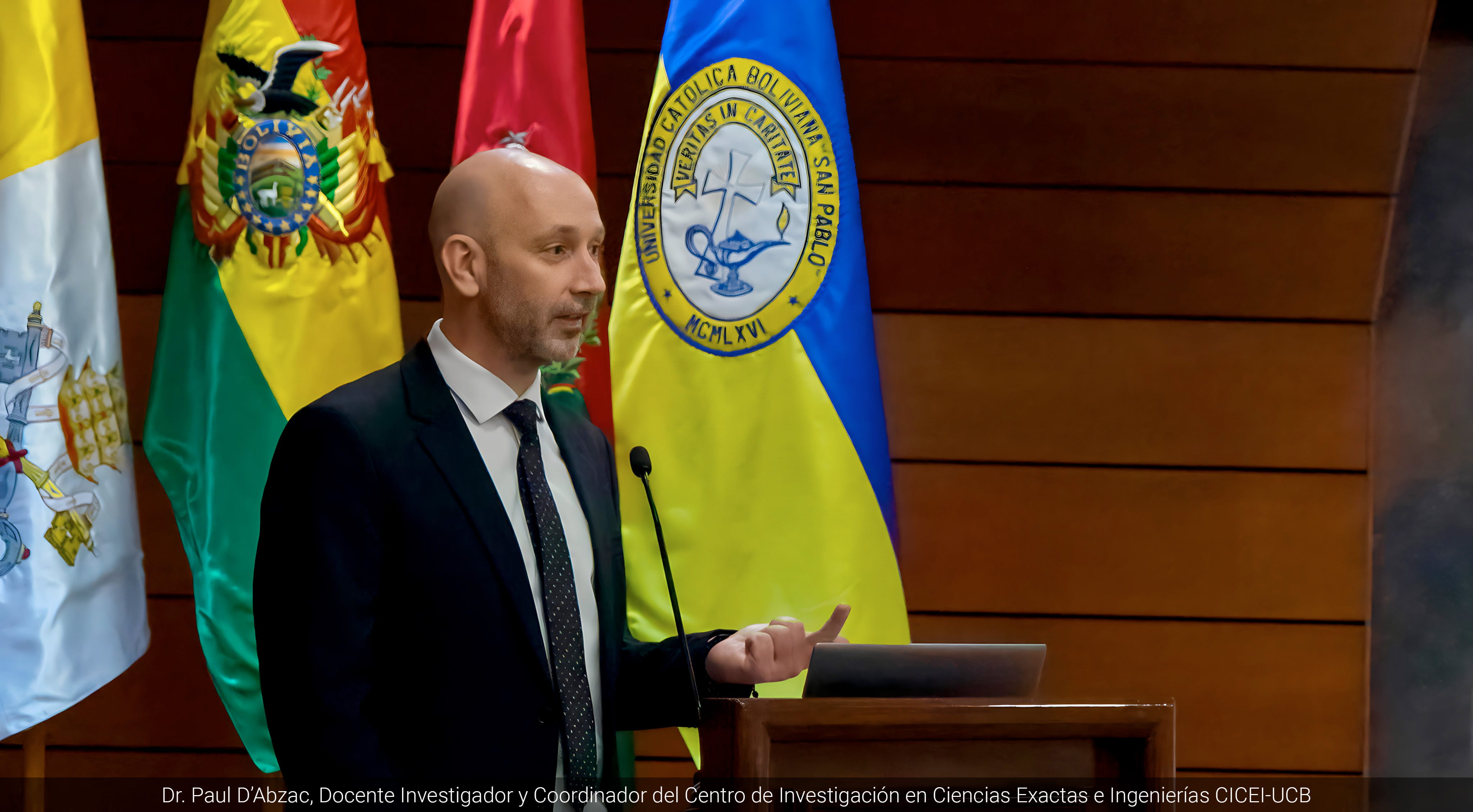
Paul d’Abzac, researcher, lecturer, and coordinator of the Center for Research in Exact Sciences and Engineering (CICEI-UCB)
In turn, Paul d’Abzac, PhD in Water Chemistry and Microbiology and a lecturer and researcher at CICEI-UCB, emphasized,
“The premiere of the documentary Nanoplastics. Threat to Life at the Bolivian Catholic University ‘San Pablo’ is a major milestone in raising awareness of the environmental challenges we are facing. As a researcher in this field, I believe that bringing visibility to the threat posed by micro- and nanoplastics present in our environment—in water, air, soil, living organisms, and food—is an urgent step toward action.”
“Every fragment of microplastic tells a story of consumption and responsibility. We are no longer merely observers of this situation; it affects us directly. I would like to express my deep gratitude to the ALLATRA Global Research Center for advancing this initiative. This collaboration was made possible through the dialogue that began during the visit of Maryna Ovtsynova, President of ALLATRA, to the leadership of the Bolivian Catholic University ‘San Pablo,’ and reflects the university’s commitment to advancing science, education, and projects of significance to society.”
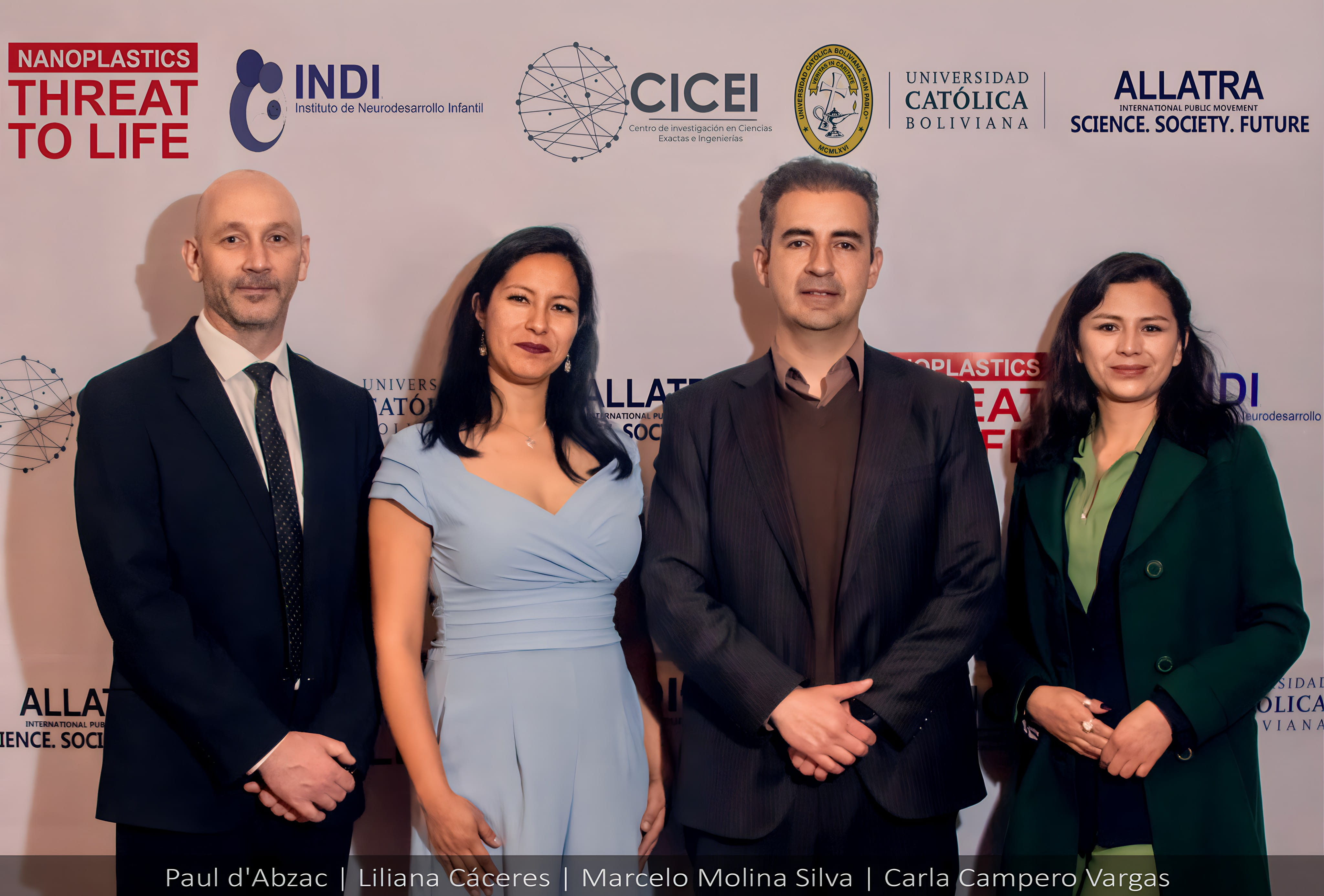
Paul d’Abzac, Liliana Cáceres, Marcelo Molina Silva, Coordinator of the Institute for Applied Research (IIA), and Carla Campero at the premiere of the documentary Nanoplastics: Threat to Life.
Marcelo Molina Silva, PhD in Engineering and coordinator of the Institute of Applied Research (IIA), emphasized the need to deepen cooperation between ALLATRA and the Bolivian Catholic University “San Pablo.” According to him, such collaboration could bring together different areas of research, including behavioral and socioeconomic sciences, while also helping bridge the gap between fundamental research and practical solutions.
Health, Education and Community: Comprehensive Response
At the Institute of Child Neurodevelopment (INDI), representatives emphasized the connection between environmental factors, children’s health, and neurodevelopment,
“Today, on Earth Day, we attended a very special event… The presentation of the documentary Nanoplastics. Threat to Life offers a profound look at an invisible yet deeply relevant issue that concerns every one of us. […] These tiny particles are already present in our bodies… and yes, they also affect neurodevelopment. […] Caring for the planet also means caring for the health and future of our children.”
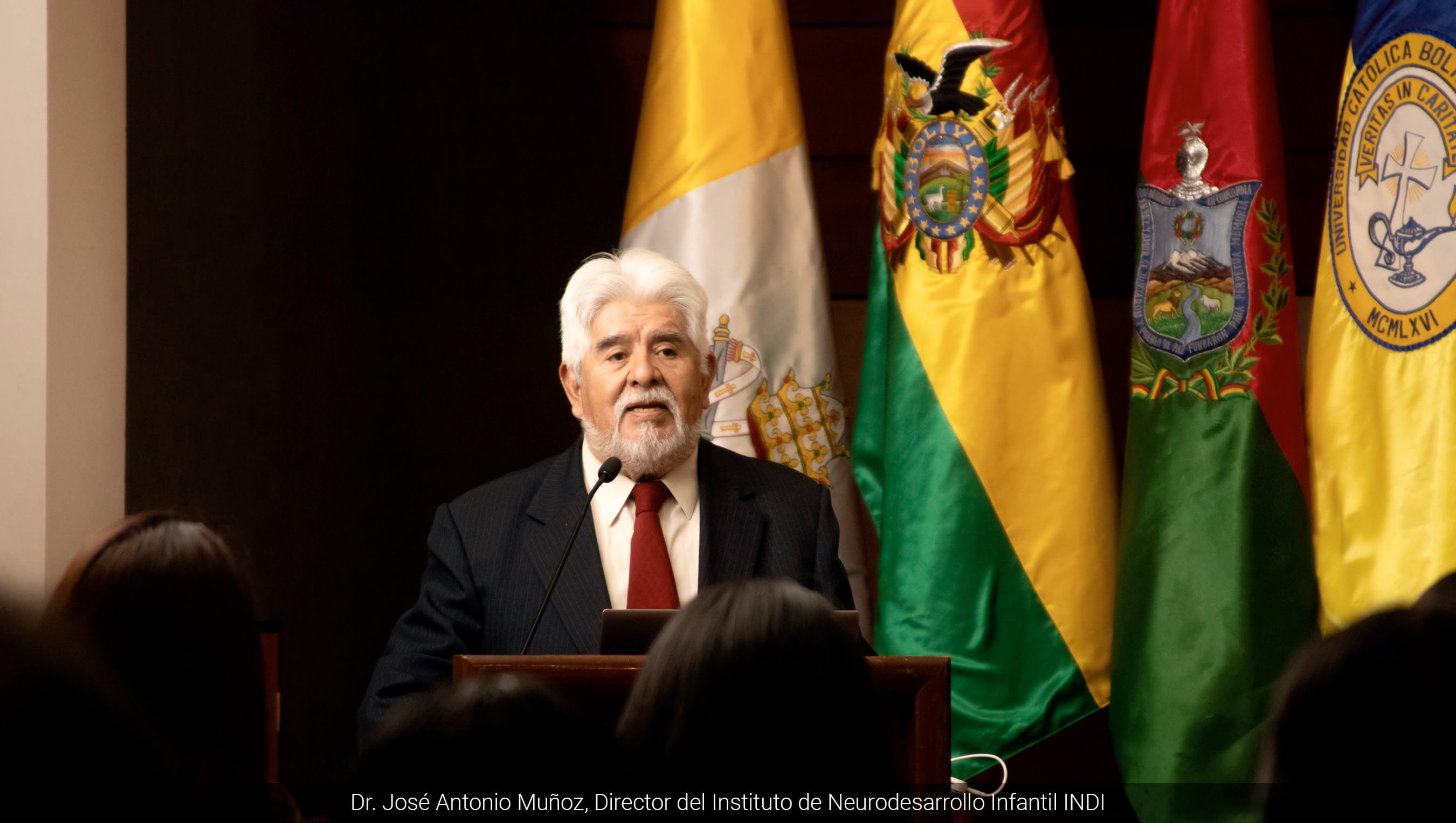
Dr. José Antonio Muñoz, Director of the Institute for Child Neurodevelopment (INDI), speaking at the gala screening
Dr. José Antonio Muñoz, a distinguished pediatric neurologist and Director of INDI, emphasized the importance of a comprehensive approach that brings together healthcare, education, and community engagement beyond the boundaries of specialized institutions, “There can be no health without education, and no education without health. Our task is to move beyond our usual areas of work and engage with the wider community. Our greatest aspiration is to develop education and healthcare systems that are responsive to the needs of society.”
Grecia Molina echoed this perspective, “Good intentions alone are not enough. Without clear scientific knowledge and prioritized action, there can be no genuine health and well-being. Now we know that nanoplastics […] can cross barriers such as the blood-brain barrier, reaching the brain and affecting sensitive processes, including neurodevelopment. […] Scientific communication is not an option; it is a necessity. […] We need to move beyond isolated initiatives toward an informed, engaged, and active society capable of collectively addressing challenges that no longer concern individual groups, but humanity as a whole.”
Inclusive Education and Public Policy in the Face of Emerging Challenges
The participation of Carla Campero Vargas, Director General of Special Education at the Ministry of Education of the Plurinational State of Bolivia, underscored the need to incorporate emerging scientific evidence on micro- and nanoplastics into a comprehensive public policy approach, particularly in the areas of education, healthcare, and child development. Her presence at the event highlighted the importance of promoting an intersectoral approach to environmental challenges that could potentially affect learning, neurodevelopment, and overall well-being.
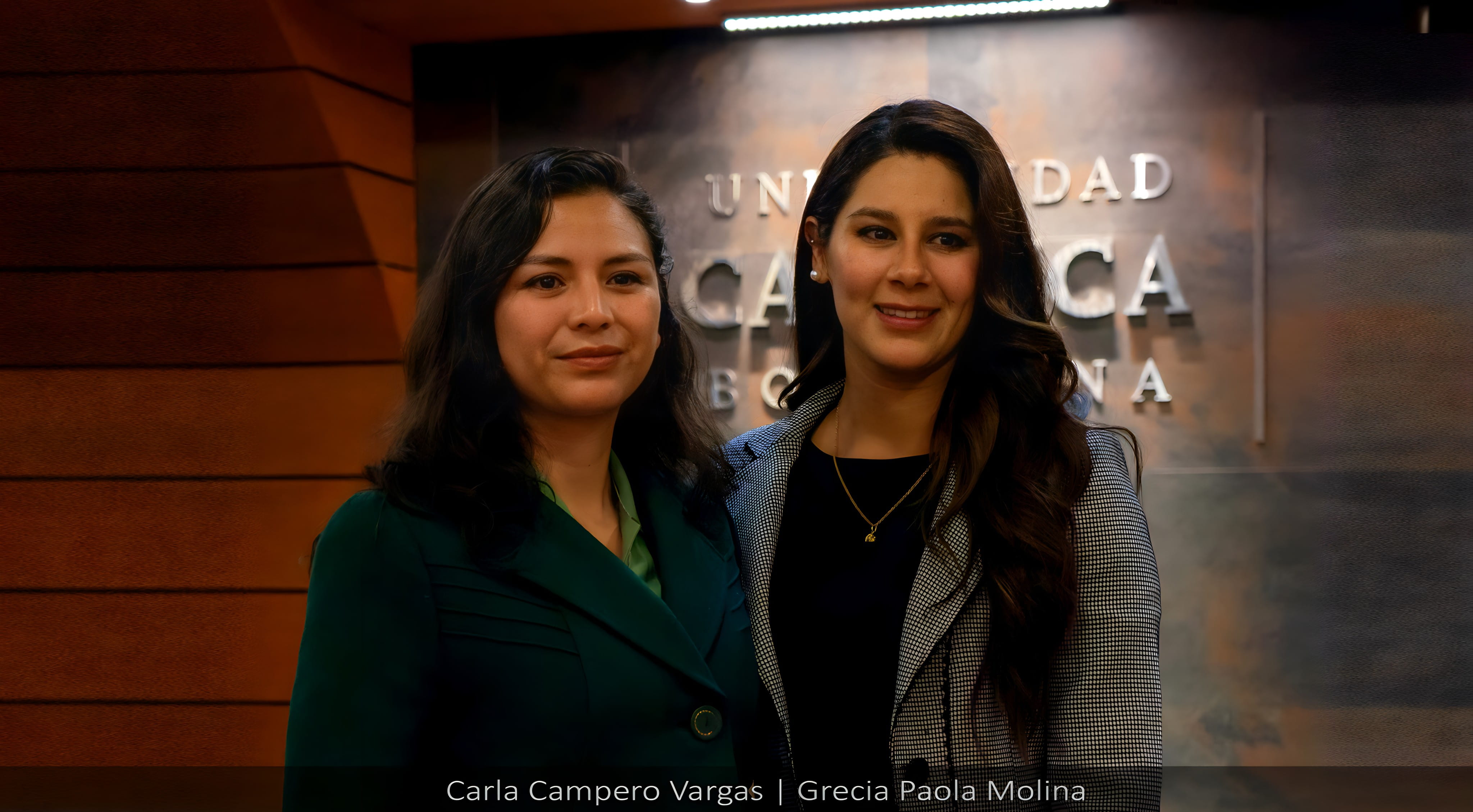
Carla Campero Vargas, Director General for Special Education at the Ministry of Education of the Plurinational State of Bolivia, and Grecia Molina, Coordinator of the ALLATRA GRC in Bolivia
At the event, Carla Campero Vargas stated, “The documentary Nanoplastics. Threat to Life is important for the field of education because it shows how environmental factors that often go unnoticed can gradually affect the health, neurodevelopment, and overall well-being of children and adolescents. In the context of today’s challenges in ensuring the right to inclusive education, the film helps broaden the traditional understanding of disability and learning difficulties by showing that educational processes cannot be separated from emerging environmental, medical, and social factors.”
“It also highlights the need to strengthen education systems through a preventive, cross-sectoral, and inclusive approach—supported by research, early identification, appropriate educational adaptations, and evidence-based public policies—so that we can respond in a timely manner to new conditions that may affect learning and students’ full participation.”
She also added, “As a guide for future action, the documentary highlights the importance of interagency cooperation across education, healthcare, and environmental protection; advancing research into factors that affect child development; and incorporating preventive approaches and universal accessibility principles into inclusive education policies.”
Rethinking the Plastic Problem: Reducing Production Is Not Enough
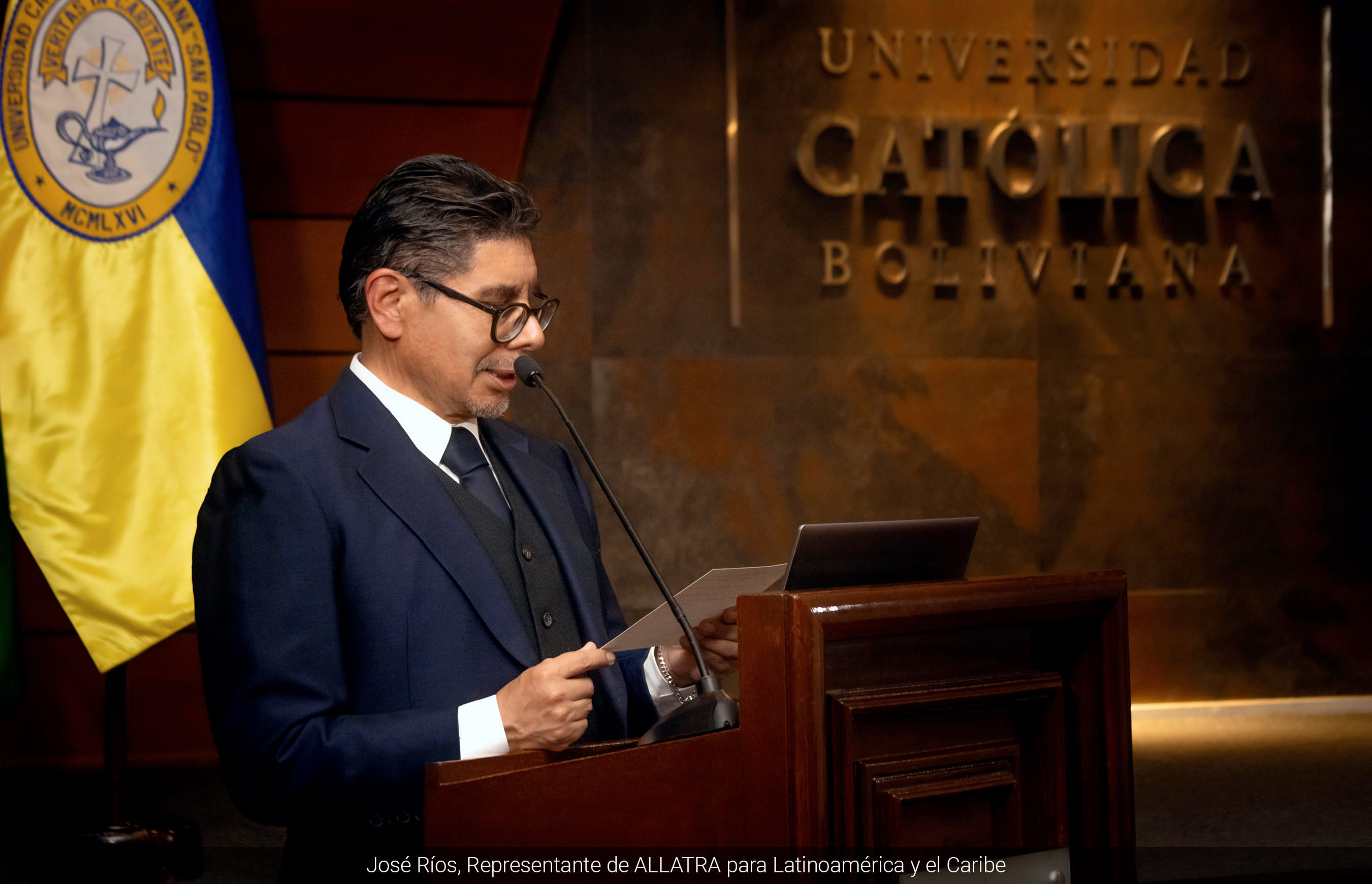
José Ríos, ALLATRA Representative for Latin America and the Caribbean
José Ríos, representative of ALLATRA for Latin America and the Caribbean, offered a central reflection,
"This documentary is not just watched... but absorbed. Some truths are uncomfortable, yet they are the only ones that can truly transform us. While science clearly reveals what is happening—in the water, in the air, in our own bodies, and on the planet—we continue to live as if nothing were happening. We have grown accustomed to a notion of normality in which questions are not encouraged; to an idea of progress that fails to heed warnings; and to conversations about responsibility that are not always accompanied by a willingness to face problems head-on. And yet, everything is connected: what affects the planet affects us too. Perhaps the real turning point is not to discover more... but in having the courage to see the problem for what it is.. Because only when understanding takes hold can meaningful action begin."
Ríos further stressed that the problem cannot be solved solely by reducing plastic production, since plastic does not disappear but rather fragments. The scientific challenge, therefore, lies in understanding and addressing phenomena such as its electrostatic charge.
Business Sector: Leadership and Action in the Face of the Micro- and Nanoplastic Challenge
The issue of micro- and nanoplastics is not only part of the scientific and social agenda but also extends to the business sector focused on sustainability, where innovation, scientific knowledge, and social responsibility can play a significant role.
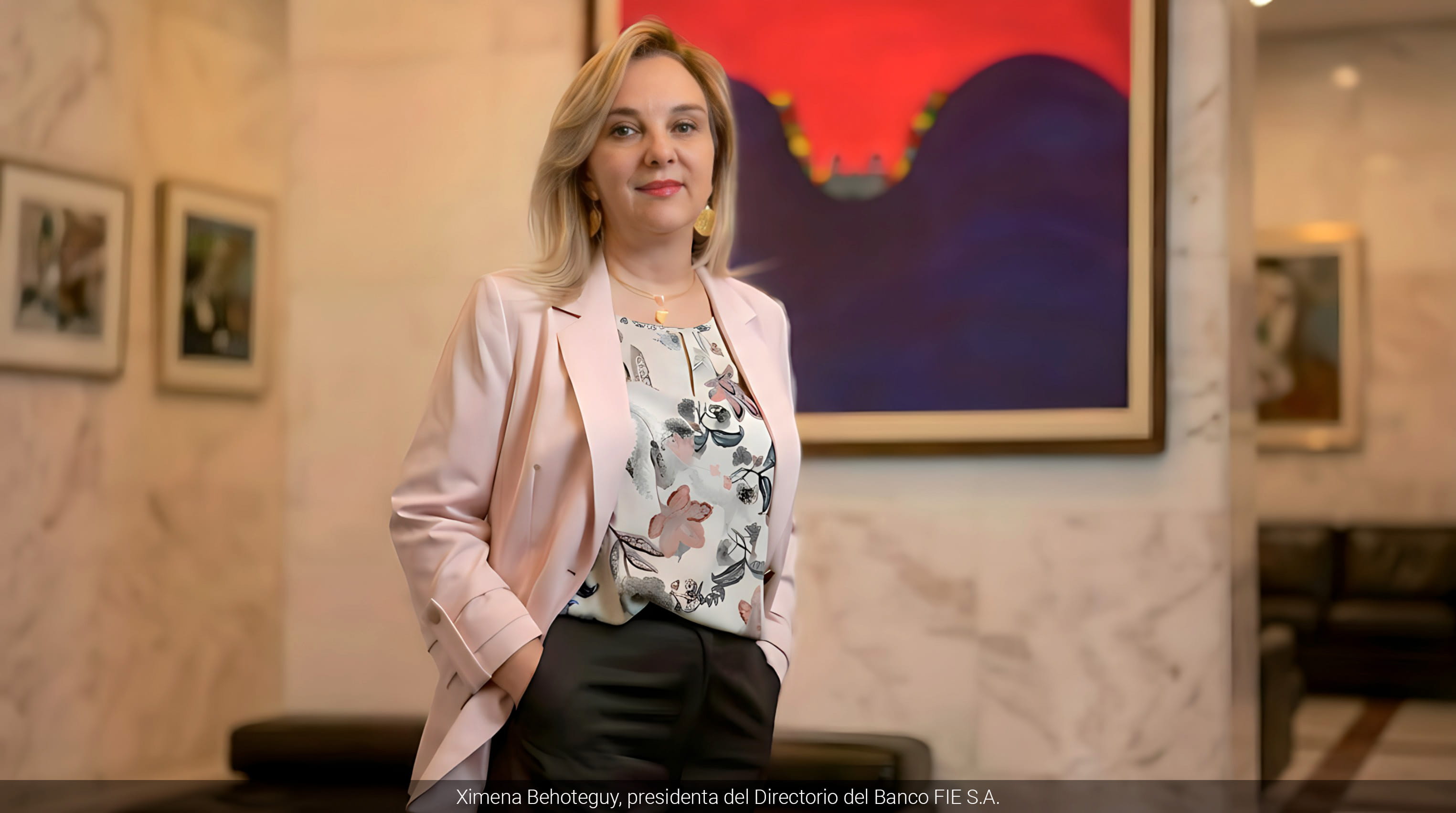
Ximena Behoteguy, Chair of the Board of Directors of Banco FIE S.A.
In this context, Ximena Behoteguy, Chairwoman of the Board of Directors of Banco FIE S.A. and member of various corporate boards, took part in the first Sendai Roundtable alongside Maryna Ovtsynova, President of ALLATRA, and Hiroshi Onomura, who at that time held the post of Ambassador of Japan to Bolivia.
Ximena Behoteguy, named by Bloomberg Línea as one of the “50 Women in Latin America Who Made a Significant Impact” (2024), ranked by MERCO among the 100 leaders with the strongest reputations in Bolivia, recognized by Bolivian Business’s 40 Best CEOs ranking as the country’s second most prominent female executive in 2026, and honored by WOMEN’S TIME 2026 (Magazine Management) as a leader in corporate strategy, stated,
"The planet is facing a growing and invisible threat: micro- and nanoplastics. These tiny particles persistently accumulate in the water we drink, the air we breathe, the clothes we wear, and even the food we eat, becoming alarmingly integrated into our biological chain. In light of the scientific evidence on their impacts, raising awareness about the responsible use of plastic is an important first step. However, the current challenge calls for a broader, knowledge-based approach, considering that existing plastic will continue to fragment and have effects over time. In this context, it is essential to promote responsible actions at all levels, combining changes in daily habits with support for research, innovation, and cooperation."
Commenting on Behoteguy's remarks, Grecia Molina noted that this approach reflects how the business sector can also play an active role in addressing emerging environmental challenges. She added that institutional initiatives such as the elimination of single-use plastics, reducing the use of materials, and adopting more environmentally responsible alternatives, implemented by various organizations, including Banco FIE, demonstrate that concrete action at the institutional level can complement scientific efforts and public policy measures aimed at tackling plastic pollution.
In Molina's view, the interaction between science, climate diplomacy, and integrated risk management is an important condition for developing real and sustainable environmental solutions. She pointed out that the challenges associated with nanoplastics go beyond the strictly ecological or health sphere and may involve issues of security, sustainability, and international cooperation due to their potential impact on human health, water resources, ecosystems, and climate processes.
She also noted that both fundamental scientific research, including observation, monitoring, and analytical systems, and the development of applied technologies aimed at mitigating the impacts of micro- and nanoplastics require more open, interdisciplinary, and coordinated international cooperation. According to her, it is essential to foster models of scientific and technological collaboration that place the shared global interest in environmental, climate, and sustainable development issues at the forefront, promoting knowledge exchange and strategic cooperation in addressing challenges that transcend national borders.
From Problem Recognition to Collective Action
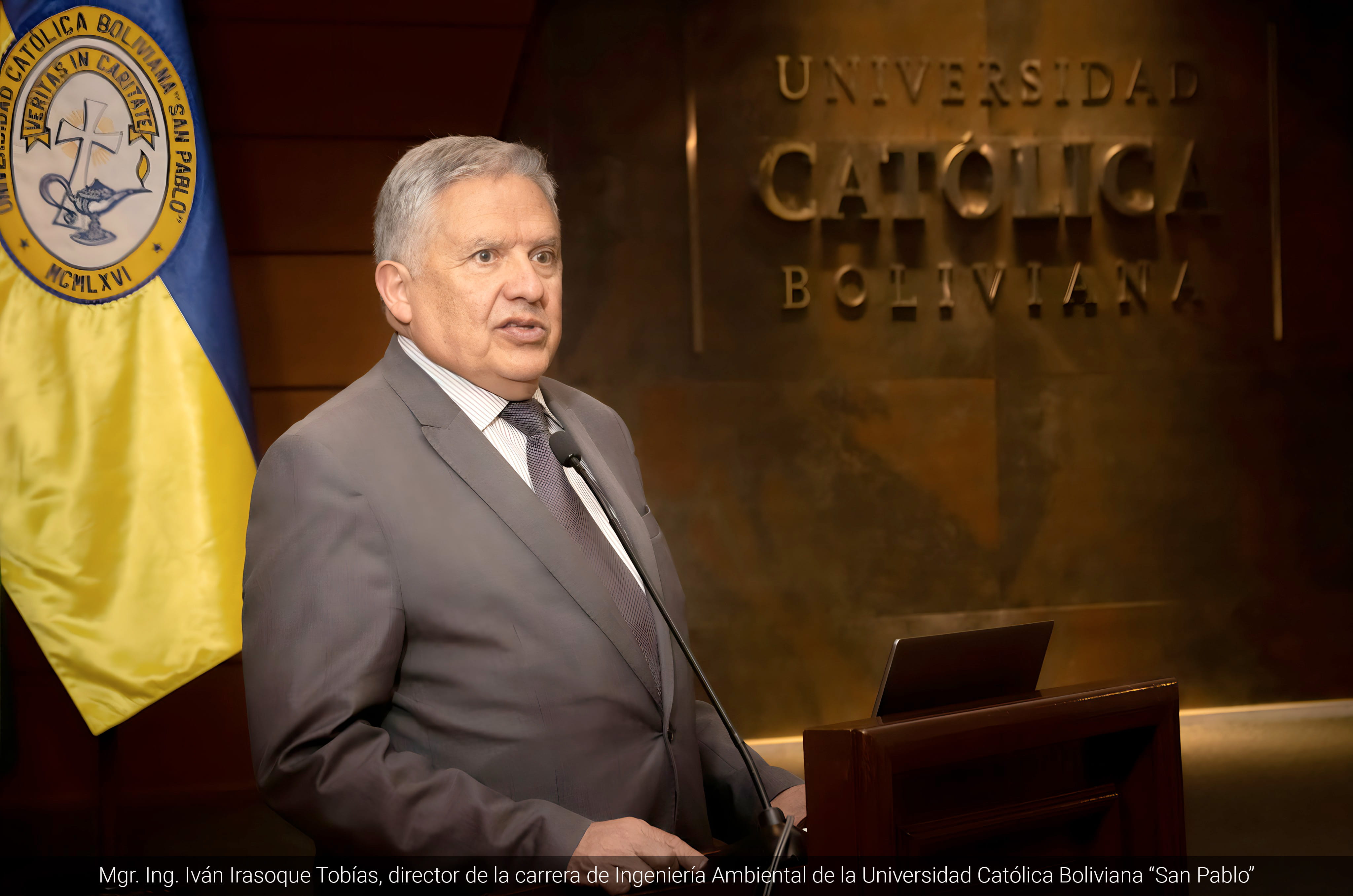
Iván Irazoque Tobías, Director of the Environmental Engineering Program at the Bolivian Catholic University “San Pablo,” speaking at the event
At the close of the event, Iván Irazoque Tobías, Master of Engineering and Director of the Environmental Engineering program at the Catholic University of Bolivia ‘San Pablo’, emphasized the importance of the issues raised in the documentary. He stressed its strong scientific grounding and the urgent need for concrete action in response to pollution that impacts not only the environment but also public health.
Grecia Molina pointed out that the Bolivian premiere of the documentary was made possible through the collaborative efforts of the academic leadership at the Catholic University of Bolivia ‘San Pablo,’ ALLATRA's local and international teams, and the volunteers and specialists committed to science communication and public outreach.
Molina also announced that the documentary will be rolled out gradually across different regions of the country, with the goal of supporting educational initiatives, raising environmental awareness, and fostering scientific dialogue.
About ALLATRA
ALLATRA is an international organization with a research center in the United States (ALLATRA Global Research Center), engaged in the comprehensive analysis of climate and environmental changes, the study of the impact of micro- and nanoplastics, and the promotion of intercultural cooperation and the protection of fundamental human rights and freedoms.
In recognition of its commitment to environmental protection and preservation of creation, ALLATRA received an Apostolic Blessing from His Holiness Pope Francis in 2024. In 2025, His Holiness Pope Leo XIV likewise bestowed an Apostolic Blessing upon the President of ALLATRA and all its volunteers.
For media inquiries, please email us at [email protected]