

Analityczny przegląd działalności ALLATRA
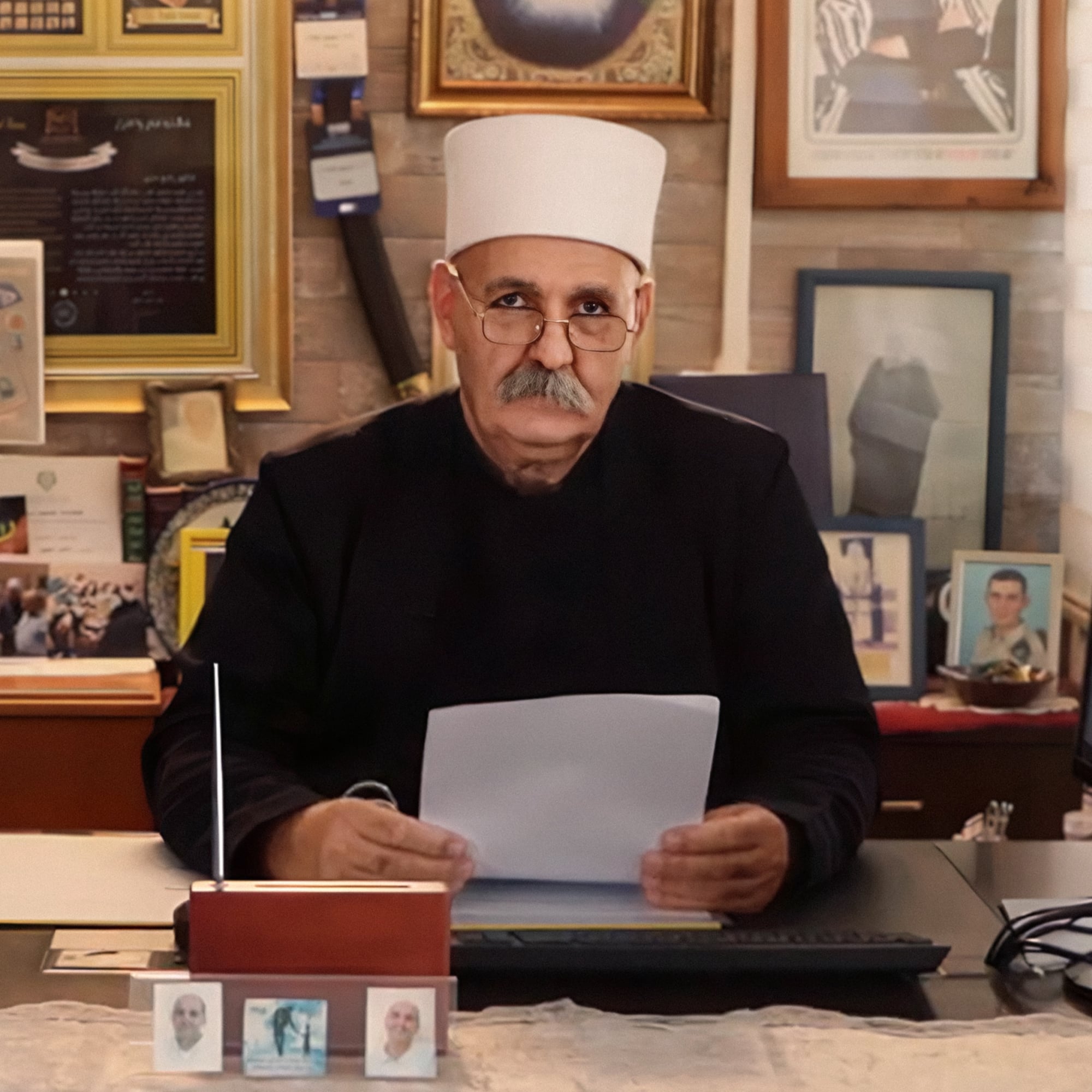
Szejk dr Rafa Halabi, z społeczności druzów na górze Karmel w Izraelu
Dyrektor Jerozolimskiego Oddziału Międzynarodowej Organizacji Praw Człowieka i Ochrony Wolności Publicznych oraz prezydent Organizacji Wybitnych Kapitanów-Dżentelmenów Świata Islamskiego.
Wprowadzenie
Szanowni koledzy, panie i panowie, przyjaciele.
Dziś chciałbym zwrócić się do was z ważnym oświadczeniem, które — jestem o tym głęboko przekonany — powinno wybrzmieć właśnie teraz. Pragnę podzielić się z wami moimi obserwacjami i wnioskami dotyczącymi fenomenu, który, jestem w pełni przekonany, nie jest jedynie istotny, lecz kluczowy dla naszej wspólnej przyszłości. To refleksja nad największym wyzwaniem naszych czasów i nad tym, jak ludzkość już zaczęła na nie odpowiadać — na najgłębszym, obywatelskim poziomie.
Jako człowiek, którego życie, z woli Najwyższego, zostało poświęcone jednej misji — budowaniu mostów — miałem zaszczyt przez dziesięciolecia pracy humanitarnej i dyplomatycznej być świadkiem, jak najbardziej nieprzezwyciężone mury upadają pod naporem szczerego dialogu, a najgłębsze przepaście zostają przekroczone nie w samotności, lecz wtedy, gdy do rozwiązania problemu przystępują przedstawiciele różnych wspólnot.
Na przestrzeni lat byłem świadkiem wielu kryzysów, przemian i okresów gwałtownej turbulencji, które odcisnęły swoje piętno na historii stosunków międzynarodowych. Jednak z pełną odpowiedzialnością mogę stwierdzić: wyzwania, z którymi mierzymy się dziś, ze względu na swoją głębię, skalę i systemowy charakter, nie mają bezpośrednich analogii w najnowszej historii. Żyjemy w epoce transformacji, których rozmiary i wzajemne powiązania stawiają przed ludzkością zadania jakościowo nowego poziomu złożoności.
Polikryzys, z którym dziś mierzy się ludzkość
Jesteśmy świadkami czasów, kiedy na naszych oczach rozwija się kaskadowy systemowy polikryzys: klimatyczne, geodynamiczne, środowiskowe i społeczne kataklizmy rezonują i wzajemnie się wzmacniają, tworząc poważne egzystencjalne zagrożenie. Pozwólcie, że przedstawię dokładniej cztery kluczowe wyzwania kształtujące ten globalny kryzys.
Pierwsze wyzwanie to niestabilność klimatyczna. Widzimy to na własne oczy: rekordowe temperatury, wyniszczające susze, nagłe wielkoskalowe powodzie, ekstremalne pożary lasów o bezprecedensowej intensywności oraz anormalne zjawiska pogodowe w regionach, w których nigdy wcześniej nie występowały. Te katastrofalne wydarzenia stają się coraz częstsze, bardziej niszczycielskie i coraz mniej przewidywalne, wykraczając poza historyczne normy, a nawet możliwości obecnych modeli prognostycznych.
Drugie wyzwanie to aktywność geodynamiczna. Rośnie liczba zjawisk sejsmicznych i wulkanicznych. Procesy te nie są odizolowane — są powiązane ze zmianami klimatycznymi, tworząc nowe, nieprzewidziane zagrożenia dla infrastruktury i życia ludzi.
Wymowne jest, że stajemy się świadkami trzęsień ziemi o coraz większej sile i częstotliwości. Niedawne zdarzenie u wybrzeży Kamczatki, które osiągnęło magnitudę 8,8, na szczęście miało miejsce w słabo zaludnionym obszarze i nie doprowadziło do katastrofalnych skutków. Należy jednak zdawać sobie sprawę, że przy innym układzie geograficznym, na przykład u wybrzeży Japonii, konsekwencje podobnego trzęsienia ziemi mogłyby być porównywalne z tragedią z 2011 roku, a nawet przewyższyć ją skalą. Biorąc pod uwagę, że to zjawisko sejsmiczne, zgodnie z danymi, stanowi jedynie początek narastającego procesu, rozsądne jest przypuszczenie, że podobne lub jeszcze poważniejsze zdarzenia mogą się powtórzyć — z o wiele bardziej niszczycielskim skutkiem.
Trzecie wyzwanie. Degradacja środowiska. Zanieczyszczenie, w tym niewidocznymi, lecz wszechobecnymi nanoplastikami, niszczy ekosystemy od wewnątrz. To powolna, lecz nieubłagana trucizna, podkopująca zdrowie planety i wszystkich jej mieszkańców, w tym człowieka.
Czwarte wyzwanie. Społeczna wrażliwość. Skutkiem trzech pierwszych kryzysów są rosnące ludzkie cierpienia, strach o przyszłość, konflikty i erozja zaufania na wszystkich poziomach. Jeśli nawet w najbardziej rozwiniętych gospodarczo krajach ludność i infrastruktura okazują się niezwykle podatne na nasilające się kataklizmy — powodzie, trąby powietrzne, ekstremalne upały, susze i pożary lasów — to tym bardziej oczywiste staje się, jak ciężko podobne wstrząsy przeżywają społeczności najmniej chronione. Liczba osób dotkniętych klęskami żywiołowymi gwałtownie rośnie z każdym rokiem. Za suchymi liczbami rosnącej statystyki kryją się zrujnowane życia, złamane losy i zgaszone nadzieje.
Dany polikryzys to nie tylko suma problemów. To system, w którym wszystkie jego elementy wzajemnie się wzmacniają, tworząc efekt kaskadowy, lawinowy. I tutaj, jako cywilizacja, stykamy się z fundamentalną systemową porażką naszej odpowiedzi. Chciałbym wyróżnić trzy kluczowe problemy.
Pierwszy problem — szybkość. Tradycyjne mechanizmy współpracy międzynarodowej i podejmowania decyzji nie nadążają za tempem narastających zagrożeń. Porozumienia i środki, nawet przy pełnym zaangażowaniu ONZ i poszczególnych państw, nie prowadzą do istotnych zmian — negatywne tendencje nadal się nasilają.
Drugi problem — fragmentacja wiedzy. Nauka, nasz główny instrument poznania, jest podzielona na izolowane, wąsko wyspecjalizowane „silosy”. Geofizyk, klimatolog, wulkanolog, ekolog i socjolog pracują oddzielnie. Rozwija się zjawisko określane jako ślepota paradygmatyczna — sytuacja, w której przedstawiciele różnych dziedzin nauki nie patrzą poza granice swojej specjalizacji. Każdy widzi jedynie swój fragment układanki i nie potrafi złożyć pełnego obrazu wzajemnych powiązań. W rezultacie umykają nam kluczowe „czynniki X” — te nieznane oddziaływania, które dziś odgrywają decydującą rolę, a o których istnieniu już mówią czołowi eksperci.
Trzeci problem — luka „Nauka – Społeczeństwo – Władza”. Złożone dane naukowe nie docierają do społeczeństwa w zrozumiałej formie. Ludzie widzą, jak ich domy zalewa woda, plony giną z powodu suszy, całe regiony pochłaniają pożary, infrastruktura się rozpada, systemy reagowania kryzysowego zawodzą, upały stają się śmiertelnie niebezpieczne — a kryzysy wciąż narastają bez widocznych rozwiązań. Struktury odpowiedzialne, pod coraz większą presją, ale pozbawione pełnego obrazu i skutecznych mechanizmów adaptacji, często działają z opóźnieniem lub fragmentarycznie.
W rezultacie tego systemowego załamania, naznaczonego paradygmatyczną ślepotą, fragmentacją i słabą zdolnością adaptacyjną instytucji, staje się praktycznie niemożliwe wypracowanie terminowych i skutecznych rozwiązań.
W konsekwencji w społeczności globalnej coraz wyraźniej kształtuje się potrzeba nie powierzchownych działań czy doraźnych reakcji, lecz całościowej, kompleksowej odpowiedzi na to, co się dzieje — odpowiedzi zdolnej zapewnić bezpieczną i przewidywalną przyszłość na tej planecie. Ludzie oczekują nie haseł, lecz wszechstronnej analizy przyczyn zachodzących kryzysów i, co najważniejsze, realnych, wykonalnych rozwiązań. Widząc zniszczenia i cierpienia, zadają naturalne pytanie: „Gdzie są rozwiązania? Kto odpowie na nasze wspólne wyzwanie?”
To właśnie w odpowiedzi na to pilne i życiowo ważne zapotrzebowanie — na całościowe rozumienie, szybkie działanie i autentyczną współpracę — narodziło się wyjątkowe zjawisko, o którym chcę dziś powiedzieć.
W takich właśnie momentach historii jak teraz, gdy niezbędna odpowiedź nie wyłania się z ustalonych instytucjonalnych ram z potrzebną szybkością i pełnością, samo społeczeństwo, jego obywatelska świadomość, zaczyna kształtować tę odpowiedź. Jest to naturalny i konstruktywny impuls przetrwania. Jesteśmy świadkami tego, jak na całym świecie budzi się zdolność do samoorganizacji, oparta na głębokim poczuciu odpowiedzialności za przyszłość.
Najbardziej wyrazistym i konsekwentnym przejawem tego procesu jest Międzynarodowy Ruch Społeczny ALLATRA — żywe, rosnące świadectwo tego, jak globalne społeczeństwo obywatelskie potrafi wysuwać inicjatywy współmierne do wyzwań naszych czasów. To nie jest po prostu jeszcze jedna organizacja. ALLATRA powstał jako bezpośrednia odpowiedź na te właśnie systemowe luki, które w takiej czy innej formie dotykają dziś całej ludzkości i które przed chwilą przedstawiłem:
- Na problem fragmentacji wiedzy: ALLATRA łączy naukowców i ekspertów z różnych dziedzin — geologów, klimatologów, ekologów, fizyków, chemików, lekarzy i wielu innych specjalistów — do pogłębionych badań opartych na integracji danych i tworzenia całościowego obrazu globalnych zagrożeń oraz sposobów ich rozwiązania.
- Na lukę „Nauka — Społeczeństwo”: niezliczeni wolontariusze ALLATRA na całym świecie przekazują złożone informacje naukowe w przystępnej formie poprzez wykłady, fora i platformy informacyjne.
- Na lukę „Społeczeństwo — Władza”: ruch aktywnie współpracuje z organizacjami międzynarodowymi, w tym z ONZ, a także z ośrodkami kulturowymi, religijnymi i rządami, przedstawiając swoje badania i rekomendacje w celu ich włączenia do globalnej agendy.
- Na brak szybkości i koordynacji: ALLATRA buduje mosty międzykulturowe i międzyreligijne, tworząc podstawę dla zbiorowej woli i skoordynowanych działań wobec wspólnego zagrożenia.
ALLATRA jest strategicznym zasobem dla ludzkości w tym czasie polikryzysu. To zjednoczona, całościowa i praktyczna odpowiedź społeczeństwa na pytanie: „Jak możemy ocalić naszą wspólną przyszłość?”.
Dlatego właśnie uważam za swój priorytet dziś przekazanie prawdziwego znaczenia i wyjątkowej wagi tego zjawiska. Niezwykle istotne jest, by zrozumieć nie tylko charakter działalności ALLATRA, ale także powody, dla których jego rola stała się tak nagląco aktualna w tym momencie historii.
Zapraszam was teraz, by spojrzeć na ten ruch oczami humanisty i analityka. Zobaczyć go jako szczera i potężna odpowiedź globalnego społeczeństwa obywatelskiego na nasze wspólne egzystencjalne wyzwanie. To przejaw budzącego się globalnego sumienia — sumienia, które wyraża troskę o przyszłość i gotowość do działania. A naszym obowiązkiem, jako ludzi obdarzonych odpowiedzialnością, jest nie zignorować tego wezwania, lecz je usłyszeć, zrozumieć i wesprzeć, abyśmy mogli pozostawić przyszłym pokoleniom świat godny życia i dobrobytu.
Czym jest ALLATRA: jej istota i wyjątkowość
Przez całe życie starałem się wspierać inicjatywy, które sprzyjają dialogowi i wzajemnemu zrozumieniu. Dlatego, gdy zetknąłem się z Międzynarodowym Ruchem Społecznym ALLATRA, który realizuje ten cel na bezprecedensową, globalną skalę, podszedłem do jego badania bez uprzedzeń — zarówno jako analityk, jak i humanista. To, co odkryłem, napełniło mnie głębokim optymizmem.
Zobaczyłem żywy, pulsujący, samoorganizujący się organizm — globalną społeczność wolontariuszy z ponad 180 krajów. Łączy ich nie tylko wspólnota wartości, ale przede wszystkim jasne zrozumienie rzeczywistej skali zagrożeń, przed którymi dziś stoi ludzkość, oraz naszej wspólnej, zbiorowej odpowiedzialności za przyszłość.
ALLATRA jest otwartą, dynamiczną platformą, opartą na zasadach równości i horyzontalnej współpracy. Jej centralnym celem jest prowadzenie precyzyjnej, obiektywnej i terminowej diagnostyki wyzwań klimatycznych, geodynamicznych i środowiskowych oraz wyniesienie poszukiwania rozwiązań na zupełnie nowy poziom.
U podstaw podejścia ALLATRA leżą zweryfikowane dane naukowe, fundamentalne wartości ludzkie oraz otwarty międzynarodowy dialog — taki, w którym każdy głos ma znaczenie i nikt nie rości sobie monopolu na prawdę. Uczestnicy odważnie stawiają zasadnicze pytanie: wobec tak złożonych wyzwań — obejmujących klimat, geodynamikę, środowisko i kwestie społeczne — musimy poświęcać większą uwagę temu, jak formułowana jest sama „diagnoza”, ponieważ od niej zależy rozwiązanie, którego poszukujemy. To właśnie w różnorodności hipotez i w przemyślanej dyskusji kryje się szansa na zmianę losów planety.
Z tego wynika szeroka działalność ruchu — od identyfikacji natury wielowymiarowych kryzysów, poprzez wspólne poszukiwanie rozwiązań, aż po przekazywanie istoty problemu na wszystkich poziomach — od lokalnych społeczności po Organizację Narodów Zjednoczonych.
Moim zdaniem, do chwili obecnej ani w kręgach naukowych, ani w sferze publicznej nie przedstawiono wystarczająco wszechstronnego i należycie uzasadnionego opisu fenomenu ruchu ALLATRA w kontekście światowej nauki i historii. Uświadamiając sobie wagę tej luki, pozwolę sobie podjąć wyważoną, lecz szczerą próbę refleksji nad istotą tego unikatowego Ruchu oraz jej przedstawienia. Jest to konieczne przede wszystkim dla głębszego zrozumienia pozytywnej roli, jaką ruch ALLATRA już odgrywa w życiu społeczeństwa oraz w rozwoju międzynarodowej współpracy obywatelskiej.
Klasyfikacja naukowa: dwa wymiary fenomenu
Z perspektywy współczesnej socjologii najtrafniejszą klasyfikacją ALLATRA jest określenie jej jako globalnego Nowego Ruchu Społecznego o charakterze mieszanym. Łączy on cechy ruchów klimatycznych, ekologicznych, praw człowieka oraz futurologicznych, funkcjonujących w oparciu o obywatelską samoorganizację oraz agendę naukową.
Dla pogłębionego zrozumienia zasadne jest zastosowanie klasyfikacji zaproponowanej przez amerykańskie socjolożki Margaret Keck i Kathryn Sikkink. W świetle ich podejścia Międzynarodowy Ruch Społeczny ALLATRA stanowi połączenie dwóch kluczowych typów wspólnot: transnarodowej sieci rzeczniczej oraz wspólnoty epistemicznej.
ALLATRA wykazuje cechy transnarodowej sieci rzeczniczej (Transnational Advocacy Network), ponieważ jest trwałą, horyzontalnie zorganizowaną siecią obejmującą zróżnicowanych aktorów (organizacje pozarządowe, naukowców, dziennikarzy, obrońców praw człowieka oraz wielu innych, działających na zasadach wolontariatu). Łączą ich:
- wspólna problematyka i wartości: globalne zagrożenia oraz zasady humanistyczne;
- cele współdziałania wykraczające poza granice państwowe:
- promowanie istotnej agendy (klimat, geodynamika, ekologia) na poziomie międzynarodowym,
- tworzenie kanałów komunikacji służących rozpowszechnianiu informacji krytycznie ważnych dla bezpieczeństwa osobistego, narodowego i globalnego,
- przezwyciężanie rozdrobnienia poprzez przywiązanie do wspólnego celu — przetrwania i rozkwitu ludzkości.
Jednocześnie ALLATRA w sposób konsekwentny odpowiada typologicznym cechom wspólnoty epistemicznej. Przejawia się to w jej:
- strukturze: międzynarodowej sieci naukowców i ekspertów, zjednoczonych wspólnym paradygmatem naukowym, który wyjaśnia globalne zmiany klimatyczne i geodynamiczne poprzez podejście systemowe;
- metodologii: działalność Ruchu opiera się na interdyscyplinarnej syntezie, otwartych danych oraz powtarzalnych metodach analizy, co jest zgodne z międzynarodowymi kryteriami weryfikacji naukowej;
- wartościach: wspólnym przekonaniu o obiektywności poznania naukowego oraz jego decydującej roli w poszukiwaniu wyjścia z kryzysu.
Siła integracji
Właśnie w tej unikalnej integracji — transnarodowej sieci rzeczniczej oraz wspólnoty epistemicznej — tkwi wyjątkowa siła ruchu ALLATRA. ALLATRA nie tylko mówi o problemach (jak sieć rzecznicza) i nie tylko je bada (jak wspólnota epistemiczna). Realizuje oba te zadania jednocześnie:
- generuje i integruje wiedzę (wymiar epistemiczny),
- przekształca tę wiedzę w konkretne działania oraz wpływa na kształtowanie agendy (wymiar rzeczniczy),
- łączy naukę, społeczeństwo obywatelskie oraz instytucje władzy poprzez horyzontalne sieci i otwarty dialog.
Taki syntetyczny model umożliwia ALLATRA pełnienie tej kluczowej roli, o której wspominałem na początku: bycie praktyczną odpowiedzią społeczeństwa na systemowe luki w naszym postrzeganiu i reagowaniu na globalny polikryzys. To nie jest jedynie ruch — to model globalnej obywatelskiej współpracy naukowej i działania, niezbędny dla przetrwania oraz zrównoważonego rozwoju ludzkości w XXI wieku.
Model organizacyjny Ruchu oraz jego cele
Kluczowe cechy ruchu ALLATRA, rozpatrywane z perspektywy jego modelu organizacyjnego i operacyjnego, ujawniają jego unikatową naturę. Główne zasady funkcjonowania Ruchu są następujące:
Decentralizacja stanowi fundamentalną zasadę. Brak jednego centralnego ośrodka zarządzania jest równoważony wysoką inicjatywnością wolontariuszy, którzy samoorganizują się, tworząc regionalne centra koordynacyjne. Centra te pełnią funkcję platform wymiany idei, dobrych praktyk oraz facylitacji współpracy lokalnej i międzynarodowej, ukazując skuteczny model samoorganizacji społeczeństwa obywatelskiego w epoce cyfrowej.
Wolontariat i niezależność finansowa są siłą napędową Ruchu. Liczni, wysoko zmotywowani wolontariusze — naukowcy, dziennikarze, obrońcy praw człowieka, lekarze, inżynierowie, dyplomaci — dobrowolnie poświęcają swój czas oraz kompetencje zawodowe na rzecz działalności Ruchu. Samodzielnie inicjują oni oraz zapewniają zaplecze zasobowe dla szerokiego spektrum projektów, ukierunkowanych na kompleksowe informowanie społeczeństwa oraz wypracowywanie skutecznych, systemowych rozwiązań najbardziej palących i złożonych globalnych kryzysów, zagrażających przyszłości całej ludzkości. Szczególnie istotne jest podkreślenie, że ALLATRA pozostaje w pełni niezależna finansowo: nie jest finansowana przez państwa, korporacje ani jakiekolwiek inne instytucje, zachowując przy tym nienagannie praworządną i demokratyczną postawę.
Otwartość stanowi kolejną wyróżniającą cechę ALLATRA. Ruch jednoczy osoby różnych zawodów, narodowości i wyznań, w tym również ateistów. Taka otwartość jest możliwa, ponieważ fundamentem jego działalności są dwie uniwersalne podstawy: bezwarunkowa wartość ludzkiego życia oraz przywiązanie do wiedzy naukowej. Sprawia to, że misja ALLATRA jest zrozumiała i bliska szerokiemu gronu odbiorców, niezależnie od ich światopoglądu.
Przejrzystość jest jedną z kluczowych zasad Ruchu, który konsekwentnie kieruje się uczciwością i odpowiedzialnością wobec społeczeństwa. Działalność badawcza prowadzona przez międzynarodowy zespół naukowy Ruchu opiera się na analizie interdyscyplinarnej oraz weryfikowalnych danych, a jej rezultaty są udostępniane w otwartym dostępie. Wszelkie informacje dotyczące działalności Ruchu są dostępne dla szerokiej opinii publicznej, a jego uczestnicy systematycznie wzmacniają otwarty dialog, współpracę interdyscyplinarną oraz konstruktywne współdziałanie na wszystkich poziomach — od lokalnego po międzynarodowy.
Cele Ruchu zostały wyrażone w jasno sformułowanej misji, składającej się z trzech wzajemnie powiązanych części.
- Naukowa — dogłębne zbadanie przyczyn globalnych wyzwań klimatycznych, geodynamicznych i środowiskowych oraz zainicjowanie poszukiwania dróg ich przezwyciężenia.
- Komunikacyjna — poinformowanie społeczności międzynarodowej o skali kryzysu oraz stworzenie warunków do konsolidacji międzynarodowego potencjału naukowego.
- Społeczna — pomoc w przezwyciężeniu rozdrobnienia społeczności światowej poprzez promowanie idei wartości ludzkiego życia oraz znaczenia międzynarodowego porozumienia i dialogu międzyreligijnego.
Cele te są realizowane poprzez aktywną działalność wolontariuszy w czterech kluczowych obszarach: informacyjnym, społeczno-edukacyjnym, instytucjonalnym oraz badawczym. Przykłady tej działalności zostaną szczegółowo omówione w dalszej części.
Mówiąc o priorytetowych kierunkach działalności ruchu ALLATRA, zasadne jest wyodrębnienie trzech głównych obszarów:
1. Klimat i geodynamika.
Obszar ten obejmuje szerokie spektrum zagadnień związanych ze zrównoważonym rozwojem: badanie zagrożeń klimatycznych i geodynamicznych, analizę przyczyn ich powstawania, prognozowanie ryzyk oraz opracowywanie strategii ich przezwyciężania.
2. Ekologia i zagrożenia dla zdrowia.
Ten kierunek koncentruje się na analizie ryzyk środowiskowych oraz wpływu czynników antropogenicznych na środowisko naturalne i zdrowie człowieka, ze szczególnym uwzględnieniem badań nad mikro- i nanoplastikiem oraz ich szkodliwym oddziaływaniem zarówno na biosferę, jak i na procesy fizjologiczne w organizmie człowieka.
3. Działalność na rzecz praw człowieka i wzmacnianie społecznego porozumienia.
Kierunek ten obejmuje działania na rzecz przezwyciężania rozdrobnienia społecznego, wspierania dialogu między narodami i wyznaniami oraz ochrony fundamentalnych praw człowieka.
Wyjątkową cechą ruchu ALLATRA jest jego zdolność do jednoczesnego działania na wszystkich poziomach — od lokalnych inicjatyw wolontariackich po bezpośredni dialog z kluczowymi instytucjami międzynarodowymi i krajowymi. Przedstawiciele Ruchu zabierają głos podczas eksperckich sesji Organizacji Narodów Zjednoczonych, uczestniczą w dyskusjach w ministerstwach oraz organach ustawodawczych, a także nawiązują etyczny dialog z liderami światowych wyznań, w tym poprzez spotkania z Papieżem w Watykanie.
Wyrazem wysokiego uznania dla tej działalności było dwukrotne błogosławieństwo Stolicy Apostolskiej. W 2024 roku ruch ALLATRA otrzymał błogosławieństwo od Papieża Franciszek, natomiast w 2025 roku Papież Leon XIV udzielił osobistego apostolskiego błogosławieństwa prezydentce Ruchu — Marynie Ovtsynovej — oraz jej najbliższym współpracownikom. Błogosławieństwa te podkreśliły zgodność humanitarnej i edukacyjnej działalności ALLATRA z wartościami zawartymi w encyklice Laudato Si’, w szczególności w zakresie odpowiedzialności ekologicznej, solidarności oraz troski o przyszłe pokolenia.
Skala oraz głębokość zaangażowania wolontariuszy z ponad 180 krajów pozwalają postrzegać ALLATRA nie tylko jako ruch, lecz jako rzadki, współczesny przykład skutecznego modelu aktywnego globalnego uczestnictwa obywatelskiego. Osoby reprezentujące najróżniejsze profesje, działając dobrowolnie i z wyjątkowym oddaniem, realizują projekty ukierunkowane na informowanie, konsolidację wysiłków oraz poszukiwanie rozwiązań na rzecz zapewnienia bezpieczniejszej i bardziej zrównoważonej przyszłości ludzkości.
W naturalny sposób pojawia się więc pytanie: jakie jest źródło motywacji wolontariuszy ALLATRA? Dlaczego to robią? Naiwne i kontrproduktywne byłoby zakładanie, że tysiące wykształconych, odnoszących sukcesy i racjonalnie myślących ludzi na całym świecie poświęca swój czas, środki finansowe i zasoby z powodu ślepej wiary lub ideologicznego fanatyzmu. W odróżnieniu od wielu innych inicjatyw społecznych, opierających się na emocjach, proteście lub ideologii, ALLATRA wybrała inną, znacznie bardziej złożoną i fundamentalną drogę. Głównym narzędziem wolontariuszy Ruchu jest wiedza — nie wiara i nie ideologia, lecz rygorystyczna, weryfikowalna, interdyscyplinarna wiedza naukowa.
Podstawą Ruchu jest wiedza naukowa
Geneza Ruchu ALLATRA jest nierozerwalnie związana z działalnością niezależnego, interdyscyplinarnego zespołu naukowców, który w połowie lat dziewięćdziesiątych XX wieku zjednoczył specjalistów z zakresu fizyki jądrowej, astrofizyki, kosmologii, geologii, geofizyki, matematyki teoretycznej, biologii starzenia, gerontologii oraz medycyny klinicznej. Zastosowana przez nich innowacyjna metoda integracyjna pozwoliła przezwyciężyć ślepotę paradygmatyczną — izolację dyscyplin naukowych, która uniemożliwiała całościowe spojrzenie na zachodzące procesy.
Już w połowie lat dziewięćdziesiątych XX wieku ci najwyższej klasy specjaliści dostrzegli fundamentalne ograniczenie współczesnej nauki — jej fragmentację epistemiczną. Istota tego problemu polega na tym, że poszczególne dyscypliny posługują się własnymi językami, metodami i standardami, co prowadzi do zaniku więzi epistemicznych między nimi. W rezultacie zamiast jednolitego pola naukowego powstają rozproszone klastry i odrębne wspólnoty. Żyjemy w świecie, w którym ludzie coraz częściej różnią się nie tylko opiniami, lecz samym obrazem rzeczywistości, co sprawia, że wiedza zbiorowa i wspólna debata stają się coraz trudniejsze.
Wyobraźcie sobie:
- Wąskoprofilowy specjalista, badający anomalne przyspieszenie dryfu bieguna magnetycznego, publikuje artykuł w branżowym czasopiśmie.
- Lekarz onkolog, analizujący niewyjaśniony wzrost zachorowań na nowotwory wśród dzieci, prezentuje dane na wąsko wyspecjalizowanej konferencji medycznej.
- Oceanograf, rejestrujący anomalne nagrzewanie się głębokich warstw wód, którego nie da się wyjaśnić ociepleniem atmosferycznym, dzieli się wynikami z gronem współpracowników.
- Sejsmolog, odnotowujący gwałtowny wzrost liczby trzęsień ziemi o głębokim ognisku, obserwuje jedynie lokalną aktywność geologiczną.
Każdy z nich widzi wyłącznie odizolowany fragment ogromnej układanki. Ich dane nie są ze sobą zestawiane, a jednolita, niepokojąca tendencja pozostaje niezauważona.
Właśnie tę fragmentację postanowiła przezwyciężyć grupa naukowców stojących u źródeł ALLATRA, opracowując zasadniczo nowe podejście do poznania i badań naukowych. Opiera się ono na integracji i wzajemnym przenikaniu się dyscyplin oraz na śledzeniu korelacji danych pochodzących z różnych obszarów w celu uformowania całościowego obrazu. Wdrożenie takiego podejścia stało się możliwe dzięki temu, że grupa ta od początku składała się z przedstawicieli różnych dziedzin nauki, zjednoczonych wspólnym celem — obiektywnym poznaniem naukowym służącym identyfikacji wielowymiarowych przyczyn kryzysów oraz wypracowaniu skutecznych rozwiązań.
W rezultacie takiego podejścia wysoko wykwalifikowani naukowcy, stojący u źródeł ALLATRA, podjęli się zadania, którego do tej pory nikt nie realizował w tak pełnym i globalnym wymiarze. Udało im się połączyć rozproszone fragmenty obrazu naukowego w spójną całość, co umożliwiło kompleksowe i holistyczne spojrzenie na kluczowe kryzysy, a tym samym przezwyciężenie ślepoty paradygmatycznej.
Międzynarodowy zespół naukowy ALLATRA, obejmujący czołowych ekspertów w dziedzinie nauk o Ziemi, oceanologii, astrofizyki, dyscyplin pokrewnych, a także medycyny, przystąpił do wszechstronnej, interdyscyplinarnej analizy globalnej sytuacji klimatycznej i geodynamicznej na planecie.
Jednym z kluczowych osiągnięć tego zespołu było opracowanie jednolitej, spójnej teorii wyjaśniającej narastanie planetarnych kataklizmów. Teoria ta proponuje pogłębiony, wieloczynnikowy model, oparty na syntezie danych, które wcześniej były przez naukę analizowane w izolacji.
Pozwólcie, że w skrócie przedstawię istotę tego modelu oraz nowego podejścia międzynarodowej społeczności naukowej ALLATRA.
Podejście interdyscyplinarne oraz model klimatyczny ALLATRA
Współczesne modele klimatyczne, mimo znaczącego postępu, nie obejmują w pełni wszystkich kluczowych czynników wpływających na globalne procesy klimatyczne. Unikatowość modelu opracowanego przez międzynarodową społeczność naukową ALLATRA polega na jego systemowym, integracyjnym podejściu. Podejście to w sposób zasadniczy poszerza pole analizy, uzupełniając tradycyjne scenariusze o badanie krytycznie istotnych, lecz często pomijanych komponentów: aktywności geodynamicznej, czynników astronomicznych oraz skumulowanego oddziaływania mikro- i nanoplastiku.
Korzystając m.in. z otwartych danych pochodzących z wiodących źródeł — NASA, NOAA, USGS, uniwersytetów oraz ośrodków badawczych — a także z danych satelitarnych, geoczujników i stacji grawimetrycznych, zespół naukowy zastosował metodę systemowej, interdyscyplinarnej syntezy, budując pomosty między odizolowanymi „studniami” dyscyplinarnymi. Obraz, który wyłonił się w wyniku tego tytanicznego wysiłku intelektualnego, okazał się zarazem niepokojący w swojej nieuchronności, jak i niosący nadzieję, ponieważ wskazywał na nową warstwę możliwych przyczyn, a w konsekwencji — na nowe rozwiązania w obszarze wyzwań klimatycznych, geodynamicznych i środowiskowych.
Przede wszystkim model naukowców ALLATRA przewidział wykładniczy charakter narastania zmian klimatycznych i geodynamicznych. Wykazał, że procesy synchronicznego i kaskadowego wzmacniania się katastrof naturalnych będą rozwijać się nie liniowo — zarówno pod względem częstotliwości, jak i intensywności — lecz wykładniczo. Oznacza to, że w dającej się przewidzieć przyszłości warunki na planecie mogą stać się niekompatybilne z istnieniem złożonych form życia biologicznego, w tym człowieka.
Prognoza ta znajduje dziś niepodważalne potwierdzenie empiryczne. Dynamika katastrof klimatycznych i geodynamicznych w ostatnich latach rozwija się w ścisłej zgodności z tym przewidywaniem. Wyraźnym świadectwem są anomalne globalne temperatury w 2023, 2024 i 2025 roku, które znacząco przekroczyły wartości zakładane w powszechnie przyjmowanych scenariuszach klimatycznych — scenariuszach przewidujących osiągnięcie podobnych maksimów dopiero za kilkadziesiąt lat. Co więcej, wykładniczy wzrost przejawia się nie tylko w anomaliach temperaturowych, lecz także w bezprecedensowej skali powodzi i huraganów oraz w wyraźnym zwiększeniu zarówno siły, jak i tempa narastania aktywności sejsmicznej.
Szczególne miejsce w modelu zajmuje zjawisko synchroniczności i kaskadowości kataklizmów. Podczas gdy tradycyjne podejścia często analizują zdarzenia w izolacji, model ALLATRA umożliwił metodologiczne wykazanie, że eskalacja zjawisk klimatycznych nie zachodzi jako zbiór rozproszonych wydarzeń, lecz jako wzajemnie powiązane procesy, jednocześnie wzmacniające się w różnych regionach świata. Efekt kaskadowy wielokrotnie potęguje destrukcyjny potencjał każdego pojedynczego zdarzenia.
Wyjątkowo niepokojącym zagrożeniem geodynamicznym, zidentyfikowanym w ramach badań ALLATRA, jest sytuacja związana z syberyjskim pióropuszem płaszcza. W wyniku analizy wieloczynnikowej naukowcy stwierdzili, że objętość magmy pod syberyjskim kratonem nadal zwiększa się w postępie geometrycznym. Wskazuje to na wejście pióropusza w krytyczną fazę aktywności geodynamicznej. Zgodnie z ocenami naukowymi jego potencjalna erupcja mogłaby wywołać katastrofę o skali planetarnej, porównywalną ze jednoczesnym wybuchem kilku superwulkanów. Mogłoby to doprowadzić do katastrofalnych emisji gazów cieplarnianych i popiołu, zdolnych spowodować gwałtowne i długotrwałe ochłodzenie — tzw. „zimę wulkaniczną” — o nieprzewidywalnych konsekwencjach klimatycznych.
Po zidentyfikowaniu tego zagrożenia zespół naukowy ALLATRA zaproponował uzasadnioną i naukowo zweryfikowaną odpowiedź o charakterze praktycznym, mającą znaczenie dla zapewnienia globalnego bezpieczeństwa. W szczególności chodzi o kontrolowaną, planową degazację — prewencyjne rozwiązanie techniczne, które przy odpowiednio wczesnym zastosowaniu może istotnie ograniczyć ryzyko rozwoju scenariusza katastrofalnego. Niestety, na obszarze, gdzie skoncentrowane jest zagrożenie związane z syberyjskim pióropuszem płaszcza, obserwuje się instytucjonalną inercję oraz całkowity brak wrażliwości na naukowo uzasadnione ostrzeżenia. Zamiast konstruktywnego dialogu i merytorycznego rozpatrzenia proponowanego środka prewencyjnego — planowej degazacji — widoczna jest niepokojąca tendencja do prześladowania inicjatorów tego podejścia, co budzi poważne obawy z punktu widzenia bezpieczeństwa globalnego.
Do tej kwestii powrócę później. Na tym etapie należy jednak zaznaczyć, że opracowany przez naukowców ALLATRA model został zaprezentowany w serii raportów analitycznych, wyjaśniających narastanie planetarnych kataklizmów oraz związane z nimi zagrożenia. Są to raporty: O postępie klęsk żywiołowych na Ziemi i ich katastrofalnych konsekwencjach oraz O zagrożeniu przełomem pióropusza płaszcza na Syberii oraz drogach rozwiązania tego problemu.
Nie mniej niepokojącym aspektem, dogłębnie przeanalizowanym w ramach badań naukowców ALLATRA, jest masowe zanieczyszczenie środowiska mikro- i nanoplastikiem.
Z jednej strony badania podkreślają ich systemowy wpływ na klimat. Mikroplastik zaburza funkcję termoregulacyjną oceanów, przyczyniając się do ich przegrzewania. Nanoplastik obecny w atmosferze zakłóca bilans cieplny, wzmacniając ekstremalne zjawiska pogodowe — od rekordowych ulew i anormalnie dużego gradu po długotrwałe susze.
Z drugiej strony fundamentalne, interdyscyplinarne badania naukowego rdzenia ALLATRA ujawniły unikalną właściwość fizykochemiczną nanoplastiku — jego zdolność do akumulowania oraz długotrwałego utrzymywania ładunku elektrostatycznego.
Szczególne znaczenie ma fakt, że naukowcy ALLATRA zwrócili uwagę na to zjawisko na długo przed rozpoczęciem systemowych badań nad ładunkiem powierzchniowym nanoplastiku w środowisku akademickim, z których pierwsze zaczęły pojawiać się dopiero po drugiej dekadzie XXI wieku.
Już 20 lat temu ta grupa badaczy wskazała, że właśnie ta właściwość nanoplastiku umożliwia mu przenikanie przez bariery biologiczne do komórek ludzkiego organizmu, w tym do neuronów oraz komórek rozrodczych, zaburzając ich naturalne procesy. Skutki takiego oddziaływania mają charakter systemowy i kumulatywny: obejmują zaburzenia poznawcze, dysfunkcje reprodukcyjne, wzrost zachorowań na choroby przewlekłe — w tym nowotwory, schorzenia autoimmunologiczne i neurodegeneracyjne — a także, co najbardziej niepokojące, skumulowane ryzyko ewolucyjne, które stawia pod znakiem zapytania długoterminowe przetrwanie populacji ludzkiej.
Nowy raport Nanoplastik w biosferze. Od molekularnego oddziaływania do planetarnego kryzysu, przygotowany przez ALLATRA we współpracy z Bolivian Catholic University of San Pablo oraz międzynarodowym projektem Twórcze Społeczeństwo, stanowi monumentalne opracowanie, w którym zgromadzono możliwie najbardziej kompletny przegląd wszystkich istniejących badań dotyczących szkodliwości nanoplastiku, jego unikalnej natury elektrochemicznej, a także omówiono potencjalne drogi neutralizacji zagrożenia, jakie on ze sobą niesie.
Dzięki niezależnemu, interdyscyplinarnemu i analitycznie rygorystycznemu podejściu model ALLATRA charakteryzuje się wysoką wartością prognostyczną. Umożliwił on terminowe i pełne uświadomienie sobie, że skala globalnych zagrożeń — zarówno przyspieszającej niestabilności klimatycznej i geodynamicznej, jak i głęboko niedoszacowanego niebezpieczeństwa zanieczyszczenia nanoplastikiem — znacząco przewyższa współczesne wyobrażenia oparte na modelach fragmentarycznych.
W ten sposób Ruch wnosi istotny wkład w rozwój nauki, identyfikując dodatkowe, wcześniej nieuwzględniane czynniki leżące u podstaw współczesnego polikryzysu.
Pozostaje jedynie stwierdzić, że świadomość tak niepokojącej rzeczywistości nadaje szczególną pilność kwestii wypracowania prewencyjnych, skoordynowanych i naukowo uzasadnionych działań na poziomie międzynarodowym. Tylko takie środki — oparte na pogłębionym, interdyscyplinarnym rozumieniu oraz globalnej solidarności — są w stanie zapobiec eskalacji scenariuszy kryzysowych i zapewnić ludzkości zrównoważoną przyszłość na naszej planecie.
Dlatego równolegle z tym, jak naukowy rdzeń Ruchu kontynuuje niezależne badania interdyscyplinarne, identyfikując przyczyny i rozwiązania kryzysów klimatycznych i geodynamicznych oraz publikując materiały analityczne, globalna sieć wolontariuszy dba o przekazywanie na wszystkich poziomach społeczeństwa — od wspólnot lokalnych po światowe platformy polityczne — wiedzy o niedoszacowanej głębi i skali zagrożeń klimatycznych, geodynamicznych i środowiskowych, zwracając uwagę na ignorowane czynniki ich eskalacji oraz na konieczność pilnych, kompleksowych działań międzynarodowych.
Motywacja wolontariuszy ALLATRA
W świetle powyższego motywacja wolontariuszy ruchu ALLATRA staje się całkowicie jasna. Ich aktywne zaangażowanie wolontariackie nie jest rezultatem abstrakcyjnych, idealistycznych przekonań, lecz racjonalnie uświadomionym i etycznie ugruntowanym imperatywem działania.
Gdy człowiek uzyskuje dostęp do zweryfikowanej wiedzy naukowej o nieuchronnym zagrożeniu egzystencjalnym, a jednocześnie dostrzega, że działania podejmowane na szczeblu międzynarodowym nie przynoszą oczekiwanych, skutecznych rezultatów, rodzi się w nim nieodparta moralna powinność podjęcia działań własnymi siłami.
Działania uczestników ALLATRA nie są więc jedynie przejawem aktywizmu, lecz stanowią środek nadzwyczajny służący informowaniu społeczeństwa w warunkach narastającego polikryzysu. Ich aktywność wynika z fundamentalnej zasady humanistycznej — bezwarunkowej wartości ludzkiego życia.
Dlatego działalność wolontariuszy ALLATRA w zakresie upowszechniania informacji jest wyrazem moralnego obowiązku troski o przyszłość Ziemi oraz odpowiedzialności epistemicznej. Odpowiedzialność ta zakłada nie tylko posiadanie wiedzy naukowej, lecz także zobowiązanie do jej skutecznego przekazywania na wszystkich poziomach — od wspólnot lokalnych po instytucje globalne — tak aby na jej podstawie mogły być podejmowane decyzje racjonalne i terminowe, ponieważ świadome i efektywne działania są możliwe wyłącznie w oparciu o pełną informację.
Właśnie dlatego uczestnicy ALLATRA uznają za konieczne, aby apel o wszechstronny dialog wybrzmiewał na różnych arenach: w mediach społecznościowych, gdzie kształtuje się opinia publiczna; w salach Organizacji Narodów Zjednoczonych, gdzie wypracowywane są decyzje międzynarodowe; w Białym Domu, gdzie zapadają decyzje strategiczne; a także w Watykanie — kluczowym globalnym ośrodku kształtującym moralne drogowskazy uniwersalnych wartości humanistycznych i duchowych.
Uczestnicy Ruchu działają w paradygmacie odpowiedzialnego obywatelstwa, mając świadomość, że informowanie społeczności międzynarodowej stanowi kluczowy czynnik budowania odporności strategicznej oraz pomyślnej przyszłości całej ludzkości.
Gdy człowiek dysponuje wiedzą naukową, od której zależy życie miliardów ludzi, i jednocześnie obserwuje brak adekwatnych działań na poziomie globalnym, konieczność działania staje się jedyną racjonalną i moralną odpowiedzią. W tym właśnie tkwi źródło bezinteresowności wolontariuszy ALLATRA. Ich motywacją nie jest ślepa wiara. Jest nią odpowiedzialność — odpowiedzialność zrodzona z wiedzy naukowej.
Od wiedzy do działania — budowanie mostów
Jako osoba, która poświęciła swoje życie działalności praktycznej na rzecz umacniania pokoju, zawsze oceniam idee przez pryzmat ich owoców. Analizując aktywność wolontariuszy ruchu ALLATRA, widzę, w jaki sposób ich pogłębione rozumienie kryzysu przekłada się na konkretne, przemyślane i skuteczne działania podejmowane na wszystkich poziomach.
Należy obiektywnie stwierdzić, że tradycyjne mechanizmy komunikacji naukowej i podejmowania decyzji, mimo swojej niewątpliwej wartości, napotykają dziś poważne wyzwanie związane z tempem operacyjnym oraz interdyscyplinarną złożonością współczesnych problemów globalnych. Procedury recenzji, wypracowywania konsensusu oraz wdrażania instytucjonalnego obiektywnie nie nadążają za wykładniczym narastaniem zagrożeń. Przypomina to próbę gaszenia pożaru lasu w momencie, gdy wciąż trwa dyskusja, kto ma dostarczyć wodę.
W tych warunkach uczestnicy Ruchu obrali strategię bezpośredniej dyplomacji naukowej oraz działań edukacyjnych. Oznacza to:
- prezentowanie kompleksowych badań bezpośrednio opinii publicznej oraz osobom podejmującym decyzje, w formacie dostosowanym, lecz zachowującym rygor naukowy;
- aktywne angażowanie ekspertów-wolontariuszy w celu jak najszerszego informowania społeczeństwa oraz inicjowania dialogu;
- budowanie bezpośrednich mostów pomiędzy nauką, polityką, religią, kulturą i społeczeństwem obywatelskim.
Działalność wolontariuszy ALLATRA ukierunkowana jest na stymulowanie szerszego i bardziej dynamicznego dialogu naukowego, podnoszenie poziomu kompetencji naukowych społeczeństwa na wszystkich szczeblach, a także na konsolidację wysiłków społeczeństwa obywatelskiego, naukowców, dyplomatów oraz struktur międzynarodowych w celu wypracowania realnych rozwiązań, opartych na najnowszych danych naukowych oraz moralnej odpowiedzialności wobec przyszłych pokoleń.
Jak już wspomniano, aktywność wolontariuszy prowadzona jest w czterech wzajemnie powiązanych obszarach: informacyjnym, społeczno-edukacyjnym, instytucjonalnym oraz badawczym. Przyjrzyjmy się teraz bliżej treści i rezultatom działań ALLATRA w każdym z tych obszarów.
1. Sfera informacyjna: dziennikarstwo obywatelskie i edukacja w przestrzeni cyfrowej
W przestrzeni internetowej Ruch funkcjonuje jako globalna platforma dziennikarstwa obywatelskiego oraz edukacji naukowej. Działalność ta ukierunkowana jest na tworzenie środowiska informacyjnego, które kształtuje całościowy obraz zmian planetarnych, i może być określona jako forma aktywizmu epistemicznego (knowledge activism). Uczestnicy konsekwentnie informują opinię publiczną o procesach klimatycznych i geodynamicznych, sprzyjają rozwojowi dialogu naukowego, a także organizują zakrojone na szeroką skalę międzynarodowe fora online (we współpracy z projektem Twórcze Społeczeństwo), tłumaczone na 150 języków świata.
W celu podnoszenia poziomu wiedzy naukowej i świadomości szerokiego grona odbiorców wolontariusze Ruchu tworzą zróżnicowane treści — od filmów dokumentalnych i materiałów społecznych po formaty rozrywkowe i blogerskie. Wszystkie te kierunki działań (projekty medialne, inicjatywy cyfrowe, fora) logicznie wynikają z nadrzędnego celu: informowania społeczności międzynarodowej o skali i naturze zagrożeń egzystencjalnych, aby pobudzić możliwie najszybszą odpowiedź międzynarodową.
Wyrazistym przykładem działalności Ruchu w sferze informacyjnej jest flagowy projekt ALLATRA TV — platforma dziennikarstwa obywatelskiego działająca w ponad trzydziestu językach. Wolontariusze tworzą tam materiały multimedialne poświęcone dynamice globalnych zmian klimatycznych i procesów geofizycznych: relacje świadków, wywiady eksperckie ze specjalistami w dziedzinie klimatu oraz analizy. Zakres tematyczny obejmuje szerokie spektrum zagadnień — od popularyzacji nauki i edukacji interdyscyplinarnej po kwestie potencjału ludzkiego, odporności społeczno-kulturowej oraz rozwoju moralnego w warunkach globalnej turbulencji.
W tym kontekście edukacja informacyjna pełni funkcję prewencyjnego środka bezpieczeństwa. W świecie przepełnionym dezinformacją, propagandą i panikogennymi pogłoskami ALLATRA tworzy i promuje spójny system rozumienia zachodzących procesów klimatycznych, geodynamicznych i środowiskowych, oparty na analizie naukowej i logice. Działanie to wykracza poza samo informowanie — staje się potężnym narzędziem redukcji niepokoju społecznego i paniki oraz ukierunkowania potencjału społecznego ku konstruktywnej aktywności.
2. Sfera społeczno-edukacyjna: inicjatywy lokalne i budowanie wspólnot
Na poziomie lokalnym działalność ruchu ALLATRA urzeczywistnia się w konkretnych inicjatywach obywatelskich, które przekładają globalne problemy na język namacalnych działań. Organizowanie akcji porządkowych, prowadzenie seminariów oraz wykładów publicznych poświęconych zmianom klimatycznym, procesom geodynamicznym i zagrożeniom związanym z nanoplastikiem sprzyja podnoszeniu świadomości społecznej. W rezultacie takiej działalności edukacyjnej ludzie zaczynają dostrzegać, że przyczyny kryzysów sięgają znacznie głębiej; zamiast obarczać winą rządy lub podważać ustalenia nauki, uświadamiają sobie konieczność osobistej odpowiedzialności oraz wspólnego wysiłku na rzecz ich przezwyciężenia. W ten sposób kształtuje się kapitał społeczny — sieci zaufania i wzajemnej pomocy w obrębie lokalnych wspólnot.
Wyrazistym przykładem takiej lokalizacji globalnej agendy jest akcja Clean Up Atlanta (20 kwietnia 2024 roku, Piedmont Park), zorganizowana przez wolontariuszy Ruchu we współpracy z Clean Up Atlanta, ATL Now, Atlanta Metro Alliance oraz ACT International Consulting. Uczestnicy nie tylko uporządkowali teren, lecz także prowadzili działania informacyjne wśród odwiedzających park, zwracając uwagę na ukryte zagrożenie, jakie nanoplastik stanowi dla zdrowia człowieka i ekosystemów. Inicjatywa ta stanowi przykład tego, w jaki sposób globalna agenda może skutecznie angażować obywateli w działania praktyczne, wzmacniając solidarność społeczną oraz tworząc sieci zaufania i wzajemnej pomocy — fundament odporności (resilience) każdego społeczeństwa.
Równolegle na poziomie globalnym projekty edukacyjne, wykłady i seminaria, które uczestnicy ALLATRA organizują na całym świecie we współpracy z uniwersytetami, tworzą żywą tkankę globalnego społeczeństwa obywatelskiego.
W tym kontekście ALLATRA jawi się nie tylko jako ruch, lecz jako samoorganizujące się środowisko wartości i informacji, sprzyjające kształtowaniu konstruktywnej międzynarodowej agendy poszukiwania rozwiązań w oparciu o otwarty dialog.
Wśród istotnych inicjatyw na rzecz informowania o globalnych zagrożeniach klimatycznych w latach 2024–2025 wyróżnia się udział kandydatki nauk chemicznych, uczestniczki MRS ALLATRA, Anastasii Pashigreevej, w szeregu wydarzeń międzynarodowych. Podczas Międzynarodowego Okrągłego Stołu „Zapobieganie powodziom i wezbraniom” w Ałmaty zaprezentowała ona naukowe ujęcie procesów klimatycznych, ze szczególnym uwzględnieniem raportu analitycznego ALLATRA O postępie klęsk żywiołowych na Ziemi i ich katastrofalnych konsekwencjach. Ten sam raport, przedstawiony przez nią podczas sesji naukowej w Domu Naukowców w Hajfa, wzbudził żywe zainteresowanie oraz aktywną dyskusję międzynarodowego środowiska akademickiego.
Ponadto wolontariusze ALLATRA wzięli udział w 5. Międzynarodowe Forum nt. Autyzmu, gdzie zorganizowali projekcję filmu dokumentalnego ALLATRA „Pułapka dla ludzkości”, poświęconego zagrożeniu wynikającemu z zanieczyszczenia plastikiem. Ważnym krokiem w globalnym dialogu była również współpraca z Bay Atlantic University oraz Global Policy Institute, w ramach której odbyło się wspólne interdyscyplinarne wydarzenie poświęcone zależnościom między klęskami żywiołowymi, zanieczyszczeniem mikro- i nanoplastikiem a wzrostem częstości chorób przewlekłych.
Uświadamiając sobie, że zagrożenia klimatyczne i geodynamiczne stanowią kluczowe wyzwanie dla bezpieczeństwa narodowego XXI wieku, uczestnicy Ruchu zorganizowali czterodniowy seminar dla najwyższego dowództwa Ministerstwa Obrony Cywilnej oraz Sił Zbrojnych Boliwii. Podczas tego spotkania eksperci ALLATRA pełnili unikatową rolę kluczowego „ogniwa łączącego” — przełożyli złożone dane naukowe dotyczące klimatu i geodynamiki na język zrozumiały dla strategów: język ryzyk, zagrożeń oraz prewencyjnych środków ochrony ludności cywilnej. Dzięki temu odpowiedzialne instytucje zyskują możliwość podejmowania terminowych i dobrze uzasadnionych działań na rzecz ochrony obywateli.
Na tym właśnie polega wyjątkowa rola ALLATRA. We współczesnym świecie, w którym nauka, polityka i społeczeństwo często funkcjonują w równoległych rzeczywistościach, Ruch pełni funkcję tłumacza i łącznika:
-
gdy eksperci ALLATRA prowadzą seminaria dla Ministerstwa Obrony Boliwii, czynią wiedzę naukową praktycznie użyteczną dla decydentów, przekładając ją na język bezpieczeństwa narodowego;
-
poprzez filmy, artykuły i wykłady Ruch udostępnia wiedzę naukową szerokiej opinii publicznej w sposób zrozumiały i konkretny — przykładowo problem nanoplastiku przestaje być abstrakcją, gdy ukazana zostaje jego bezpośrednia zależność od zdrowia rodzin i przyszłych pokoleń.
W rezultacie takiej działalności wolontariuszy ALLATRA społeczność międzynarodowa uzyskuje terminowy dostęp do obiektywnej informacji o skali i naturze aktualnych zagrożeń. Sprzyja to kształtowaniu bardziej świadomej globalnej agendy, a w konsekwencji sprawia, że poszukiwanie rozwiązań staje się znacznie bardziej realistyczne i wykonalne.
3. Sfera instytucjonalna: dyplomacja obywatelska i współpraca międzynarodowa
Na poziomie instytucjonalnym ruch ALLATRA pełni kluczową funkcję „mostu” (boundary spanner), łącząc sfery społeczne, które we współczesnym świecie często pozostają od siebie odizolowane: naukę, politykę, religię oraz aktywizm obywatelski.
Działania te realizowane są poprzez aktywną dyplomację obywatelską — uczestnicy Ruchu współpracują z organizacjami międzynarodowymi, elitami politycznymi oraz autorytetami moralnymi. Ich aktywność prowadzona jest zarówno „w gabinetach”, jak i na marginesach kluczowych światowych forów, takich jak Organizacja Narodów Zjednoczonych czy Kapitol Stanów Zjednoczonych, a także w ramach dialogu z wiodącymi instytucjami międzynarodowymi. Wśród partnerów Ruchu znajdują się m.in. Bolivian Catholic University of San Pablo, Uniwersytet im. Dawida Ben-Guriona na Negewie oraz Bay Atlantic University w Stanach Zjednoczonych. Wydarzeniem o szczególnym znaczeniu było zaprezentowanie raportów podczas głównej dorocznej konferencji Institute for National Security Studies (INSS) w Izraelu.
Wolontariusze ALLATRA są stałymi uczestnikami kluczowych światowych platform dialogu. Wzięli aktywny udział w dwudziestej dziewiątej Konferencji Stron Ramowej Konwencji Narodów Zjednoczonych w sprawie Zmian Klimatu (COP29) w Baku, gdzie zaprezentowali dane naukowe dotyczące geodynamiki oraz nanoplastiku, a także przeprowadzili serię spotkań roboczych na rzecz wzmocnienia współpracy globalnej. Ich głos był również słyszalny podczas COP16 w Rijadzie, COP16 w Kolumbii, a także na posiedzeniu Rady Gospodarczej i Społecznej Organizacji Narodów Zjednoczonych (ECOSOC) w Nowym Jorku w lutym 2025 roku, gdzie prezydentka ALLATRA — Maryna Ovtsynova — przedstawiła wysokim rangą dyplomatom skonsolidowane stanowisko dotyczące rzeczywistej skali zagrożeń klimatycznych, geodynamicznych i środowiskowych.
Znamiennym wydarzeniem było spotkanie prezydentki ALLATRA z Papież Franciszek w Watykan w 2024 roku. Podczas prywatnej audiencji Maryna Ovtsynova przedstawiła Jego Świątobliwości raport ALLATRA O postępie klęsk żywiołowych na Ziemi i ich katastrofalnych konsekwencjach.
Szczególne znaczenie miała audiencja zorganizowana w ramach Międzynarodowej Konferencji Fundacji Centesimus Annus Pro Pontifice (CAPP), przygotowanej przy Sekretariacie Stanu Stolicy Apostolskiej w maju 2025 roku. Podczas tego spotkania prezydentka ALLATRA zaprezentowała raport Nanoplastik w biosferze. Od molekularnego oddziaływania do planetarnego kryzysu Sekretarzowi Stanu Stolicy Apostolskiej, kardynałowi Pietro Parolinowi, oraz przekazała list z podziękowaniami od wolontariuszy Ruchu. Kardynał Parolin wyraził poparcie dla działań ALLATRA i podkreślił znaczenie misji Ruchu w kontekście globalnym.
Podejmując w dialogu z Watykanem kwestie zagrożeń klimatycznych, geodynamicznych i środowiskowych, ALLATRA wyprowadza tę debatę poza ramy interesów politycznych i ekonomicznych — do sfery uniwersalnych wartości humanistycznych oraz moralnego obowiązku.
Tym samym działalność wolontariuszy ALLATRA stanowi przykład dyplomacji obywatelskiej w jej najczystszej i najbardziej efektywnej formie. Tworzą oni „miękką siłę”, która uzupełnia dyplomację oficjalną. Jest to dyplomacja nowego typu — odpowiedzialna, naukowo ugruntowana i motywowana wyłącznie troską o przyszłość ludzkości. To dyplomacja odpowiedzialności — realizacja moralnego obowiązku informowania tych, od których zależy los świata.
4. Sfera badawcza: podejście interdyscyplinarne i analiza ryzyka
Jak już wspominałem, u podstaw działalności badawczej Ruchu leży unikatowe, integracyjne podejście zespołu naukowców ALLATRA, które umożliwia wczesne prognozowanie różnego rodzaju ryzyk oraz opracowywanie metod ich ograniczania. To właśnie ten zespół ponad 20 lat temu jako pierwszy dostrzegł krytyczne zagrożenie związane z syberyjskim pióropuszem płaszcza i zaproponował naukowe podejścia do zarządzania jego degazacją. Ten sam zespół stał się również pionierem w identyfikacji destrukcyjnego potencjału nanoplastiku na długo przed tym, zanim problem ten został podjęty przez światową społeczność naukową.
Równolegle z działalnością tej grupy naukowców w prace badawcze zaangażowane jest szerokie grono wolontariuszy ALLATRA. Obejmuje to gromadzenie informacji pierwotnych w terenie, współpracę ze świadkami zdarzeń, prowadzenie analiz terenowych oraz interdyscyplinarne zestawianie danych. Praca ta, wykonywana przez osoby reprezentujące różne zawody, nadaje procesowi badawczemu wielowymiarowość i elastyczność. Dzięki takiej synergii powstaje rozbudowany zasób analityczny obejmujący aspekty, które często pozostają poza polem uwagi nawet wiodących uniwersytetów i ośrodków badawczych.
Brak instytucjonalnych zależności oraz otwartość na podejście interdyscyplinarne umożliwiają identyfikowanie prawidłowości i rozpoznawanie powiązań, które w ramach skostniałych paradygmatów pozostają niewidoczne. Takie podejście sprzyja syntezie wiedzy — poszukiwanej i możliwej do praktycznego zastosowania w wielu różnych obszarach. Rola Ruchu ma tu charakter katalityczny: tworzy on globalną platformę oraz narzędzia pozwalające ludzkości wspólnie wypracowywać rozwiązania.
Konkretne rezultaty oraz unikatowa wartość podejścia ALLATRA znajdują odzwierciedlenie w kluczowych opracowaniach analitycznych Ruchu:
- Wartość prognostyczna modeli: na podstawie interdyscyplinarnej syntezy danych opracowano modele, które trafnie przewidziały wykładniczy wzrost kataklizmów klimatycznych i geodynamicznych, co znajduje potwierdzenie we współczesnych obserwacjach.
- Wartość analityczna w obszarze ekologii: pogłębione badania właściwości nanoplastiku ujawniły jego unikatową cechę fizykochemiczną — zdolność do akumulowania oraz długotrwałego utrzymywania ładunku elektrostatycznego. Umożliwiło to wyjaśnienie mechanizmów jego przenikania do komórek biologicznych oraz systemowych konsekwencji dla zdrowia człowieka i ekosystemów, kładąc fundament pod zrozumienie sposobów neutralizacji tego zagrożenia.
- Analiza ryzyk geodynamicznych: kompleksowa ocena danych dotyczących Syberyjskiego pióropusza płaszcza pozwoliła prognozować krytyczną fazę jego aktywności oraz potencjalne konsekwencje o skali planetarnej, a także zaproponować rozwiązanie w postaci kontrolowanej degazacji.
To jedynie niewielka część rezultatów działalności badawczej ALLATRA, które są dostępne do zapoznania się przez szeroką publiczność w serii raportów analitycznych publikowanych na oficjalnej stronie Ruchu. Zapoznając się z nimi, każdy może wyrobić sobie całościowy, naukowo zweryfikowany obraz przyczyn oraz skali kryzysów geodynamicznych, klimatycznych i środowiskowych.
W ten sposób, opierając się wyłącznie na danych weryfikowalnych, obserwacjach empirycznych oraz analizie interdyscyplinarnej, ALLATRA wnosi istotny wkład w kształtowanie obiektywnego obrazu naukowego. Podejście to inspiruje wyraźne przesunięcie w obrębie globalnej społeczności naukowej w stronę interdyscyplinarności, analizy integracyjnej oraz konwergentnych form badań.
Wyłania się nowa etyka naukowa — etyka odpowiedzialności epistemologicznej, w której priorytetem staje się nie utrzymanie akademickiego status quo, lecz poszukiwanie skutecznych rozwiązań służących ochronie życia, klimatu i zrównoważonej przyszłości. Właśnie w tym kontekście ujawnia się wysoka wartość humanitarna i strategiczna przykładu wyznaczanego przez ALLATRA: nauka, powracając do swoich autentycznych fundamentów, ponownie staje się przede wszystkim narzędziem ochrony życia oraz przyszłości ludzkiej cywilizacji.
Działalność na rzecz praw człowieka oraz wysiłki na rzecz przezwyciężania podziałów
Świadomość głębi kryzysu systemowego oraz znaczenia odporności instytucji publicznych skłania uczestników Międzynarodowego Ruchu Społecznego ALLATRA do aktywnej obrony fundamentalnych wartości demokratycznych. Bez solidnych podstaw prawnych oraz poszanowania praw i wolności człowieka nie jest bowiem możliwe zbudowanie trwałej bazy dla zrównoważonej i sprawiedliwej odpowiedzi na globalne wyzwania.
W dobie narastającej polaryzacji Ruch pełni rolę katalizatora globalnej solidarności, konsekwentnie promując idee dialogu międzykulturowego i międzyreligijnego jako fundament wspólnego reagowania na wyzwania współczesności. ALLATRA aktywnie broni wolności słowa oraz dostępu do informacji — podstawowych warunków zdrowego i zrównoważonego rozwoju — co pozostaje w zgodzie z celami Organizacji Narodów Zjednoczonych i sprzyja umacnianiu globalnego społeczeństwa obywatelskiego.
Działalność ta w obszarze praw człowieka znajduje konkretne odzwierciedlenie w ukierunkowanych interakcjach na najwyższym szczeblu międzynarodowym. Podczas spotkań z przedstawicielami Komisji Stanów Zjednoczonych ds. Międzynarodowej Wolności Religijnej (USCIRF) oraz Biura ds. Inicjatyw Wyznaniowych i Partnerstw Społecznych przy Białym Domu prezydentka Ruchu przedstawiła raporty analityczne dotyczące prześladowań uczestników ALLATRA, inicjowanych przez rosyjskie struktury antykultystyczne, które stanowią zagrożenie dla bezpieczeństwa międzynarodowego.
Znaczenie tego zaangażowania polega na zwróceniu uwagi federalnych instytucji Stanów Zjednoczonych na systematyczne naruszenia praw i wolności człowieka dokonywane przez struktury antykultystyczne, które utrudniają upowszechnianie badań naukowych, tłumią wolność słowa, wolność wyznania oraz podważają demokratyczne prawa obywateli. Wkład ALLATRA polega na przedstawieniu licznych, jednoznacznych i udokumentowanych faktów dotyczących destrukcyjnej roli międzynarodowej sieci antykultystycznej, które mogą stanowić podstawę do rozpatrzenia tej problematyki podczas przesłuchań w Kongresie Stanów Zjednoczonych.
Nadając temu zagadnieniu wymiar międzynarodowy, uczestnicy Ruchu zwracają uwagę na pilną potrzebę przeciwdziałania działalności destrukcyjnych sieci antykultystycznych, które w sposób systematyczny podważają fundamentalne wolności. Szczególne zaniepokojenie budzi demobilizująca rola tych sieci w warunkach narastających globalnych katastrof. Ich działania prowadzą do osłabienia podmiotowości społecznej oraz utrudniają rozpowszechnianie informacji o kluczowym znaczeniu, niezbędnych do podejmowania terminowych i skutecznych decyzji. Działania ALLATRA na rzecz nagłośnienia tego problemu odgrywają istotną rolę w ochronie międzynarodowego bezpieczeństwa informacyjnego oraz we wzmacnianiu odporności społeczeństw demokratycznych wobec wspólnych zagrożeń.
Przyczyny prześladowań Ruchu oraz kampanii jego dyskredytacji
Z ubolewaniem należy stwierdzić, że działalność Ruchu ALLATRA napotyka zorganizowany sprzeciw ze strony określonych struktur rosyjskich. Od ponad 10 lat przeciwko Ruchowi prowadzona jest ukierunkowana kampania dyskredytacyjna, której kluczowym źródłem pozostaje proreligijna rosyjska organizacja RACIRS — Rosyjska Asocjacja Centrów Badań Religii i Sekt (RACIRS) — kierowana przez Aleksandr Dvorkin. Organizacja ta zainicjowała zakrojoną na szeroką skalę ofensywę informacyjną wymierzoną w uczestników Ruchu, wykorzystując rozbudowane sieci wpływu w mediach oraz w strukturach siłowych.
Motywacja tego przeciwdziałania wynika z dążenia określonych kręgów władzy w Rosji do ograniczenia rozpowszechniania informacji o zagrożeniu związanym z syberyjskim pióropuszem płaszcza, który niesie wysokie ryzyko przełomu o katastrofalnych konsekwencjach dla całej planety. Poszerzanie dostępu do tych informacji stwarza zagrożenie dla konkretnych rosyjskich struktur powiązanych z dystrybucją zasobów i władzy, ponieważ uznanie istnienia tego zagrożenia pociągnęłoby za sobą nie tylko straty wizerunkowe, lecz także osobiste straty finansowe osób z nimi związanych.
W rezultacie siły te uruchomiły celową kampanię dehumanizacji ALLATRA, której finałem było uznanie Ruchu w Rosji za „organizację niepożądaną” w 2023 roku, a następnie — za organizację „ekstremistyczną” w czerwcu 2025 roku. Decyzje te stanowią prawny i logiczny absurd w odniesieniu do międzynarodowego ruchu, który otrzymał apostolskie błogosławieństwo Papieża oraz cieszy się wysokim poziomem zaufania na arenie międzynarodowej.
Tego rodzaju działania ukazują zastępowanie interesu publicznego prywatnym zyskiem — sytuację, w której decyzja o zakazie działalności całego międzynarodowego ruchu podejmowana jest w interesie wąskiej grupy osób. Wyraźnie ilustruje to brak w Rosji demokratycznych instytucji zdolnych do przeciwstawienia się takiemu arbitralnemu działaniu. Rozpowszechnianie poza granicami Rosji narracji oczerniających Ruch, skonstruowanych według schematów proreligijnej rosyjskiej organizacji RACIRS, należy postrzegać jako element wojny kognitywnej prowadzonej przez dyktaturę przeciwko wartościom demokratycznym — wojny, w której interesy partykularne przeciwstawiane są dobru ludzkości oraz międzynarodowym inicjatywom na rzecz ochrony ludzi i planety.
Kontekst historyczny pozwala lepiej zrozumieć naturę tego starcia. Opór wobec faktów naukowych przypomina próby odrzucenia heliocentrycznego systemu Mikołaja Kopernika, gdy sprzeciw wobec jego odkryć nie wynikał z braku dowodów, lecz z tego, że podważały one status i wpływy tych, którzy czerpali korzyści z dotychczasowego paradygmatu. Zarówno w przeszłości, jak i dziś motywy „prześladowców” pozostają pragmatyczne: strach przed utratą kontroli, zasobów i pozycji, wzmocniony interesami korporacyjnymi.
Podobną logiką można wyjaśnić niewystarczającą reakcję międzynarodową na zagrożenie nanoplastikiem, które uczestnicy ALLATRA aktywnie podnoszą w debacie publicznej. Pomimo rosnącej liczby publikacji naukowych dotyczących szkodliwych właściwości nanoplastiku, skala jego oddziaływania pozostaje niedoszacowana z powodu inercji percepcyjnej. Zagrożenia niewidoczne gołym okiem często traktowane są jako abstrakcyjne. Warto przypomnieć, że odkrycie Ignaza Semmelweisa dotyczące dezynfekcji rąk — które radykalnie obniżyło śmiertelność okołoporodową — zostało odrzucone przez środowisko medyczne właśnie dlatego, że bakterii nie można było wówczas zobaczyć nieuzbrojonym okiem, podobnie jak współczesnego nanoplastiku. Jednak jego niewidzialność w żaden sposób nie zmniejsza stopnia zagrożenia.
Współcześni naukowcy dysponują przekonującymi dowodami potwierdzającymi realność zagrożenia ze strony nanoplastiku. Podobnie jak niegdyś uznanie istnienia drobnoustrojów stanowiło przełom w medycynie, tak dziś niezbędne są naukowa rzetelność oraz odpowiedzialność epistemiczna, aby adekwatnie odpowiedzieć na to nowe wyzwanie.
Te historyczne analogie podkreślają centralny imperatyw humanistyczny: wartość życia ludzkiego oraz przetrwanie cywilizacji muszą mieć pierwszeństwo przed ochroną interesów korporacyjnych, karier politycznych czy reputacji naukowych.
W świetle tych wyzwań obrona przez ALLATRA prawa do prowadzenia działalności jest w istocie obroną fundamentalnych praw całego społeczeństwa obywatelskiego: wolności otwartej debaty nad globalnymi problemami, prawa niezależnych wspólnot naukowych do prowadzenia badań bez ingerencji oraz prawa ludzi do samostanowienia w kwestiach przetrwania i przyszłości. Tym samym Ruch ALLATRA występuje jako niezawodny obrońca wolności demokratycznych, przeciwstawiając się destrukcyjnym zamachom na te podstawy cywilizowanego świata.
Strategiczna wartość Ruchu ALLATRA na poziomie globalnym i indywidualnym
Podsumowując, warto w sposób uporządkowany sformułować fundamentalną wartość Ruchu ALLATRA dla naszej wspólnej przyszłości. Jej znaczenie ujawnia się na dwóch wzajemnie powiązanych poziomach: globalnym oraz indywidualnym.
Poziom globalny
Na poziomie globalnym Ruch pełni unikatową funkcję systemu wczesnego ostrzegania dla ludzkości. Podczas gdy wiele struktur zarządzania, skrępowanych fragmentacją i biurokracją, nie jest w stanie adekwatnie ocenić ryzyk egzystencjalnych, społeczeństwo obywatelskie — reprezentowane przez ALLATRA — przejęło na siebie tę misję. Jest to swoiste „oczy i uszy” ludzkości, dostrzegające i rejestrujące to, co pozostaje nierozpoznane w ramach obowiązujących mechanizmów reagowania. Wartość wielowymiarowej działalności ALLATRA polega nie tylko na diagnozie zagrożeń, lecz także na unikatowym, interdyscyplinarnym i integracyjnym podejściu, charakteryzującym się bezprecedensową trafnością prognostyczną.
Opracowane przez Ruch rozwiązania — od neutralizacji nanoplastiku po kontrolowaną degazację — stanowią konkretne, możliwe do wdrożenia narzędzia, które mogą zostać zintegrowane z międzynarodowymi strategiami zapobiegania katastrofom ekologicznym i geodynamicznym.
Analizy ryzyka przedstawiane przez społeczność naukową ALLATRA umożliwiają na poziomie międzynarodowym podejmowanie uzasadnionych decyzji dotyczących ochrony ludności i infrastruktury, a także formułowanie strategii ukierunkowanych na zapewnienie bezpieczeństwa w skali globalnej i regionalnej.
Równocześnie ALLATRA skutecznie pełni funkcję „mostu” między światami, które pilnie potrzebują wzajemnego kontaktu: nauką, polityką, religią i społeczeństwem. Przedstawiciele Ruchu przekładają złożone dane naukowe na język konkretnych zagrożeń dla bezpieczeństwa narodowego, na język obowiązku humanitarnego oraz na język osobistej odpowiedzialności każdego człowieka. Z kongresmenami rozmawiają językiem bezpieczeństwa narodowego, z wojskowymi — językiem obrony cywilnej, a z lekarzami — językiem epidemiologii.
W ten sposób współpraca uczestników ALLATRA z globalnymi instytucjami nie ma charakteru lobbingu, lecz stanowi racjonalny system nadzwyczajnej reakcji obywatelskiej na kryzys egzystencjalny. Działalność ta służy jako praktyczny model przełamywania informacyjnej blokady sztucznie narzucanej przez siły destrukcyjne oraz przekazywania niedoszacowanej, a jednocześnie krytycznie ważnej wiedzy decydentom, aby umożliwić możliwie najszybsze wypracowanie adekwatnych środków reagowania na współczesne wyzwanie egzystencjalne.
Poziom indywidualny
Na poziomie indywidualnym ALLATRA daje człowiekowi to, czego szczególnie brakuje we współczesnym, pełnym niepokoju świecie: sens, nadzieję oraz realne narzędzia działania.
- Oferuje jasny, logiczny i naukowo ugruntowany obraz rzeczywistości, który uwalnia od paraliżującego lęku przed nieznanym i chaosem.
- Daje nadzieję, pokazując, że rozwiązania istnieją, są osiągalne i znajdują się w naszych własnych rękach — w przezwyciężaniu podziałów oraz we wzmacnianiu międzynarodowego dialogu.
- Zapewnia także konkretne, praktyczne instrumenty, dzięki którym każdy człowiek — niezależnie od wykonywanego zawodu, wieku czy miejsca zamieszkania — może wnieść rzeczywisty wkład we wspólne działania na rzecz przeciwdziałania globalnym wyzwaniom.
W rezultacie zarówno na poziomie indywidualnym, jak i globalnym następuje przezwyciężenie wyuczonej bezradności oraz przejście od pasywnego niepokoju do aktywnego działania. Samotność ustępuje miejsca poczuciu współodpowiedzialności i przynależności do wspólnoty światowej, a także praktycznemu zaangażowaniu w rozwiązywanie problemów o skali globalnej.
ALLATRA pomaga człowiekowi uświadomić sobie głęboką wartość i znaczenie własnego życia. Człowiek zyskuje praktyczne zrozumienie, że nie jest jedynie biernym podmiotem walki o przetrwanie, lecz istotną, znaczącą i nieodzowną częścią społeczeństwa oraz świata jako całości.
Na tym polega unikatowa wartość ALLATRA. To nie jest jedynie ruch społeczny. To naukowo ugruntowana droga ku przetrwaniu cywilizacji, w której działanie każdego uczestnika staje się cegiełką w fundamencie naszej wspólnej przyszłości.
Jestem głęboko przekonany, że ALLATRA stanowi praktyczny dowód na to, iż konsolidacja ludzi wokół wiedzy oraz fundamentalnych wartości ludzkich nie jest utopią, lecz koniecznością. Tak — badania prowadzone w ramach Ruchu rzeczywiście wyprzedziły swój czas, a naszym zadaniem jest wykorzystać to wyprzedzenie jako dar, zanim stanie się zbyt późno.
Zakończenie oraz apel o współpracę, dialog i ochronę
Szanowni Państwo, Koleżanki i Koledzy, Przyjaciele — doszliśmy do momentu prawdy. Możemy nadal ignorować niepokojące sygnały, skrywać się za utartymi paradygmatami i bezczynnie obserwować, jak nasz świat pogrąża się w chaosie. Albo możemy wykazać się zbiorową mądrością, odwagą i strategiczną dalekowzrocznością.
Apeluję do Państwa, aby spojrzeć na Ruch ALLATRA jak na bezcenny dar dla ludzkości. Dziś mamy do czynienia z globalną wspólnotą wysoko zmotywowanych i kompetentnych obywateli, która bezinteresownie wykonuje już teraz funkcje o kluczowym znaczeniu dla społeczeństwa:
Po pierwsze — jest to unikatowy system wczesnego ostrzegania. Prowadzone badania identyfikują ryzyka egzystencjalne z wyprzedzeniem, które ma krytyczne znaczenie dla ratowania ludzkiego życia.
Po drugie — jest to nieformalna platforma dyplomatyczna. Wolontariusze odbudowują dialog tam, gdzie został on zerwany, i łączą tych, którzy muszą zostać połączeni, aby możliwe było podejmowanie decyzji. W epoce polaryzacji takie mosty między nauką, polityką i społeczeństwem obywatelskim są bezcenne.
Po trzecie — jest to katalizator odporności społecznej. Działalność uczestników ALLATRA wzmacnia tkankę globalnej wspólnoty, zwiększając naszą zbiorową zdolność do przeciwstawiania się przyszłym wstrząsom.
Nadal wydajemy biliony na zbrojenia oraz na usuwanie skutków katastrof, podczas gdy tuż obok działa wyjątkowy Ruch, oferujący konkretne i realnie wykonalne rozwiązania. Niestety, jego potencjał pozostaje niedoceniony. Tracimy z pola widzenia skalę wartości, jaką inicjatywa ALLATRA już dziś reprezentuje — i jaką może reprezentować w przyszłości.
Właśnie dlatego celem mojego dzisiejszego wystąpienia jest zwrócenie Państwa uwagi na prawdziwą istotę tego Ruchu. Niezbędne jest spojrzenie z szerszej perspektywy oraz uświadomienie sobie zarówno wkładu, który już został wniesiony, jak i możliwości, jakie otwierają się przed nami dzięki pogłębionej współpracy.
Jeżeli nie zaczniemy reagować na wyzwania egzystencjalne już teraz, w niedalekiej przyszłości może zabraknąć zarówno tych, którzy będą prowadzić wojny, jak i tych, którzy mogliby usuwać skutki katastrof zagrażających samemu istnieniu życia na Ziemi. Nadszedł moment, aby wsłuchać się w głos tych, którzy wskazują drogę ku ochronie naszej wspólnej przyszłości.
Dlatego jestem przekonany, że wspieranie działalności ALLATRA już dziś stanowi najbardziej racjonalną i dalekowzroczną inwestycję w zapobieganie kryzysom. Nie chodzi tu o środki finansowe, lecz o współpracę, dialog i ochronę.
W związku z tym wzywam do aktywnego współdziałania na wszystkich poziomach.
Wzmocnienie głosu i statusu w strukturach międzynarodowych
Ruch ALLATRA już dziś dowodzi swojej wartości poprzez współpracę z różnorodnymi instytucjami. Jego głos wymaga jednak wzmocnienia oraz oficjalnego uznania na najwyższych forach międzynarodowych. Wzywam do przyznania Ruchowi statusu obserwatora oraz eksperta w kluczowych organach Organizacji Narodów Zjednoczonych oraz na wyspecjalizowanych forach międzynarodowych. Pozwoli to zwiększyć zdolność ALLATRA do przekazywania krytycznie istotnych informacji społeczności międzynarodowej bezpośrednio decydentom, a tym samym przyczyni się do wzmocnienia globalnego ekosystemu bezpieczeństwa.
Badania interdyscyplinarne
Proponuję zainicjowanie interdyscyplinarnej współpracy na poziomie międzynarodowym w celu pogłębionej analizy danych naukowych oraz prognoz przedstawianych przez badaczy ALLATRA. Takie współdziałanie może stworzyć warunki do integracji najbardziej perspektywicznych opracowań z międzynarodową praktyką reagowania kryzysowego.
Ochrona
Wzywam do zapewnienia ochrony uczestnikom Ruchu ALLATRA przed prześladowaniami motywowanymi politycznie. Tam, gdzie tłumiona jest demokracja, a rozkwita tyrania, ich działalność na rzecz ratowania ludzkiego życia staje się aktem odwagi, który wymaga naszej solidarności.
Ignorowanie fenomenu ALLATRA oznacza przejaw strategicznej ślepoty. Zwalczanie go — to prowadzenie wojny z układem odpornościowym samej ludzkości, która desperacko próbuje się uzdrowić. Jedyną rozsądną i odpowiedzialną drogą jest współpraca oraz dialog.
Przez całe życie wierzyłem w siłę dialogu. Dziś wzywam Państwa do najważniejszego dialogu w naszej historii — dialogu o przetrwaniu. W osobie Ruchu ALLATRA sama ludzkość wyciąga do nas rękę. Czy odpowiemy na to wezwanie?
We współczesnym świecie, w którym każde słowo i każde działanie mają znaczenie, czuję odpowiedzialność, by nie pozostawać obojętnym. Moim moralnym obowiązkiem jest dołączyć do działań Ruchu ALLATRA — wspólnoty ludzi zaangażowanych, racjonalnych i kierujących się zasadami, zjednoczonych poczuciem odpowiedzialności za los ludzkości oraz dążeniem do jej ochrony.
Jest dla mnie wielkim zaszczytem zostać honorowym przedstawicielem Ruchu ALLATRA i pomagać, aby ten szczery i niezwykle aktualny głos sumienia społeczeństwa został usłyszany.
Jestem przekonany, że przyszłość ludzkości nie zależy od tego, jak wiernie będziemy trzymać się starych, przebrzmiałych dogmatów — podobnych do suchych, jałowych gałęzi na drzewie naszego życia, które nie przynoszą już owoców. Naszym obowiązkiem jest troska o młode pędy. Przyszłość zależy od tego, jak szybko nauczymy się dostrzegać, doceniać i wspierać nowe, żywe zalążki nadziei. A Międzynarodowy Ruch Społeczny ALLATRA jest bez wątpienia jednym z najbardziej obiecujących takich zalążków.
Uczestnicy Ruchu ALLATRA stanowią awangardę globalnego społeczeństwa obywatelskiego. Są to ludzie, którzy nie czekają, aż ktoś inny podejmie działania. Wzięli na siebie odpowiedzialność za naszą wspólną przyszłość i, wykorzystując swoje kompetencje zawodowe oraz prywatny czas, budują mosty tam, gdzie inni wznoszą mury.
Zwracam się do wszystkich ludzi myślących i odpowiedzialnych: nie należy pozostawać z boku, gdy na szali znajduje się przyszłość naszych rodzin, naszych potomków i całej ludzkości. Dziś bardziej niż kiedykolwiek potrzebni są ci, którzy są gotowi działać na rzecz dobra wspólnego.
Czas biernej obserwacji dobiegł końca. Epoka nadziei, że ktoś inny rozwiąże nasze problemy, bezpowrotnie minęła. Dziś sama historia ludzkości stawia nam pytanie: czy będzie ona trwać dalej, czy też — wskutek naszej bezczynności, obojętności i odczłowieczenia — zatrzyma swój bieg? Odpowiedź na to pytanie znajduje się w sercu każdego z nas.
Kiedy posiadacie zweryfikowaną wiedzę naukową o nadciągającym zagrożeniu i widzicie, że na poziomie międzynarodowym brakuje adekwatnej odpowiedzi — co podpowiada wam serce? Jeśli podpowiada wam, by stanąć po stronie przyszłości ludzkości, to kierując się poczuciem odpowiedzialności i własnymi możliwościami, wesprzyjcie Międzynarodowy Ruch Społeczny ALLATRA — tę piękną inicjatywę, która daje nadzieję naszym dzieciom i wnukom na godną przyszłość.
Żyjemy w bezprecedensowym czasie, w którym każdy z nas — na miarę swoich możliwości — otrzymuje szansę wniesienia wkładu we wspólną przyszłość. To czas, który wymaga od nas niepozostawania z boku, ponieważ los ludzkości zależy od udziału każdego człowieka.
Ważne jest, aby zrozumieć: zdrowy rozsądek oraz trzeźwe, niezależne spojrzenie na zachodzące wydarzenia i narastające wspólne zagrożenia wymagają zaangażowania. Pozostanie z boku oznacza zdradę przyszłości własnych potomków. Żaden rozsądny człowiek nie ma prawa ignorować rzeczywistości, w którą już wkroczyliśmy. W przeciwnym razie ryzykujemy odebranie przyszłości tym, dla których żyjemy i pracujemy.
Zwracam się do wszystkich, którzy mają serce i rozum: nie bądźcie obojętni na moje słowa. Wnieście swój możliwy wkład we wspólne dzieło — dla dobra waszych dzieci i wnuków. Nie odbierajcie im tej przyszłości.
Jeśli w waszym sercu żyje miłość i troska o własnych potomków — nie pozostawajcie obojętni na ich los. Wesprzyjcie Międzynarodowy Ruch Społeczny ALLATRA i jego inicjatywy — dają one szansę na przetrwanie i rozkwit całej ludzkości.
I zwracam się w sposób szczególny do przedstawicieli środowisk naukowych oraz kręgów decyzyjnych z apelem o obiektywne uznanie faktu, że dziś ruch ALLATRA ma kluczową wartość nie tylko jako platforma międzynarodowego dialogu, lecz przede wszystkim jako generator inicjatyw naukowych, które w znaczący sposób wyprzedziły swój czas. Pragnę przypomnieć, że już 2 dekady temu rdzeń badawczy Ruchu zidentyfikował destrukcyjną naturę nanoplastiku, wykazał wykładniczy wzrost katastrof klimatycznych, wskazał krytyczne zagrożenie płynące z syberyjskiego pióropusza płaszcza, proponując mechanizm kontrolowanej degazacji, a także w sposób uzasadniony dowiódł systemowego charakteru polikryzysu wynikającego ze współoddziaływania czynników geodynamicznych, klimatycznych i środowiskowych. Dziś obowiązujący paradygmat naukowy dopiero zaczyna zbliżać się do tych samych wniosków.
Dla przykładu — dopiero od lat 2010. w środowisku akademickim zaczęły pojawiać się publikacje poświęcone badaniom ładunku powierzchniowego nanoplastiku oraz jego potencjalnym zagrożeniom. Tymczasem naukowcy ALLATRA znacznie wcześniej zwrócili uwagę na te specyficzne właściwości i podnosili kwestię możliwych metod ich neutralizacji w celu zwiększenia bezpieczeństwa środowiskowego i biologicznego.
Dekada ignorowania badań i prognoz ALLATRA stanowi bezprecedensową utratę szans na wdrożenie działań prewencyjnych, co w konsekwencji pogłębiło kryzysy, z którymi mierzymy się dzisiaj.
Dlatego właśnie dziś wzywam do działania: do uznania wysokiej aktualności oraz praktycznej użyteczności badań ALLATRA i do stworzenia warunków ich integracji z międzynarodowym dyskursem naukowym. Czas akademickiej rywalizacji musi ustąpić miejsca epoce współpracy w obliczu zagrożeń egzystencjalnych.
Zwracam się również bezpośrednio do osób podejmujących decyzje z apelem o odejście od praktyki tłumienia inicjatyw naukowych oraz o uznanie faktu, że we współczesnym świecie istnieją siły intelektualne zdolne wyprzedzać utrwalone paradygmaty naukowe. Badania i rozwiązania zaproponowane przez ALLATRA nie są przedmiotem konkurencji, lecz narzędziem przetrwania cywilizacji, które wymaga wsparcia zarówno w strategiach krajowych, jak i międzynarodowych.
Historia oceni nas nie po tytułach, lecz po zdolności wysłuchania tych, którzy wyprzedzili swoje czasy. Osiągnięcia ALLATRA nie stanowią powodu do konfrontacji, lecz fundament przyszłości, który należy przyjąć z wdzięcznością. Przyszłość wymaga od nas nie tylko intelektu, ale również odwagi uznania wartości wiedzy naukowej — nawet wtedy, gdy pochodzi ona z nieoczekiwanego źródła.
Nie pozwólcie, aby pycha zagłuszyła głos rozumu — taka droga zagraża całej ludzkości. Dziś naprawdę stoimy wobec najniebezpieczniejszego zagrożenia w historii ludzkości. W tej sytuacji zwracam się do was z apelem: wesprzyjcie bieg historii, aby mógł być kontynuowany, a nie przerwany przez władzę wykorzystaną do bezczynności. Działajcie jako twórcy — dla dobra naszej wspólnej przyszłości.
Ponieważ warto pamiętać, że przyszłość nie jest z góry przesądzona. To my — naszym rozumem i naszym sercem — ją kształtujemy.
Z wyrazami szacunku,
szejk dr Rafa Halabi,
ze wspólnoty druzyjskiej na Górze Karmel w Izraelu