

ALLATRA New York Hosts Community Event on the Impact of Micro- and Nanoplastics on Human Health
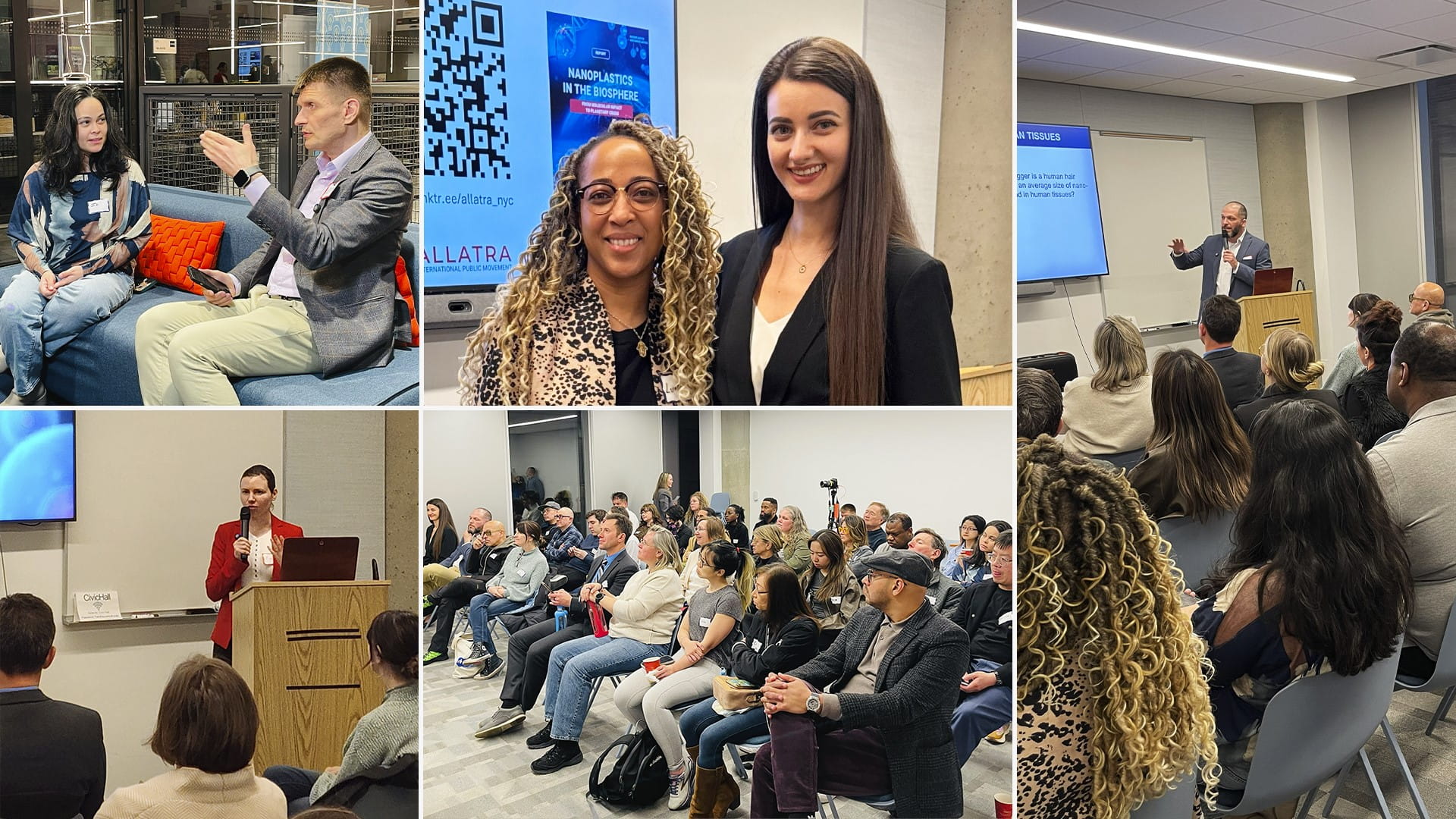
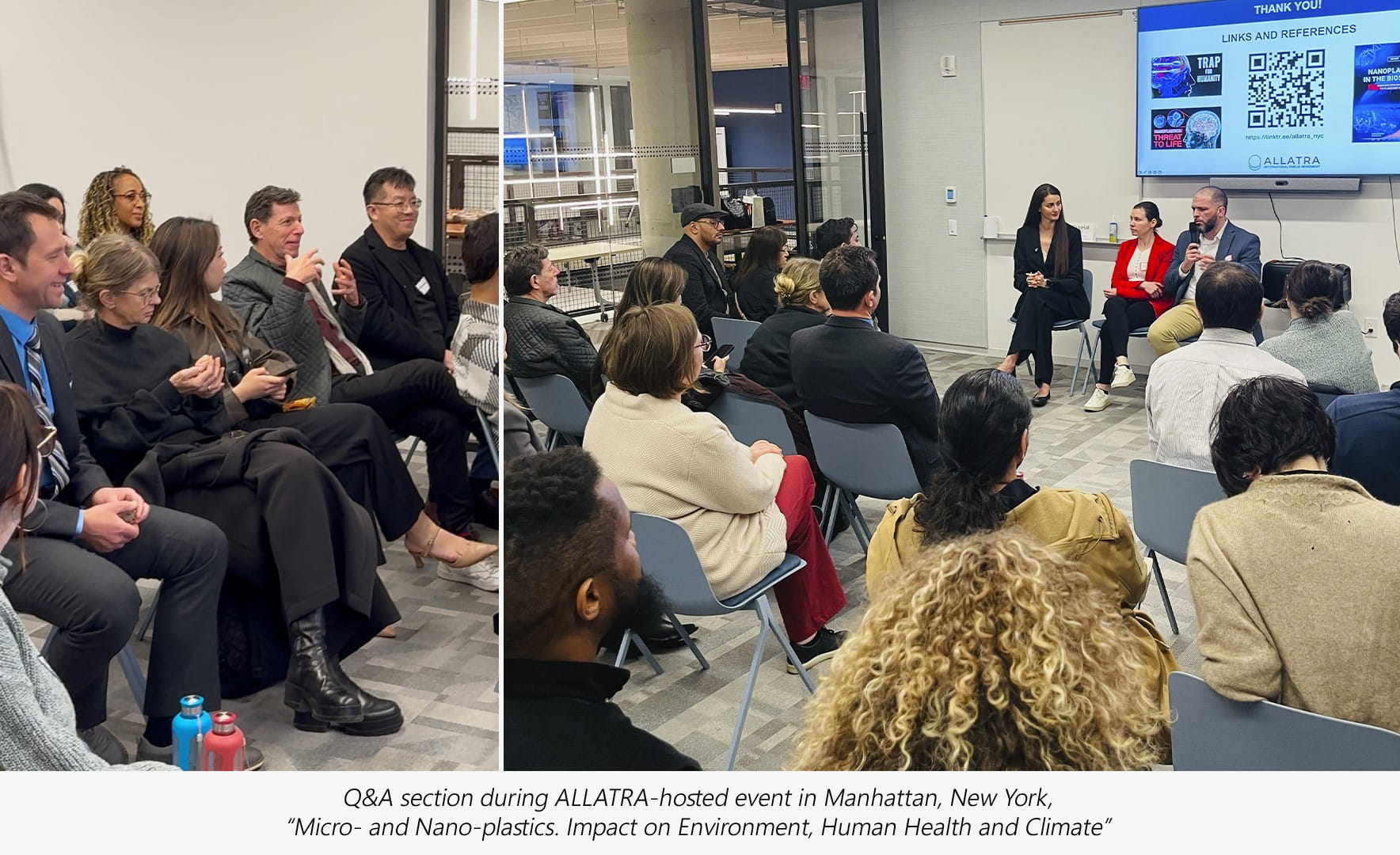
New York, March 27, 2026 — ALLATRA New York hosted a free community event at Civic Hall, bringing together New York City residents for an evening of science, dialogue, and open discussion. Speakers from the ALLATRA International Public Movement (IPM) presented the latest research on how micro- and nanoplastics (MNPs) affect the human body and why they are far more consequential than most people realize. The presentation drew from the documentary “Nanoplastics: A Threat to Life,” released by the ALLATRA Global Research Center, which examines the widespread presence of MNPs and their potential consequences for human health and ecosystems.
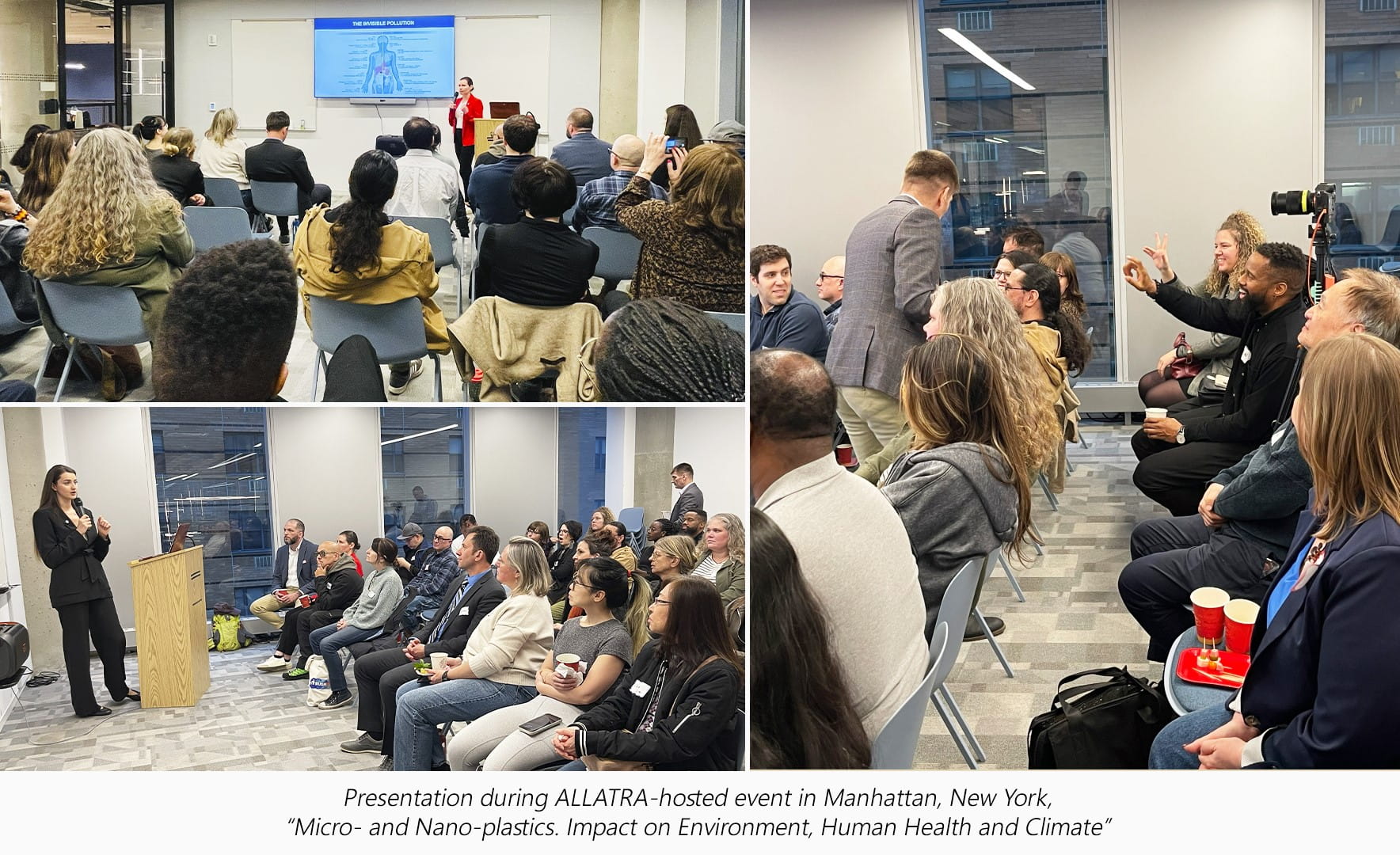
The evening opened with an overview of how these particles enter the human body through air, water, and food, and accumulate in various organs over time. Evelina Cherif, a speaker from ALLATRA IPM, noted that MNPs have been detected in multiple organs, with the highest concentrations reported in brain tissue. She also referenced research from the American Academy of Neurology, which suggested that residents of coastal areas—where concentrations of MNPs in air, soil, and water tend to be higher—may face elevated rates of cognitive impairment, motor disorders, and difficulties with independent living.
While public discussions often focus on the chemical toxicity of plastics, Oli Kotik, another speaker from ALLATRA IPM, highlighted a less-discussed aspect of MNPs: their electrostatic charge. Through her presentation, she explained how this charge can help plastic particles penetrate cells, bind to DNA and proteins, and disrupt electrical signaling critical for thought, movement, and immune function.
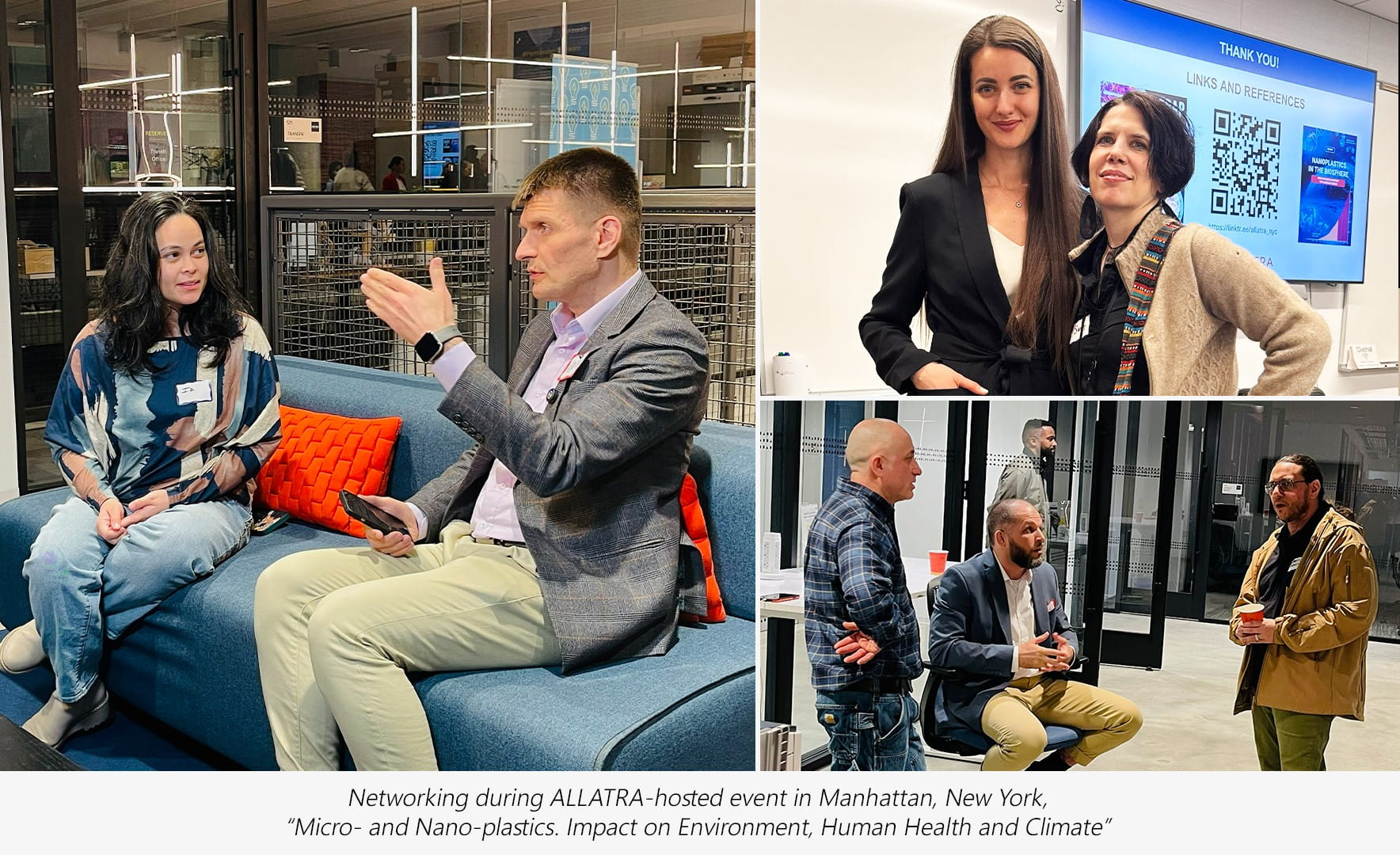
For attendees, these insights resonated on a personal level. Iz Garcia, an artist from Queens, said: “The fact that it's not just micro—it’s nano. The fact that it’s in ourselves, the fact that plastic has energy and it’s taking our energy—it was profound. It just blew me away.” The event left a lasting impression, and she plans to channel what she learned into her work.
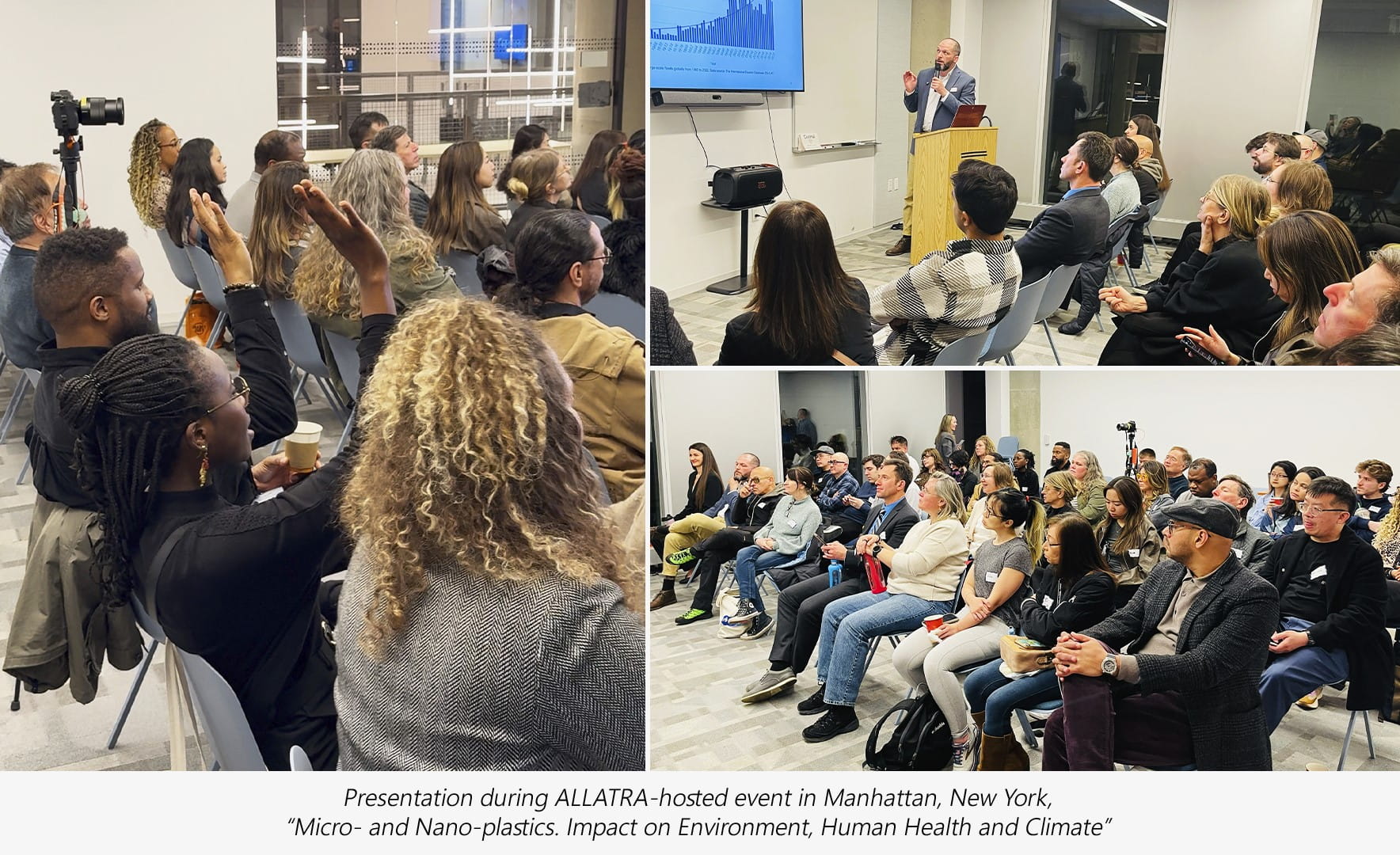
The discussion also expanded beyond human health to the environment, as Steven Kasten, a speaker from ALLATRA IPM, explained how MNPs in the atmosphere can act as condensation nuclei—potentially altering how raindrops form and contributing to prolonged droughts, more intense rainfall, larger hailstones, and more severe storms. As the full scope of the issue came into focus, audience questions turned to potential solutions, including recycling. While widely viewed as a key mitigation strategy, he explained that the process may accelerate the problem, as mechanically stressed recycled plastics can shed MNPs more rapidly than virgin materials.
The speakers outlined several priority areas for action, including the development of standardized monitoring frameworks, international alignment on research protocols, and the integration of MNPs into climate models, which do not yet incorporate them. They also emphasized the role of public awareness in driving change.
The Harvard Six Cities Study, for example, linked air pollution to reduced life expectancy, and the public pressure that followed led to stricter U.S. air quality standards in 1997. Similarly, asbestos and lead remained in widespread use long after their risks were well documented, with regulatory action driven largely by growing public concern. Together, these examples highlight a consistent pattern: while science identifies risks, meaningful policy change often follows increased public awareness and engagement.
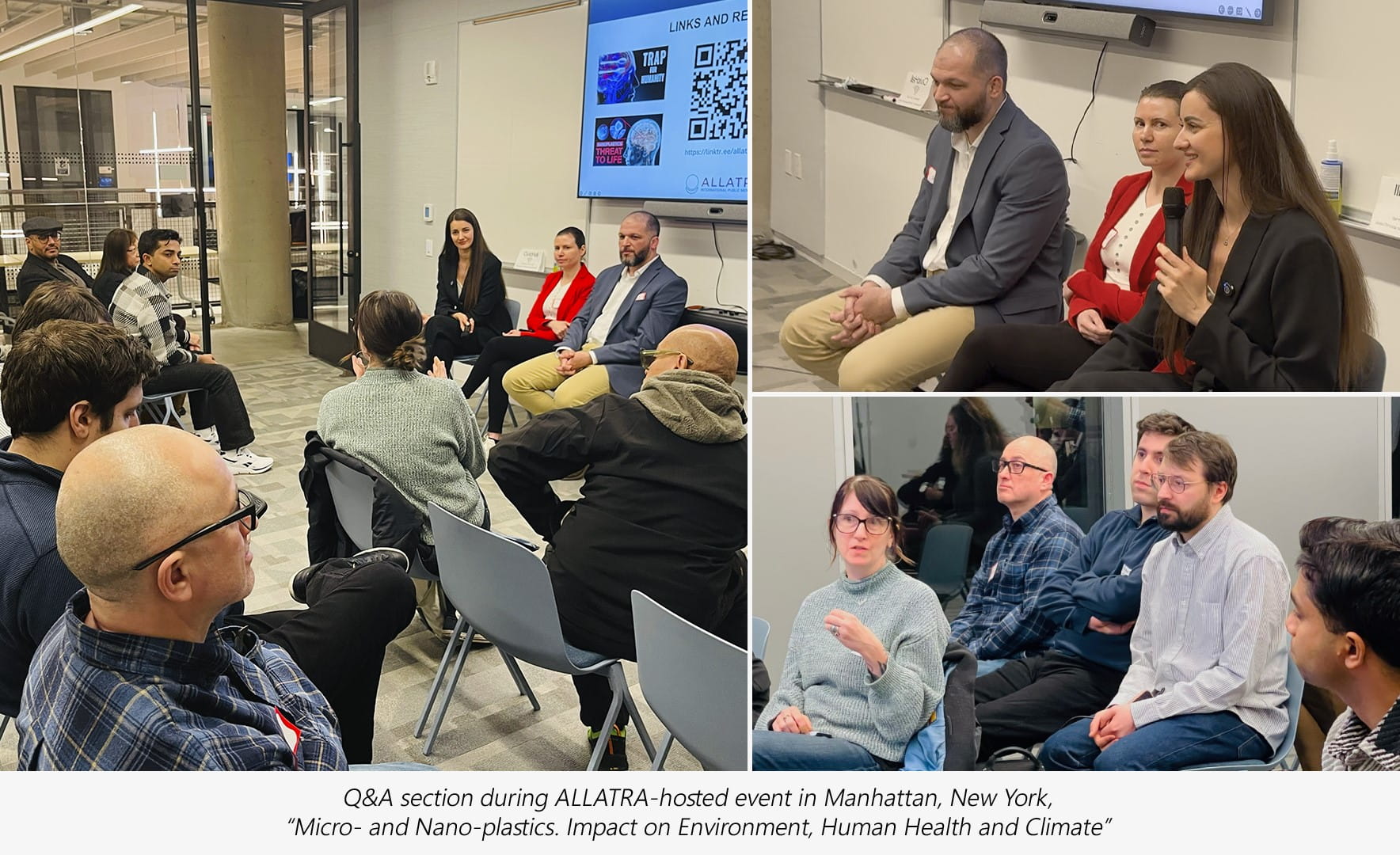
That sentiment was echoed by Roman Solonyy, who attended the event to learn more about the topic. Reflecting on why events like this matter, he said: “This kind of event brings together people from different backgrounds and experiences. When that knowledge comes together, it can help move us forward faster.”
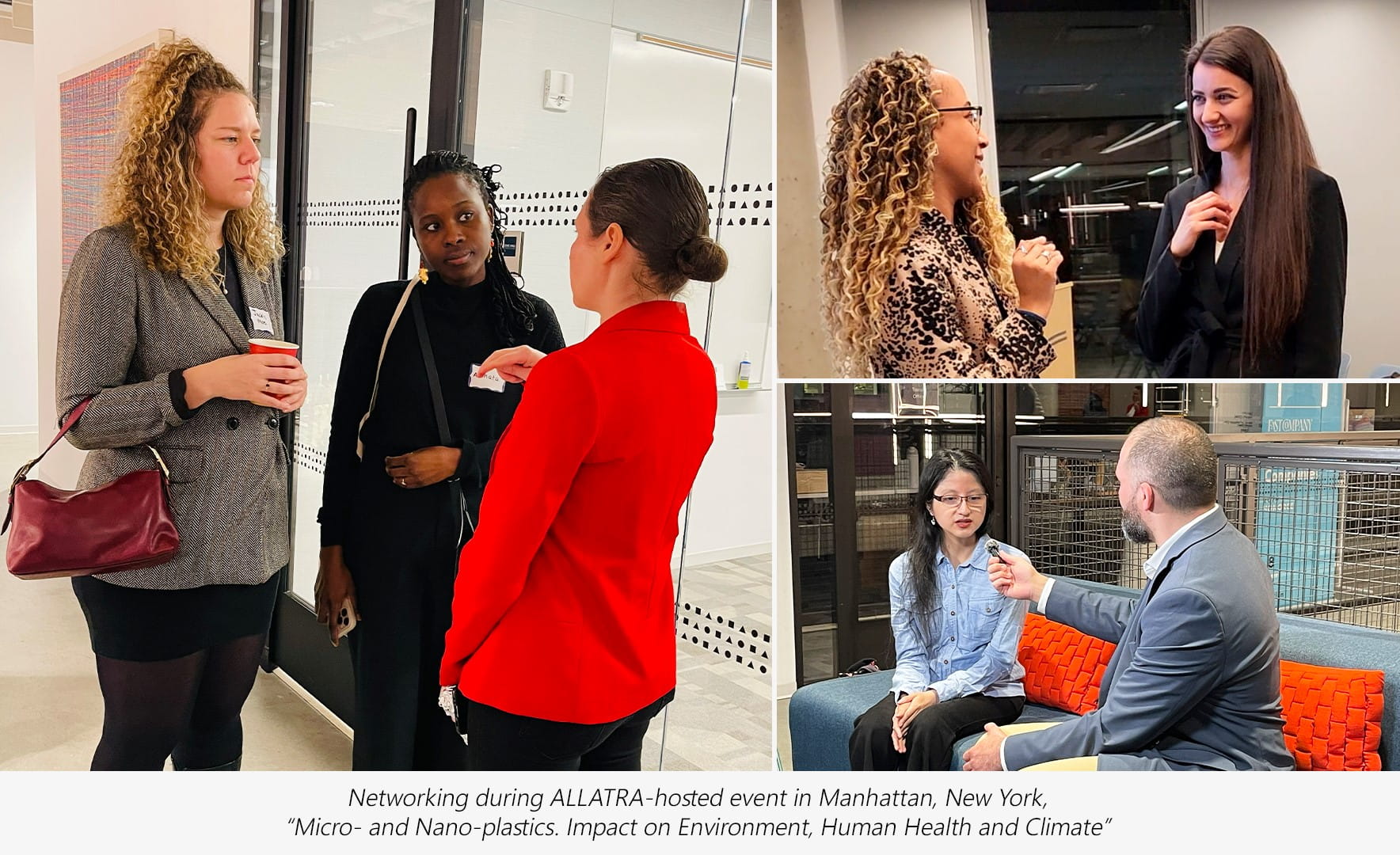
ALLATRA extends its sincere gratitude to Civic Hall for hosting and co-organizing this event. Their continued support for dialogue on environmental and public health issues reflects a strong commitment to civic engagement and community well-being.
About Civic Hall
Civic Hall is a state-of-the-art institution in Union Square, New York. It was founded with a simple idea: to bring people together around opportunities for growth, learning, and community.
Today, Civic Hall is driven by a shared purpose—to unlock the power of possibility in a space as diverse as the city it serves. From hosting educational programs and startup companies to organizing art exhibitions and community events, it provides a platform where ideas can grow and communities can thrive.
About ALLATRA
ALLATRA is an international organization with a research center in the United States (ALLATRA Global Research Center), engaged in the comprehensive analysis of climate and environmental changes, the study of the impact of micro- and nanoplastics, and the promotion of intercultural cooperation and the protection of fundamental human rights and freedoms.
In recognition of its commitment to environmental protection and preservation of creation, ALLATRA received an Apostolic Blessing from His Holiness Pope Francis in 2024. In 2025, His Holiness Pope Leo XIV likewise bestowed an Apostolic Blessing upon the President of ALLATRA and all its volunteers.
For media inquiries, please email us at [email protected]