

Nanoplastics Conference at the European Parliament, organized by MEP Ondřej Knotek and ALLATRA GRC
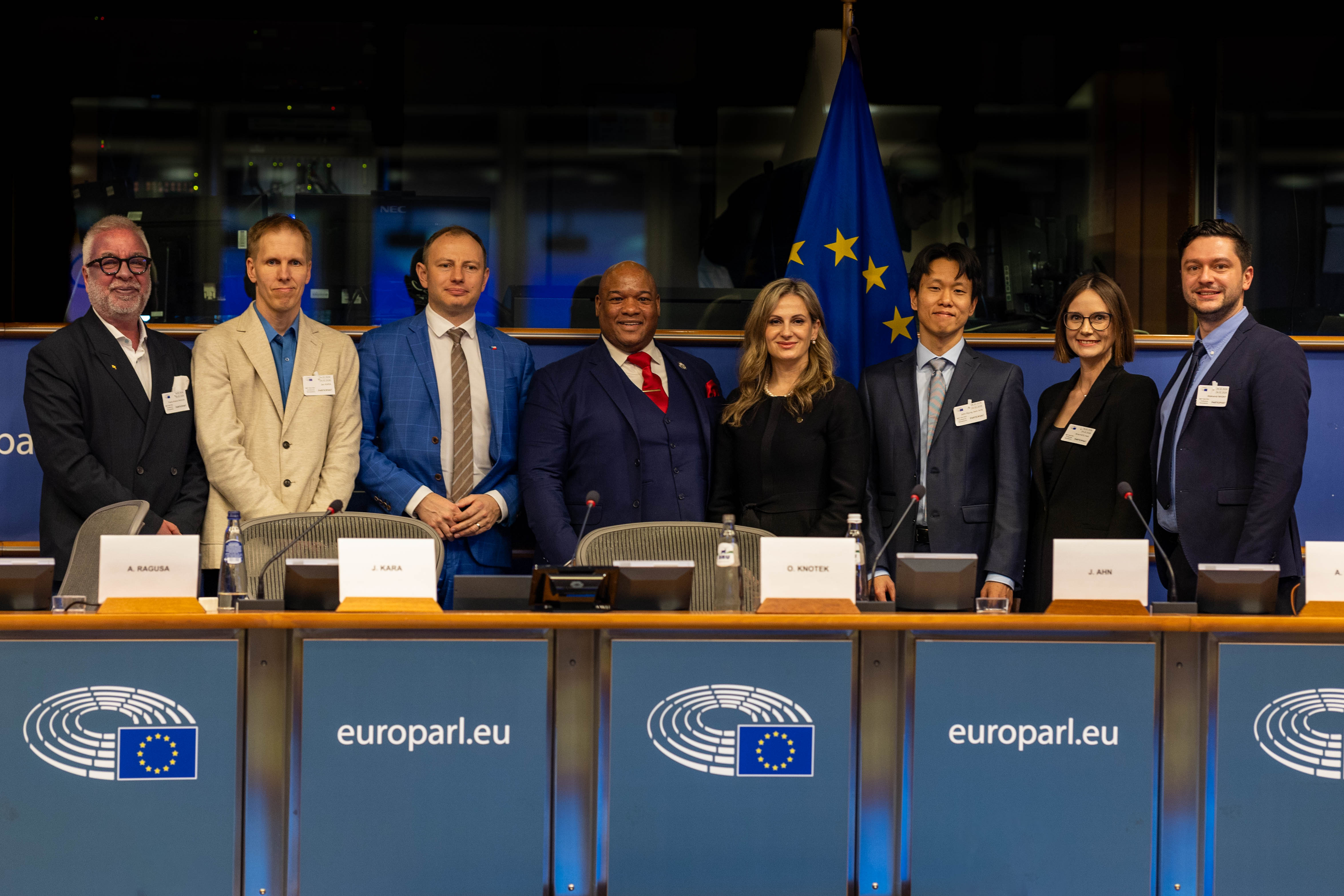
A. Ragusa, J. Kára, O. Knotek, M. Burns, M. Ovtsynova, J. Ahn, A. Kotlyar, and A. Masny at the European Parliament during the conference “NANOPLASTICS: HIDDEN CONNECTIONS AND EMERGING RISKS”
BRUSSELS, Belgium – On February 24, 2026, the European Parliament became the venue for a key international dialogue. The expert conference titled “NANOPLASTICS: HIDDEN CONNECTIONS AND EMERGING RISKS” opened a discussion on one of the most pressing environmental and public health issues of our time.
Held under the auspices of Member of the European Parliament Ondřej Knotek and in close cooperation with the ALLATRA Global Research Center, the event brought together leading scientists from around the world and Members of the European Parliament.
The aim of the conference was to draw attention to the growing threat of micro- and nanoplastics as an invisible yet increasingly serious form of pollution that goes beyond the scope of traditional environmental and health issues. Experts emphasized that these particles now penetrate the air, water, food chains, and the human body, posing a complex challenge to both human health and the stability of natural systems. They also pointed to the need to seek constructive solutions for future legislation and research, particularly in light of the unprecedented invisible pollution of the Mediterranean Sea by micro- and nanoplastics. The concentration of microplastics in its surface waters is four times higher than in the area of the so-called Great Pacific Garbage Patch.
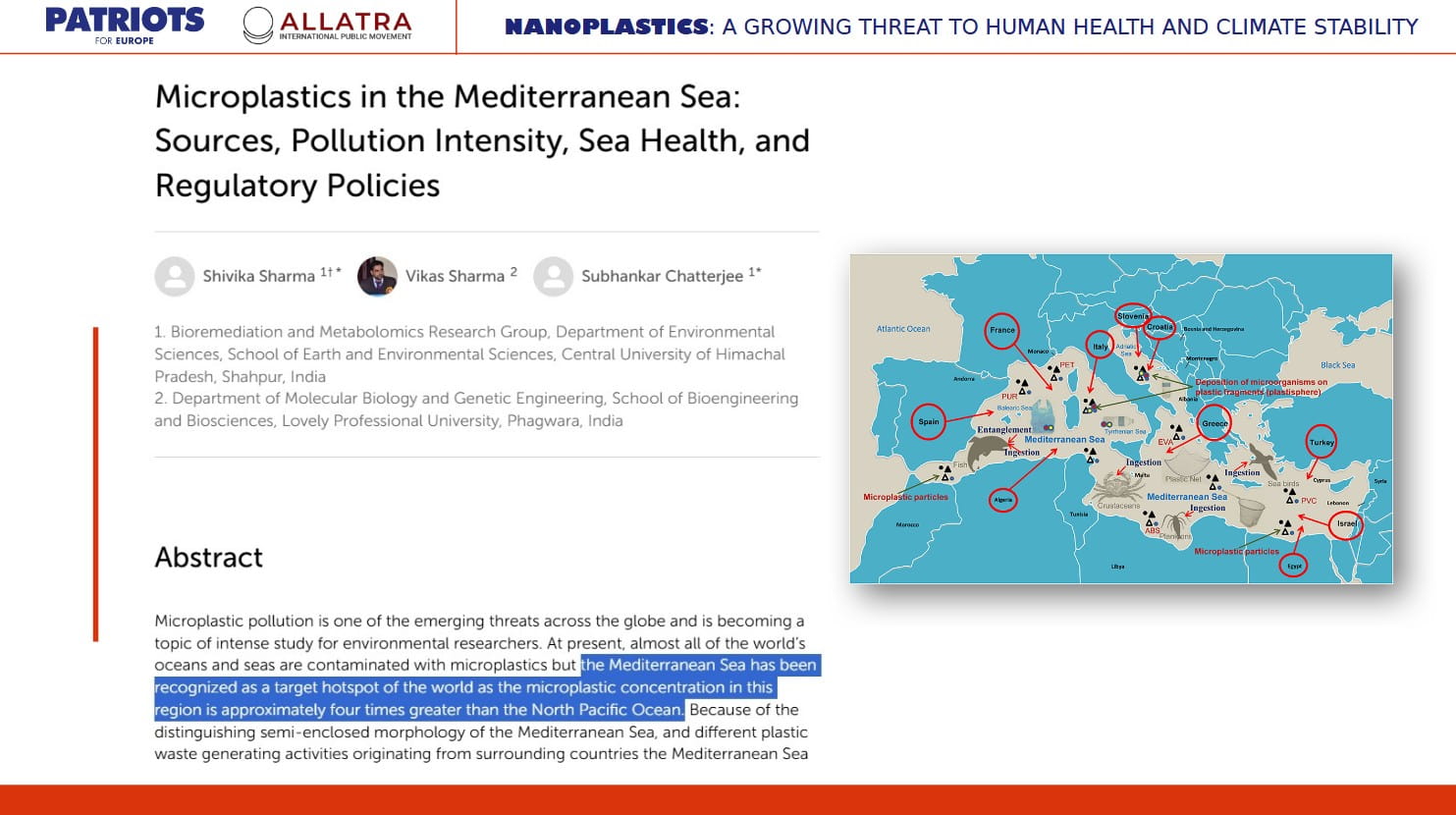
Microplastics in the Mediterranean Sea
The conference opening featured addresses by the event organizer, Ondřej Knotek, Member of the European Parliament and member of the Patriots for Europe political group; Pastor Mark Burns, Chairman of the Spiritual Diplomats initiative and spiritual advisor to the U.S. President Donald Trump; and Maryna Ovtsynova, President of the ALLATRA International Public Movement and an expert on global risk strategy.
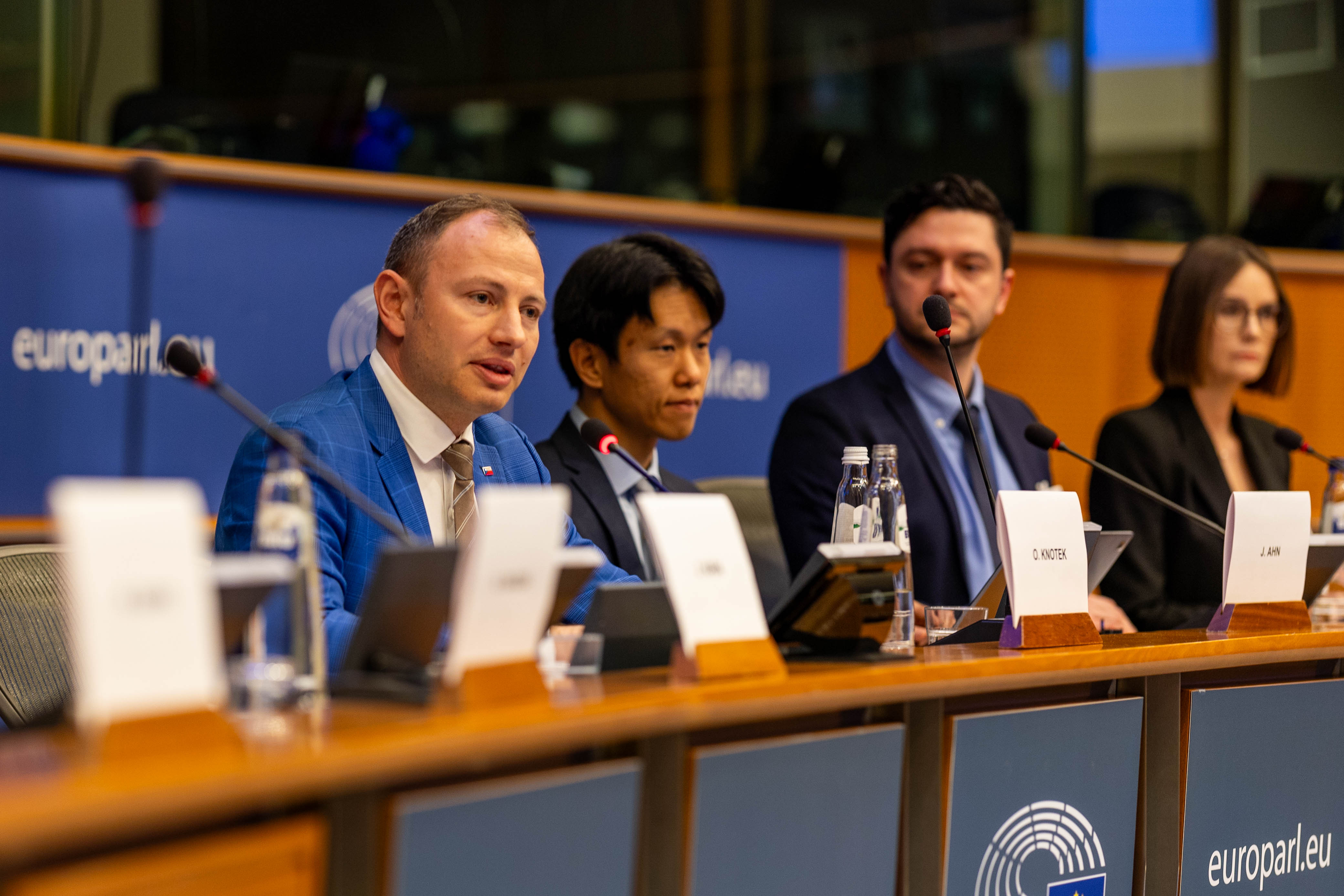
From left to right: O. Knotek, J. Ahn, A. Masny, and A. Kotlyar at the European Parliament during the conference “NANOPLASTICS: HIDDEN CONNECTIONS AND EMERGING RISKS”
In his opening remarks, MEP Ing. Ondřej Knotek (Czech Republic) emphasized that, in his view, climate policy should not focus solely on rapid emissions reduction without taking into account costs, broader impacts, and other factors that influence climate and public health. “There are other elements that are also involved in climate stability, and this is fully being ignored“, stated MEP Knotek.
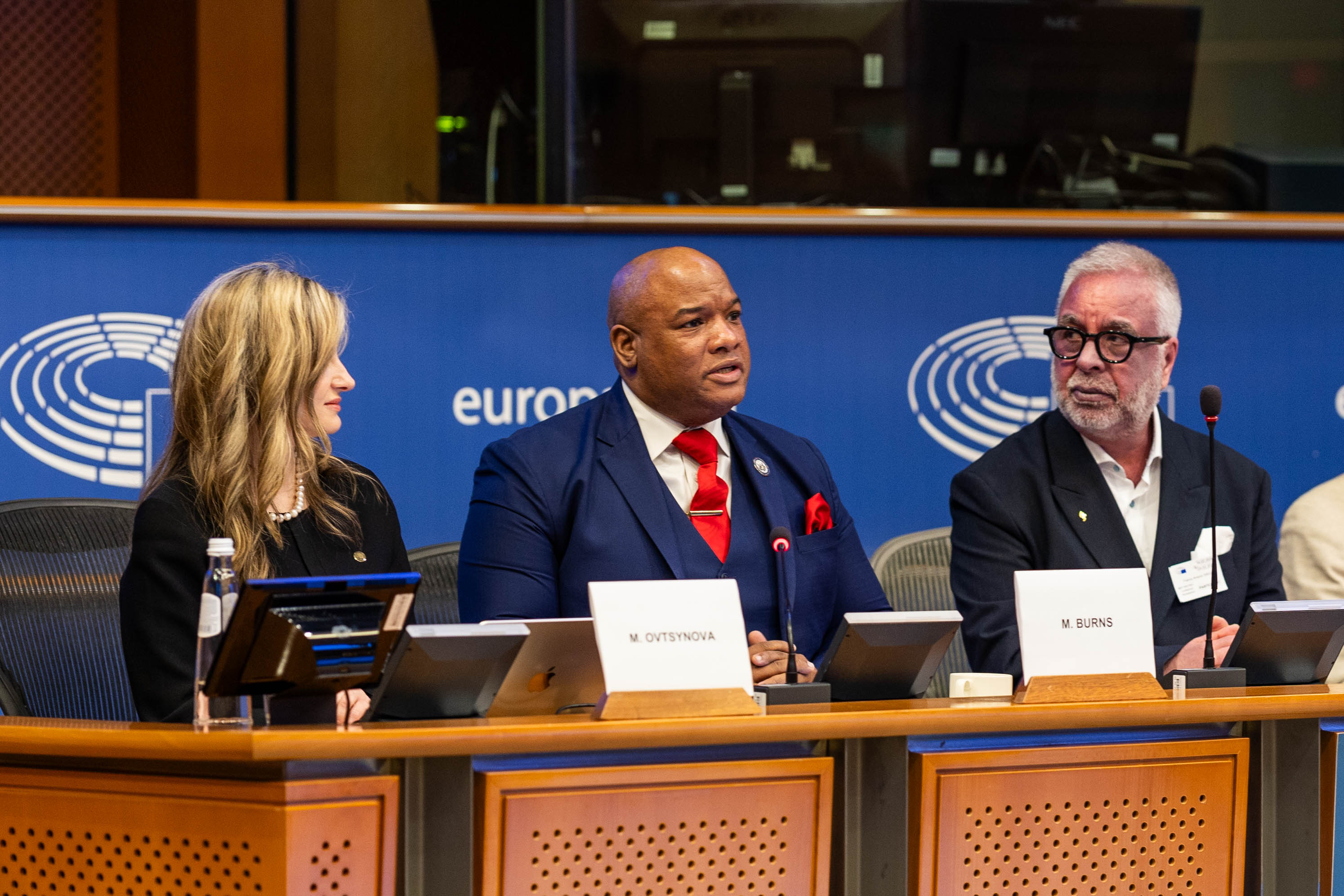
M. Ovtsynova, M. Burns, and A. Ragusa at the European Parliament during the conference “NANOPLASTICS: HIDDEN CONNECTIONS AND EMERGING RISKS”
Pastor Mark Burns (USA) described nanoplastics as an invisible threat that is already affecting the daily lives of people around the world and emphasized the moral and social dimension of protecting health and future generations. In his remarks, he stated: “The global initiative, Spiritual Diplomacy, which I have the privilege to chair, has recognized the nanoplastics issue as one of the key areas of work.” He also added: “Nanoplastics are not a left or right issue. Not religious or secular. We believe this is a moral obligation to protect life, to protect health, and to speak early — not after the cost becomes irreversible.”
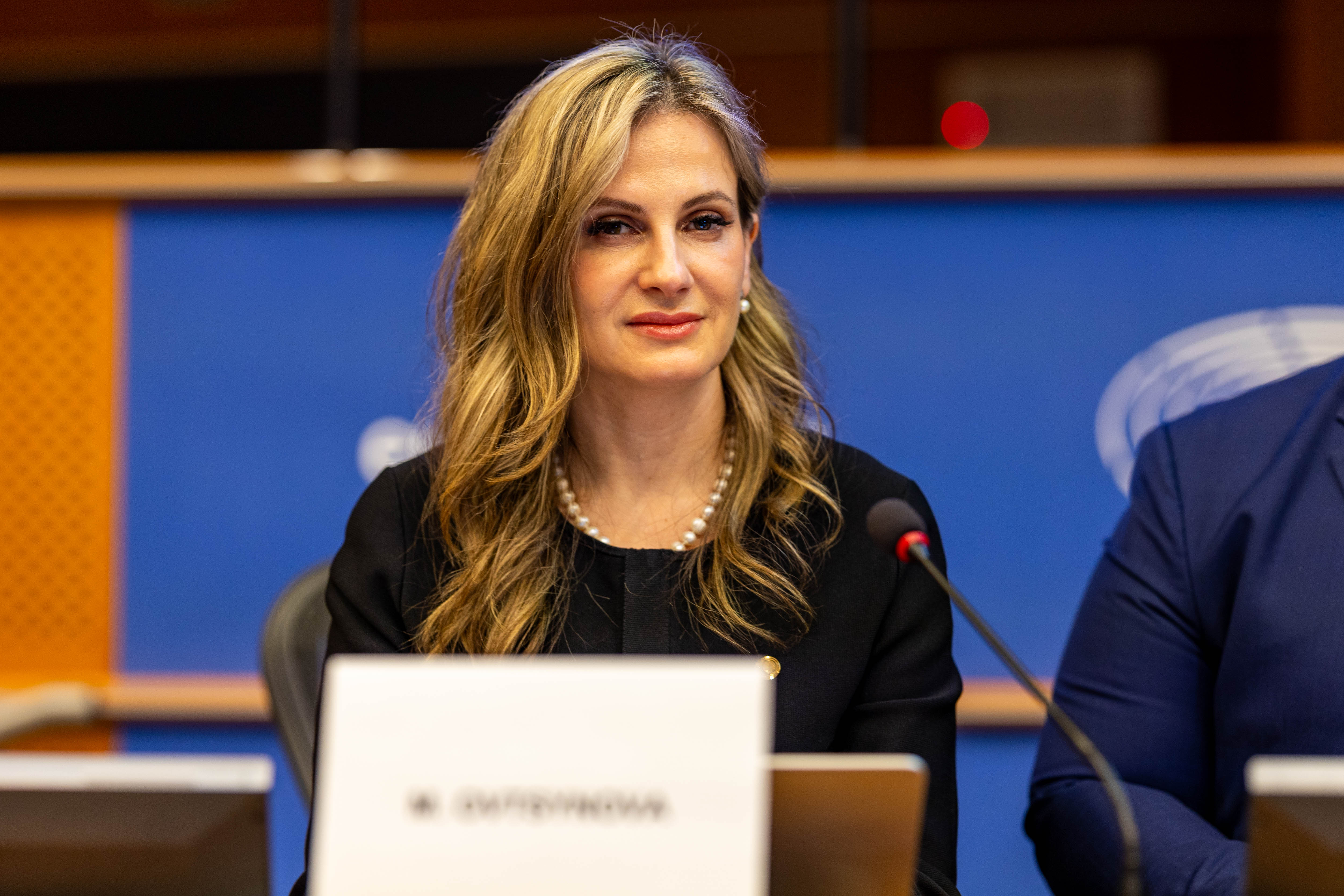
Maryna Ovtsynova at the European Parliament during the conference “NANOPLASTICS: HIDDEN CONNECTIONS AND EMERGING RISKS”
ALLATRA IPM President Maryna Ovtsynova (USA) presented the work and expertise of the ALLATRA GRC. “Also, joining me at this podium today are representatives of our research center who have traveled here from the United States, Israel, Germany, and Czech Republic. And you need to understand: while they represent only a portion of a much broader international scientific consortium, one that includes experts affiliated with leading institutions around the world, they are here to present the collective research findings and analytical conclusions of the ALLATRA Global Research Center, including a comprehensive assessment of the potential consequences of micro- and nanoplastic proliferation for human health and ecosystem integrity.”
The conference continued with four expert panels where speakers presented research findings and the conclusions of a study focused on micro- and nanoplastics in the biosphere, their impact on human health, the environment, and global natural processes, as well as first steps toward the solutions.
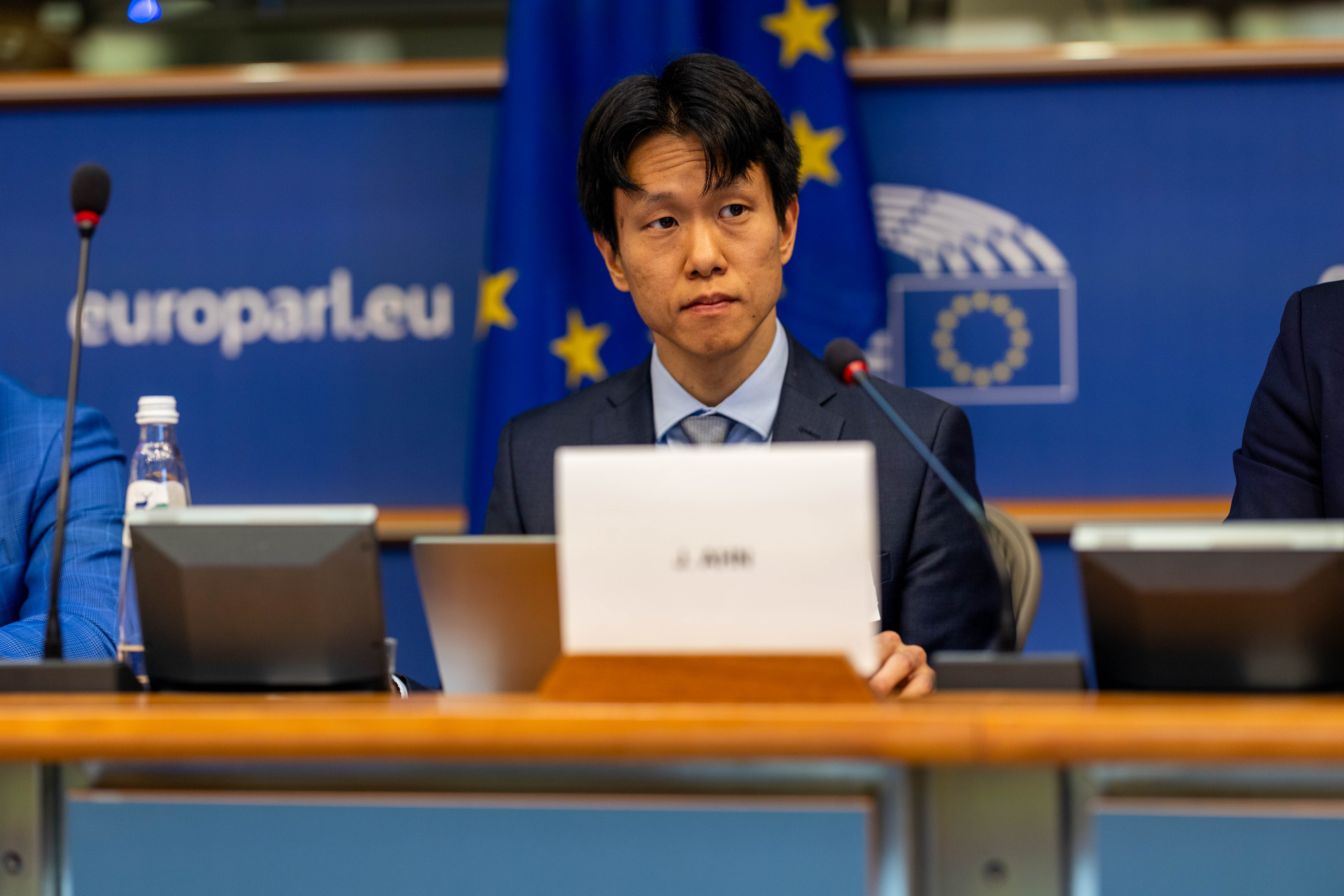
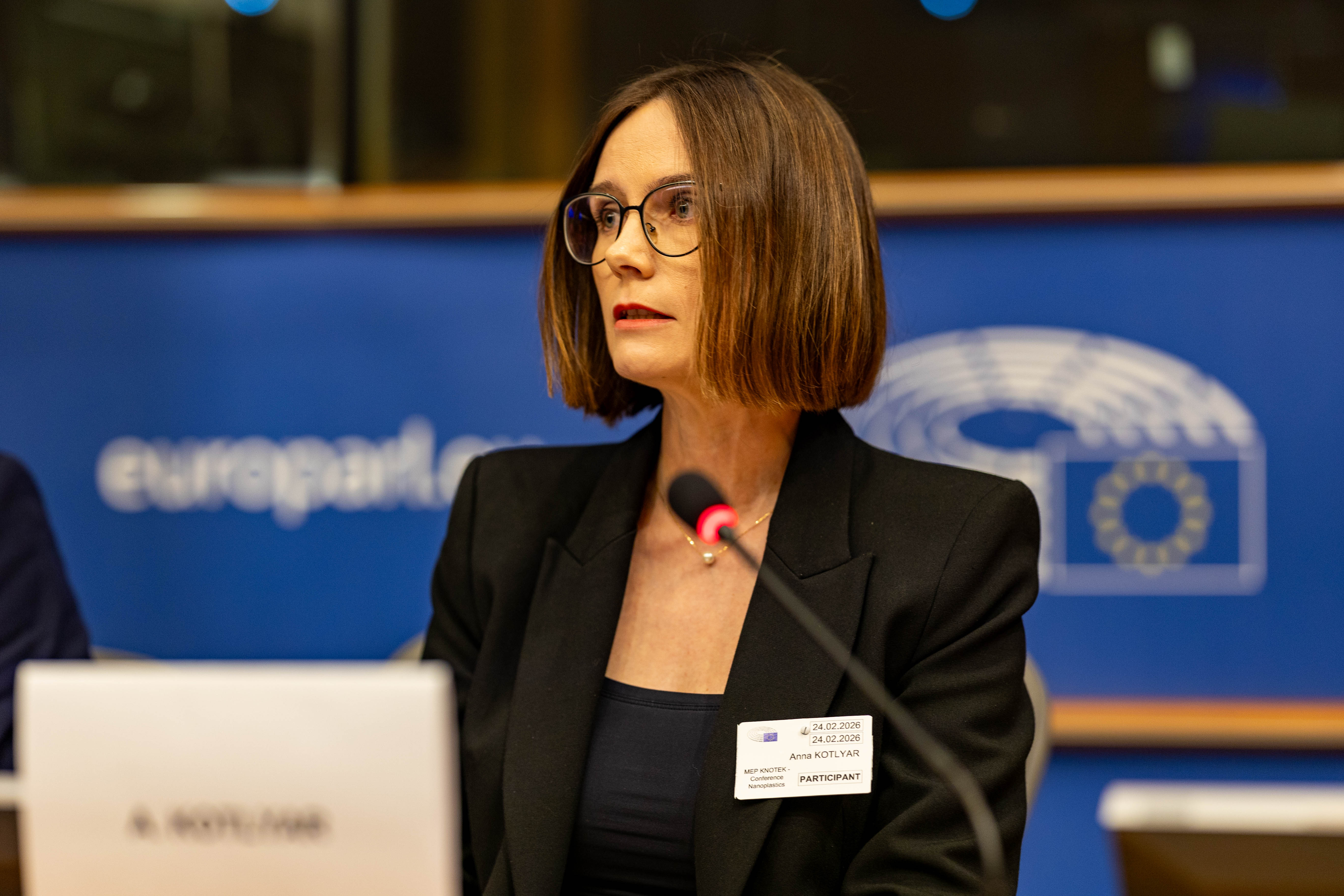
John Ahn and Anna Kotlyar at the European Parliament during the conference “NANOPLASTICS: HIDDEN CONNECTIONS AND EMERGING RISKS”
MICRO- AND NANOPLASTICS: INVISIBLE POLLUTION
In the first block, experts focused on micro- and nanoplastics as invisible pollution and explained why plastic particles are becoming a biological and health-related factor of global significance.
Dr. John Ahn, Ph.D., MBA (USA) stated: “When they enter the bloodstream, these particles can circulate through the body. They've been detected across multiple tissues and organ systems, including the liver, kidneys, heart and blood vessels, placenta, and breast milk.”
Anna Kotlyar, MSc (Israel) highlighted: “Consequently, micro- and nanoplastics should be considered not as a local waste problem, but as a new physical and chemical factor on a planetary scale.”
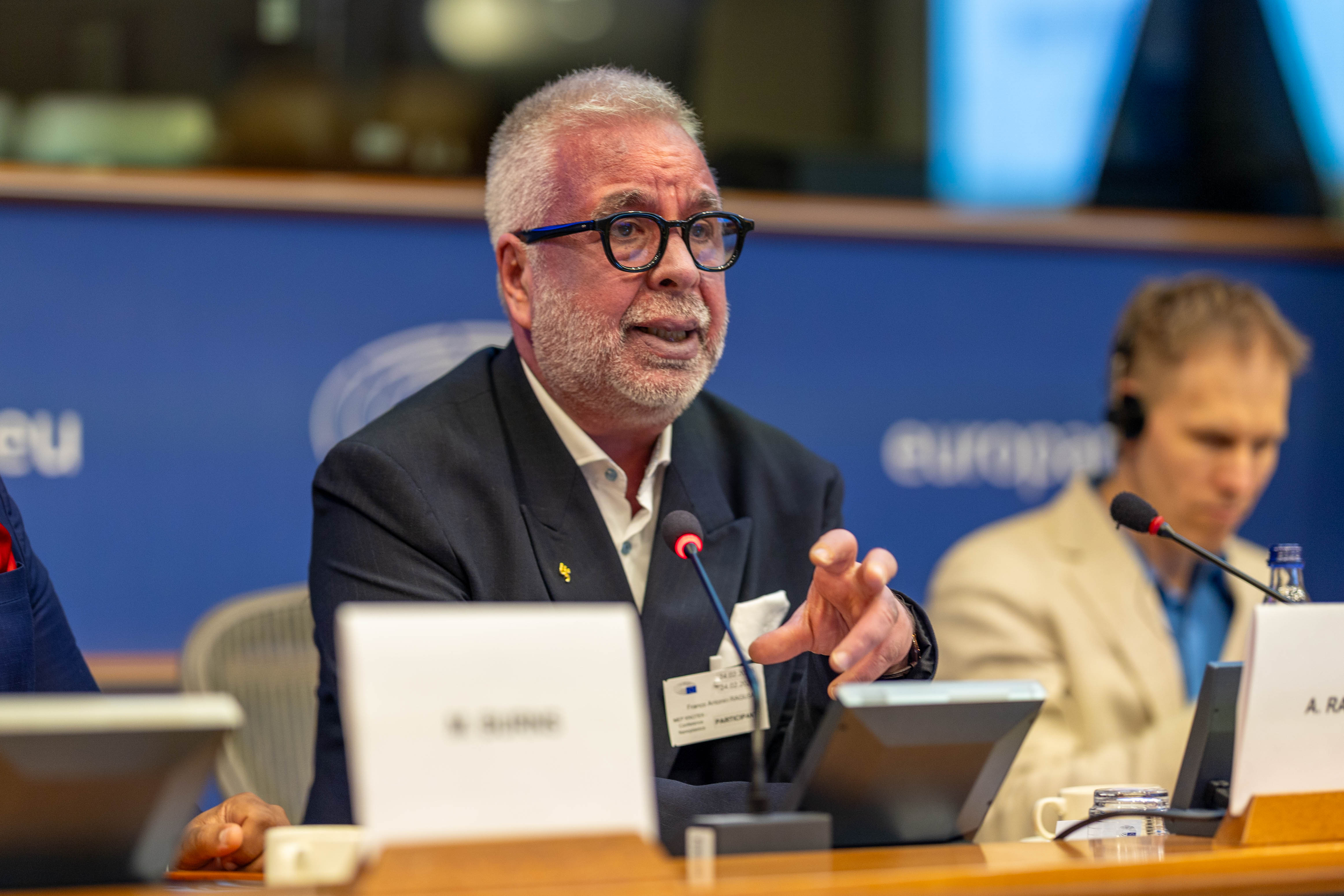
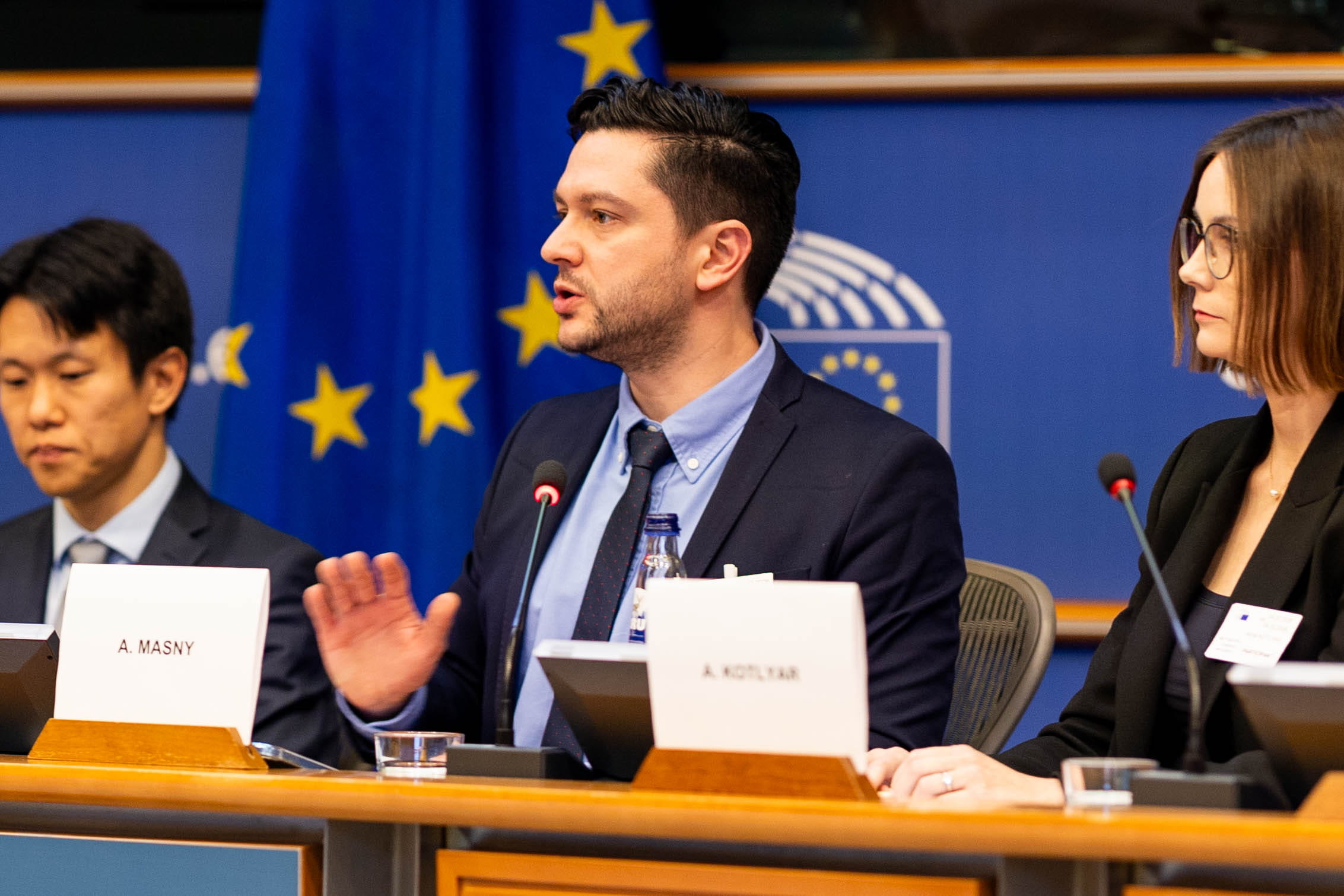
Antonio Ragusa and Alexander Masny at the European Parliament during the conference “NANOPLASTICS: HIDDEN CONNECTIONS AND EMERGING RISKS”
HOW MICRO- AND NANOPLASTICS AFFECT HUMAN HEALTH
The second block focused on the impact of micro- and nanoplastics on human health, including cellular damage mechanisms, and presentation of key medical findings.
Alexander Masny, MSc (Germany) pointed out a crucial finding regarding micro- and nanoplastics: due to their extremely small size and electric charge, nanoplastic particles can penetrate cells and reach mitochondria. In doing so, they may disrupt the normal function of mitochondria and thus impair the cell’s ability to efficiently produce energy and carry out essential life processes. He emphasized: “The surface charge of micro- and nanoplastics plays an important role in determining their behavior in biological systems.“
In 2020, a research team led by Prof. Antonio Ragusa, MD (Italy), published a landmark study that, for the first time, demonstrated the presence of microplastics in human placental tissue. The findings attracted significant international scientific and media attention due to their profound implications. During the conference, Prof. Ragusa presented his research: “Constant exposure to plastic particles has raised concerns about human health, particularly when it comes to birth outcomes. The present study explores the first evaluation of plastic particles in fresh human placentas and its association with fetal growth parameters“. He offered the following comparison: “It is like having a cyborg baby: no longer composed only of human cells, but a mixture of organic and inorganic compounds.”
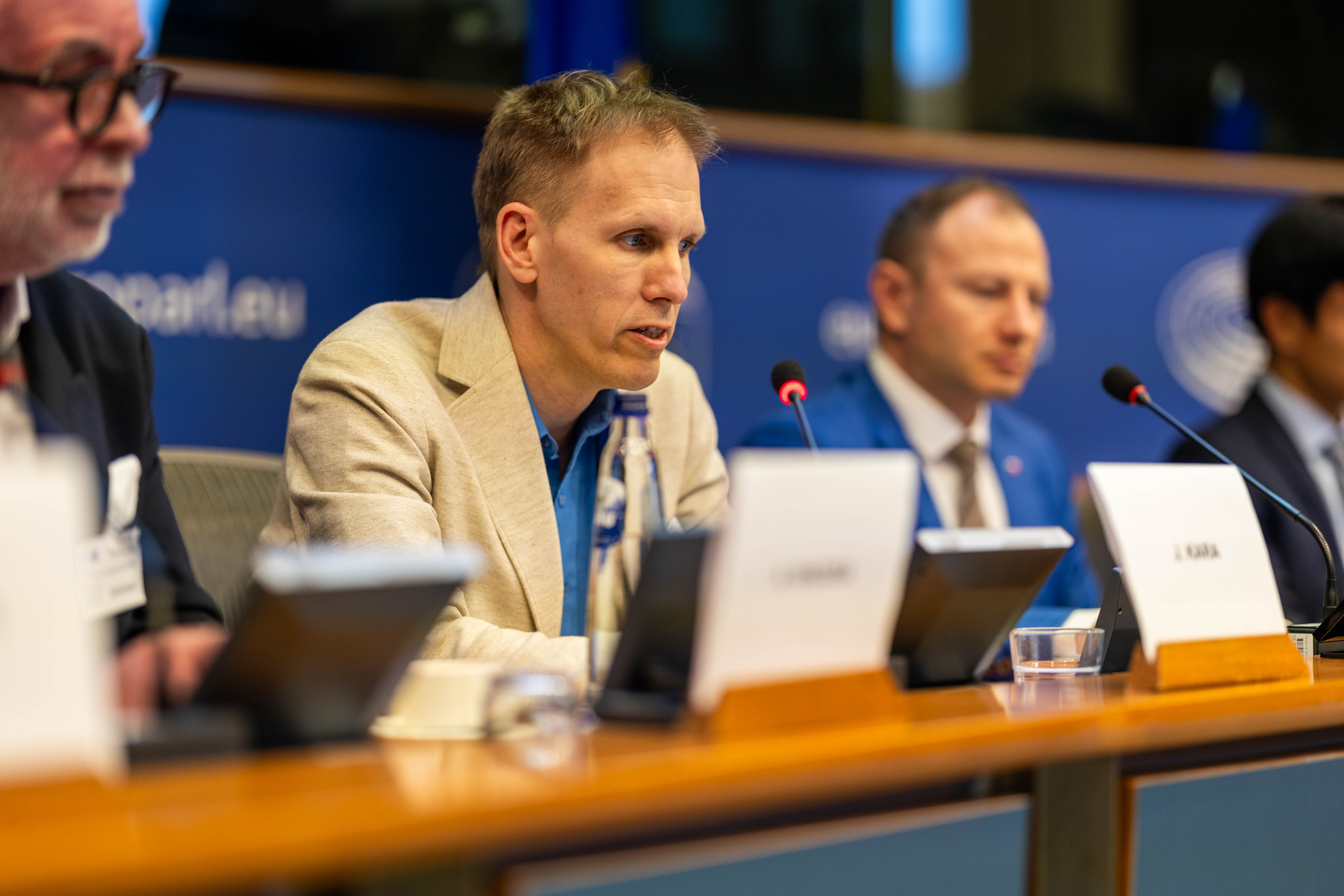
From left to right: A. Ragusa, J. Kára, and O. Knotek at the European Parliament during the conference “NANOPLASTICS: HIDDEN CONNECTIONS AND EMERGING RISKS”
IMPACT OF MICRO- AND NANOPLASTICS ON THE ENVIRONMENT AND ATMOSPHERE & INFLUENCE OF GEODYNAMIC PROCESSES
The third block expanded the discussion to a planetary scale and highlighted the impact of these particles on the environment, the atmosphere, and related natural processes.
As presented by Jan Kára, Ph.D. (Czech Republic), “One fact we already know is that micro- and nanoplastics do affect water cycle and may contribute to more frequent creation of hail and creation of larger hailstones.” Later in his speech, he mentioned a hypothesis that “pollution with micro- and nanoplastics possibly impacts the ocean-atmosphere gas exchange, cloud formation, water cycle, as well as heat transfer within the ocean.” He stated: “According to our estimates, the window of opportunity for substantial progress is several years, not decades.”
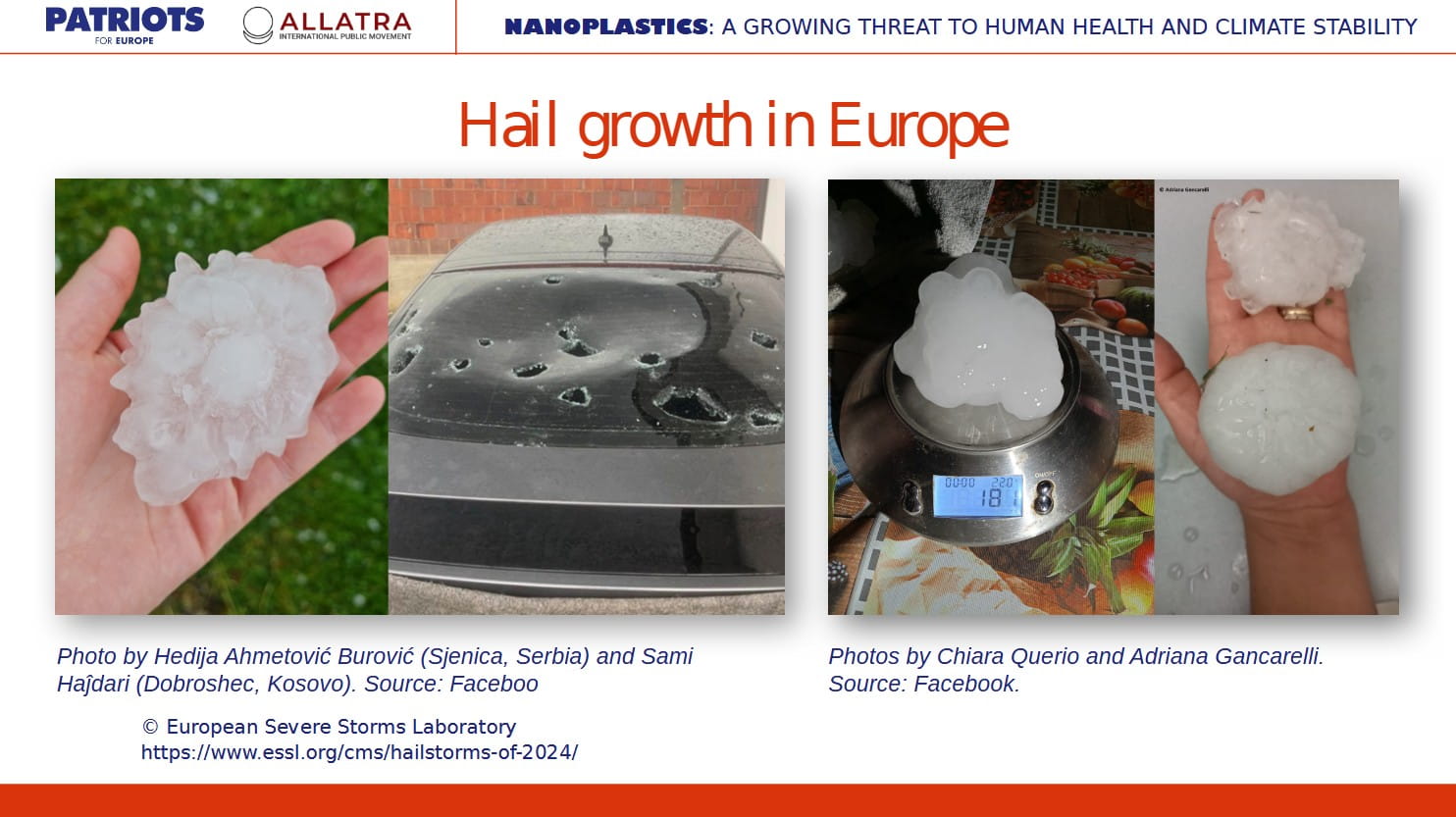
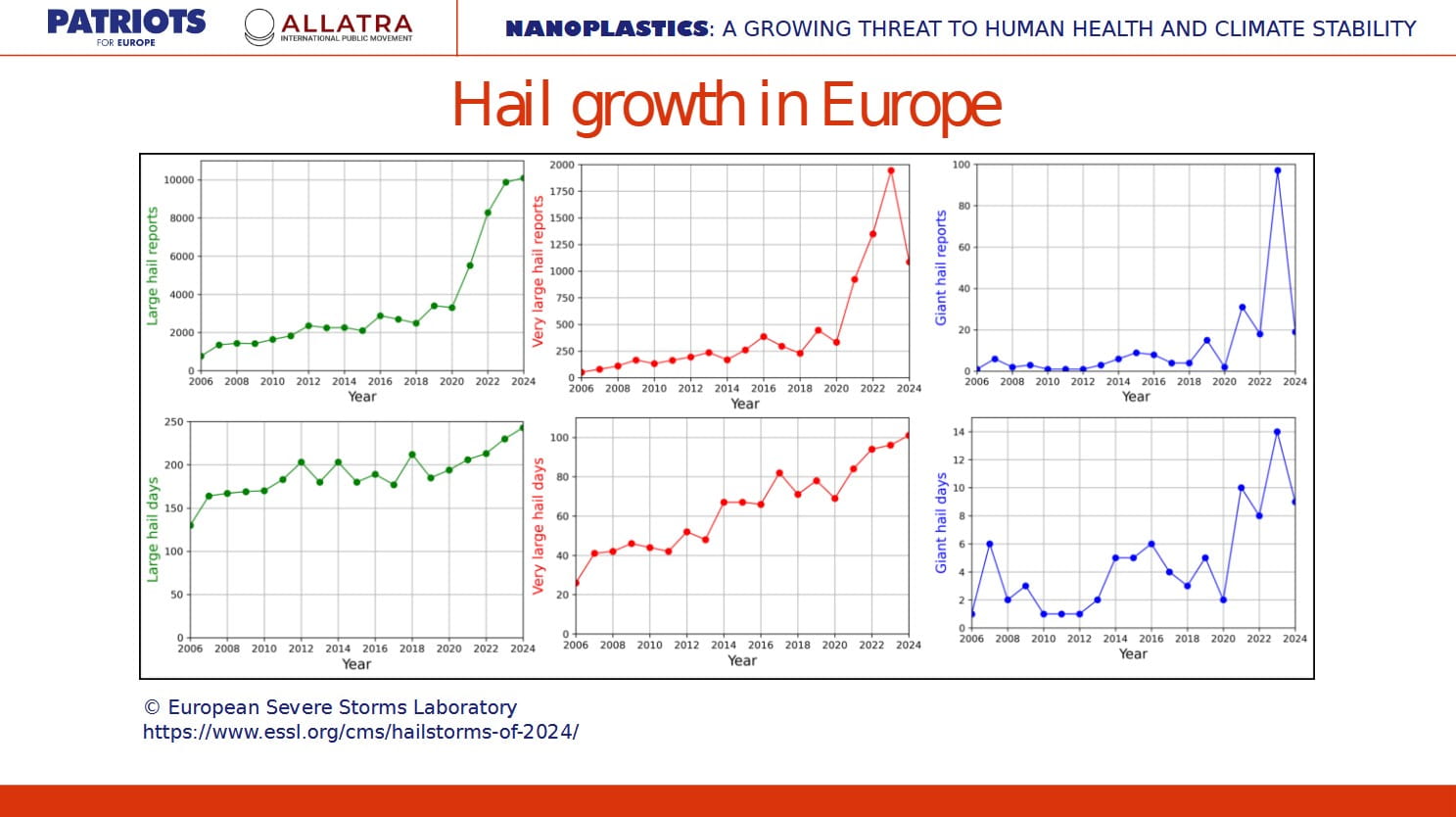
Hail growth in Europe
RESEARCH PROSPECTS AND SOLUTION PROPOSALS
The final, fourth block focused on research prospects, possible solutions, and the need for concrete political and international actions. The discussion emphasized the need to significantly strengthen support for research focused on studying interactions between nanoplastics and biological systems, including the ubiquitous effects of their surface charge, as well as to initiate closer interdisciplinary collaboration between medicine, environmental sciences, and geosciences.
Dr. Jan Kára: “We lack unified European standards for monitoring plastic particles under 10 microns. Each research group uses its own methods, its own classification criteria. Therefore, we cannot compare data from different countries. We cannot create a comprehensive picture of nanoplastic distribution across Europe. Imagine if each country would be measuring temperature using its own scale. We have to develop these standards. We also lack standardized protocols for studying health impacts. We have no unified methodology for assessing the effects of nanoplastics on the human body. Some scientists study effects on liver, others on lungs, yet others on the brain, but all use different approaches. Without unified protocols, we cannot obtain reliable and reproducible results for making informed decisions."
In the conference conclusion, speakers highlighted the necessity of integrating the risks of nanoplastics into European policy and regulatory frameworks in environmental protection and public health. An important topic was also the need to increase public awareness and to strengthen institutional transparency in communicating evidence-based environmental threats.
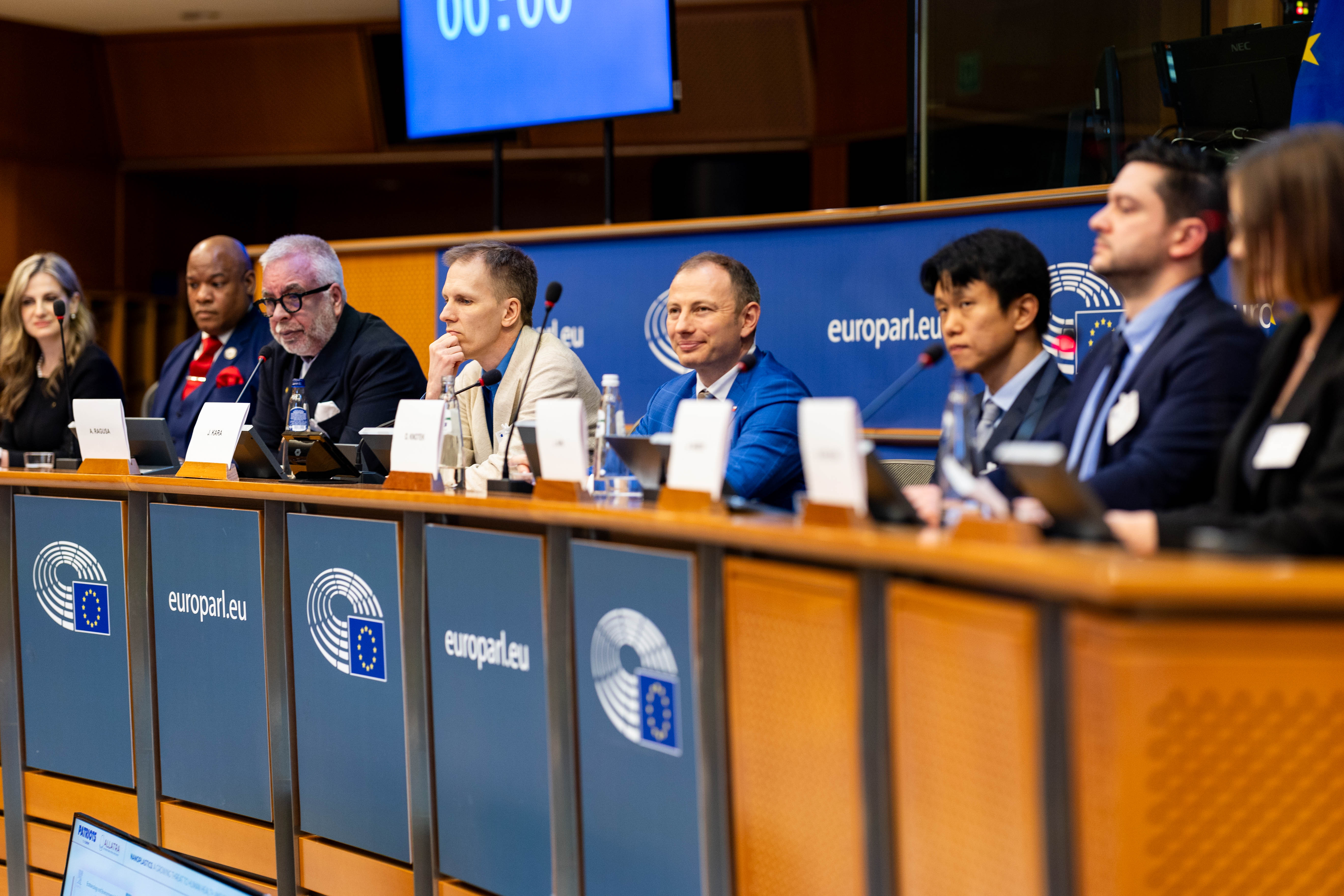
M. Ovtsynova, M. Burns, A. Ragusa, J. Kára, O. Knotek, J. Ahn, A. Masny, and A. Kotlyar at the European Parliament during the conference “NANOPLASTICS: HIDDEN CONNECTIONS AND EMERGING RISKS”
The event included a discussion with an audience where the question was raised as to what can realistically be done in this area and whether stronger pressure from below is needed, i.e., greater public involvement rather than expecting politicians to change their approach on their own.
Ondřej Knotek reiterated that the problem of micro- and nanoplastics is politically ignored because it is not directly visible and at the same time undermines existing ideological frameworks, such as the interpretation of climate change closely linked to fossil fuels.
According to him, politicians are reluctant to change their positions because doing so would mean admitting that they did not tell the whole truth in the past, and they would risk losing support. He noted that while in the business environment, adjusting strategy is a natural response to new findings, in politics, changing course is often perceived as a loss.
As a solution, Knotek emphasized the need for stronger bottom-up public pressure that would motivate political representatives across party lines to take active steps on this issue. “So, it is a strong occasion for the public to be more vocal on this topic. That's my answer,” he concluded.
Maryna Ovtsynova, President of the ALLATRA International Public Movement, also invited all conference participants to engage in a responsible, professional, and constructive dialogue in addressing this challenge.
Speakers of the conference
Ing. Ondřej Knotek — organizer of the conference, Member of the European Parliament, member of Patriots for Europe political group, who has long focused on strengthening competitiveness of the European Union, supporting innovation, and promoting a realistic approach to the energy transition that takes into account its economic, security, and social impacts on Member States and their citizens.
Pastor Mark Burns (USA) — Chairman of the Spiritual Diplomats initiative, spiritual advisor to President Donald Trump, globally recognized Christian leader and international speaker.
Prof. Antonio Ragusa, MD (Italy) — Obstetrician, gynecologist, and the first scientist to identify microplastics in the human placenta, underscoring the direct implications of plastic pollution for human reproduction and development.
Maryna Ovtsynova (USA) — President of ALLATRA International Public Movement and a global expert in risk and climate strategy, specializing in science, governance, and international cooperation. A Harvard-trained leader in public administration and negotiation, she is recognized for her work in climate diplomacy, security, and human rights.
Dr. John Ahn, Ph.D., MBA (USA) — Expert in chemical engineering and sustainable technologies, holding a PhD from the Technical University of Munich, an MBA from INSEAD, and a master's degree from the University of California, Berkeley. Dr. Ahn is a representative of the Scientific Advisory & Research Council of ALLATRA Global Research Center.
Anna Kotlyar, MSc (Israel) — Specialist Degree in Geology and Geography, Southern Federal University, 2006. Anna Kotlyar is a representative of the Scientific Advisory & Research Council of ALLATRA Global Research Center.
RNDr. Jan Kára, Ph.D. (Czech Republic) — PhD in Discrete Mathematics and Algorithms, Charles University 2007, and Master in Computer Science, Charles University, 2003. Dr. Jan Kára is a representative of the Scientific Advisory & Research Council of ALLATRA Global Research Center.
Alexander Masny, MSc (Germany) — Biochemist with a Master of Science in Life Science Informatics, Bonn-Aachen International Center for Information Technology/University of Bonn, 2018. Alexander Masny is a representative of the Scientific Advisory & Research Council of ALLATRA Global Research Center.
About ALLATRA Global Research Center
ALLATRA Global Research Center brings together scientists, researchers, and specialists from different countries to study global challenges, including natural disasters, geodynamic changes, micro- and nanoplastics, and human rights. The Center publishes science-based analyses and recommendations for researchers, policymakers, the media, and the public.
For media inquiries, please email us at [email protected]