


NANOPLASTICS - THREAT TO HUMAN HEALTH AND CLIMATE STABILITY
Conference in the European Parliament
Nanoplastics, Hidden Connections and Emerging Risks

February 24, 2026
6:30pm - 8:30pm CET | Registration starts at 5pm

European Parliament, Brussels, Rue Wiertz 60, Belgium
Conference Organizer: Ing. Ondřej Knotek, Member of the European Parliament, in cooperation with the ALLATRA Global Research Center Think Tank
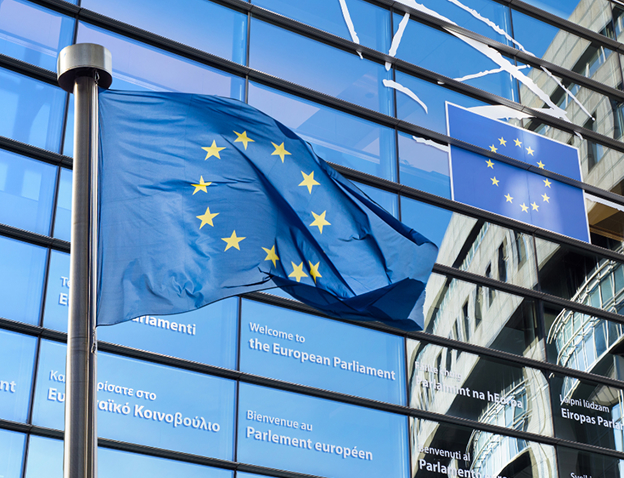
About this event
Nanoplastics are rapidly becoming ubiquitous in our environment, yet their impacts remain insufficiently understood. This conference examines how the physical properties of nanoplastics affect the environment, human health, and climate.
The event brings together experts from science, medicine, and public policy to examine how nanoplastics interact with living organisms and ecosystems, and how these interactions contribute to human health and climate.
It aims to highlight a growing threat that is not sufficiently addressed by current regulatory frameworks and to support informed, evidence-based dialogue within the European Parliament and beyond.

Invisible Pollution
Nanoplastics are now present throughout the environment, including in air, water, soil, and food chains. They have also been detected in practically all the organs of the human body, raising serious concerns about their potential long-term effects on human health and the environment.

Electrostatic Properties
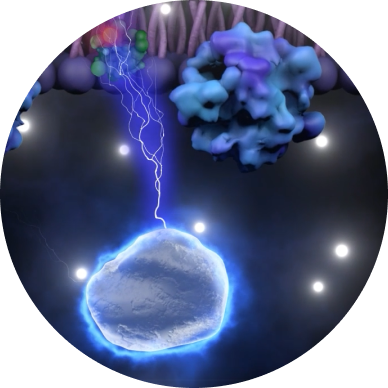
Nanoplastics can carry electrostatic charges on their surfaces, enabling interactions with cellular structures and biological systems that extend beyond chemical toxicity. Such properties may, for example, increase cellular uptake and retention, and facilitate penetration across protective biological barriers.

Global Health Concern
Nanoplastics can enter the human body through inhalation, ingestion, and skin contact. Studies have demonstrated that these particles may act as carriers for pathogens, induce oxidative stress, disrupt mitochondrial function, and cause DNA damage. Consequently, exposure to nanoplastics has been associated with increased risks of cancer, neurodegenerative conditions, cardiovascular disease, and reproductive and fertility disorders.

Implications for Climate
Nanoplastics in the atmosphere and oceans influence aerosol dynamics, cloud formation, and ocean–atmosphere heat exchange, affecting weather patterns and precipitation. Acting alongside natural geodynamic processes—such as tectonic activity, mantle convection, and long-term geological cycles— they increase vulnerability to climate extremes and natural disasters. Incorporating nanoplastics into climate and Earth-system models is essential for effective risk assessment and policy decisions.

The Cost of Inaction
If unaddressed, this overlooked factor could significantly amplify risks to the environment, human health, and climate, likely leading to substantial and escalating economic losses worldwide.

Call to Action
The growing prevalence of nanoplastics underscores the urgent need for greater public awareness, increased research funding and initiatives, open and globally inclusive interdisciplinary scientific collaboration, and comprehensive, forward-looking risk assessment frameworks.

PROF ANTONIO RAGUSA, ITALY
Obstetrician & Gynecologist
MD, Obstetrics Department Sassuolo hospital S.p.A., Modena, Italy

"One of the essential things is the environment we live in, and plastic is one of the most important factors shaping it."
Dr. John Ahn, Ph.D., MBA, USA
Expert of ALLATRA Global Research Center on Climate, Geodynamics,
and Environmental Issues
"Many signs indicate that our planet's energy balance has been disrupted, and natural processes are intensifying exponentially. Consequently, we may have less and less time to respond, and nanoplastics are playing a key role in this acceleration."

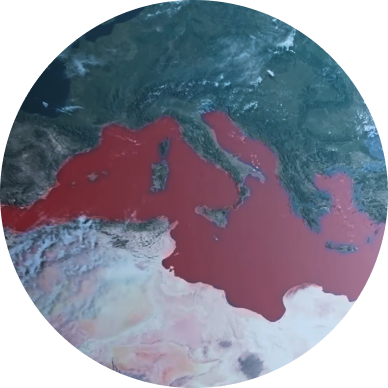
Documentary: Nanoplastics. Threat to Life
"According to research, the concentration of microplastics in the Mediterranean sea is about four times greater than in the North Pacific Ocean – where, by the way, the Great Pacific Garbage Patch is located."
Documentary: Nanoplastics. Threat to Life
"The main goal today isn't to stop plastic production, but to find ways to reduce the impact of micro- and nanoplastics on human health and the environment."

Essential for Today's Leaders & Decision-Makers
Participants will gain comprehensive, science-based, and actionable insights into a major yet insufficiently recognized global risk, supporting informed decision-making across health, environmental, and climate policy domains.

Speakers
& Attendees
This conference is designed for policymakers, members of the academic and scientific community across diverse disciplines, industry stakeholders, and civil-society representatives engaged in addressing complex environmental and health challenges.

Media
& Community Engagement
Journalists and community leaders are cordially invited to participate in the conference and engage with speakers and attendees to help bring this critical issue to a broader public audience.
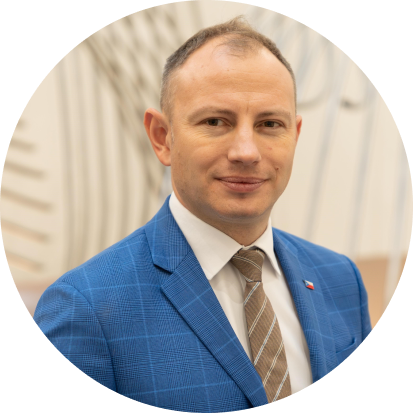
Conference Organizer:
Ing. Ondřej Knotek
Ondřej Knotek is a Member of the European Parliament, member of Patriots for Europe Group, who has long focused on strengthening the competitiveness of the European Union, supporting innovation, and promoting a realistic approach to the energy transition that takes into account its economic, security, and social impacts on Member States and their citizens.
As a Member of the European Parliament,
he supports expert discussion on the growing risks to human health, ecosystems, and climate stability. He emphasizes the need for science-based data, international cooperation, and open dialogue between scientists, experts, institutions, and political leaders.
His goal is
to foster a responsible European debate and to identify effective ways to protect public health and the environment.

About ALLATRA Global Research Center
The ALLATRA Global Research Center is an international research think tank that addresses critical planetary challenges through rigorous scientific analysis, comprehensive risk assessment, and evidence-based policy recommendations.
Operating under the legal framework of Allatra IPM USA, a 501(c)(3) nonprofit organization, the center conducts multidisciplinary research in natural disaster dynamics, climate and geophysical risks, the ecological and health impacts of micro- and nanoplastics, and global human rights and intercultural cooperation.
ALLATRA GRC's work integrates scientific inquiry with strategic and operational guidance to support informed decision-making at the global level.
Contact for registration and media: [email protected]
ALLATRA Global Research Center (ALLATRA GRC) is registered in the EU Transparency Register under registration number REG 1148853102055-15.