

ALLATRA Global Research Center Presents Micro- and Nanoplastics Research at 2026 National Beach Summit in Michigan
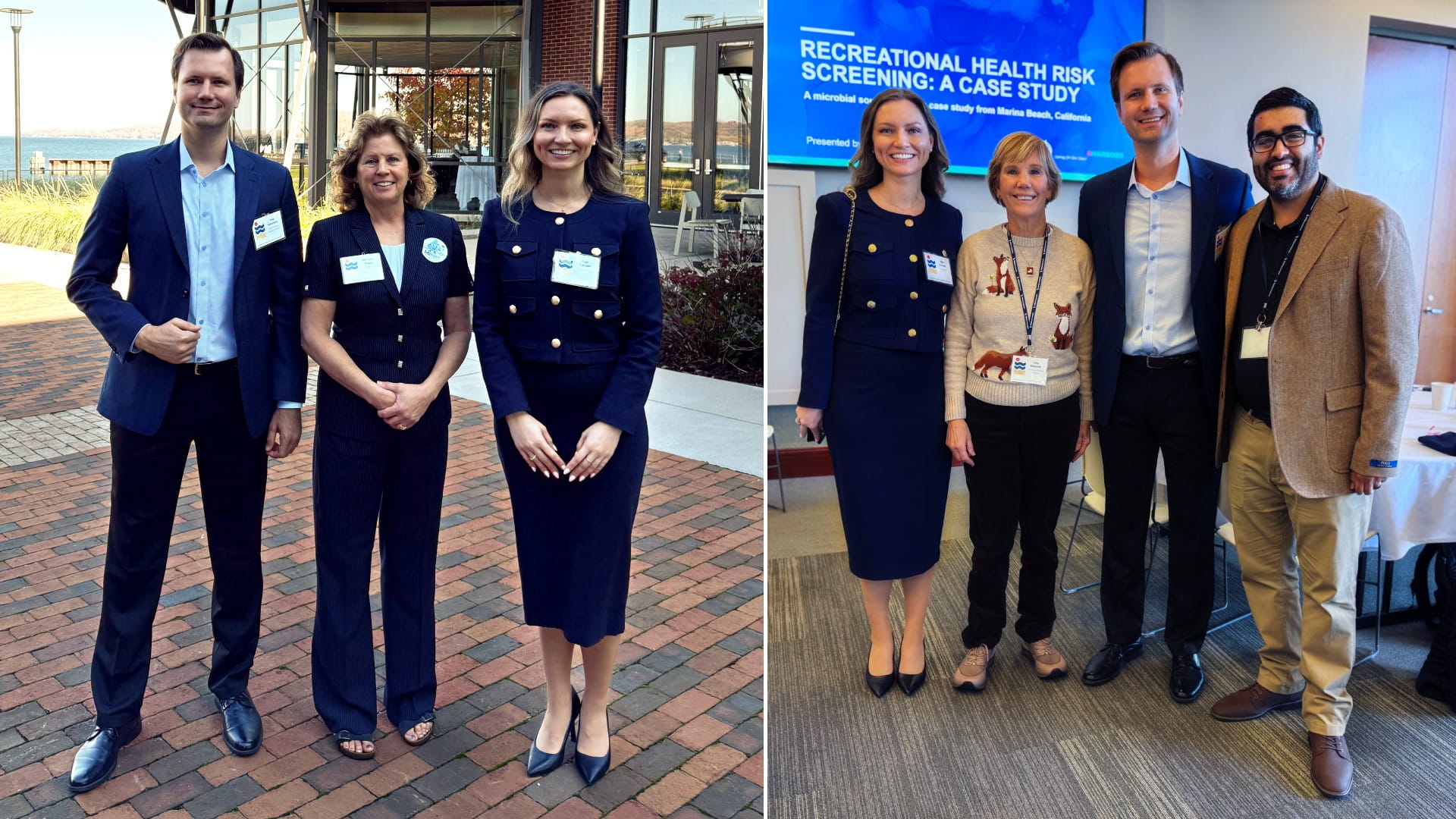
ALLATRA GRC Scientific Poster on Micro- and Nanoplastics at the 2026 National Beach Summit in Traverse City, Michigan.
TRAVERSE CITY, Mich., October 30, 2026 — ALLATRA Global Research Center (ALLATRA GRC) participated in the 2026 National Beach Summit, held October 28–30 at the Hagerty Center at Northwestern Michigan College in Traverse City, Michigan. Organized by the Michigan Department of Environment, Great Lakes, and Energy (EGLE) in collaboration with the Great Lakes Beach Association, the national summit brought together scientists, researchers, environmental health professionals, representatives of government agencies, universities, and other specialists working on recreational water quality, beach health, environmental monitoring, and public health.
Taliy Shkurupiy, Global Systems and Research Analyst at ALLATRA Global Research Center, presented a scientific poster titled Micro- and Nanoplastics in the Water Cycle: Impacts on Beaches and Health.
The poster presented a focused selection of research concerning the behavior and potential environmental and health implications of micro- and nanoplastics within the water cycle. It addressed characteristics including particle size, chemical composition, persistence, and electrostatic properties, as well as the potential movement of these particles through interconnected environmental systems.
The poster offered a concise overview of selected findings from a broader body of research conducted by ALLATRA GRC. The Center's 2026 report, Nanoplastics: A Systematic Risk Analysis for Human Health, Ecosystems, and the Environment, provides a more comprehensive scientific analysis of nanoplastics, examining their physicochemical properties, environmental transport, biological interactions, and potential implications for human health and ecosystems. Drawing on an extensive review of scientific literature, the report offers additional analysis and references beyond the scope of the conference poster.
The report is available through the ALLATRA Global Research Center publications page.
Distinguished Speakers and Scientific Presentations
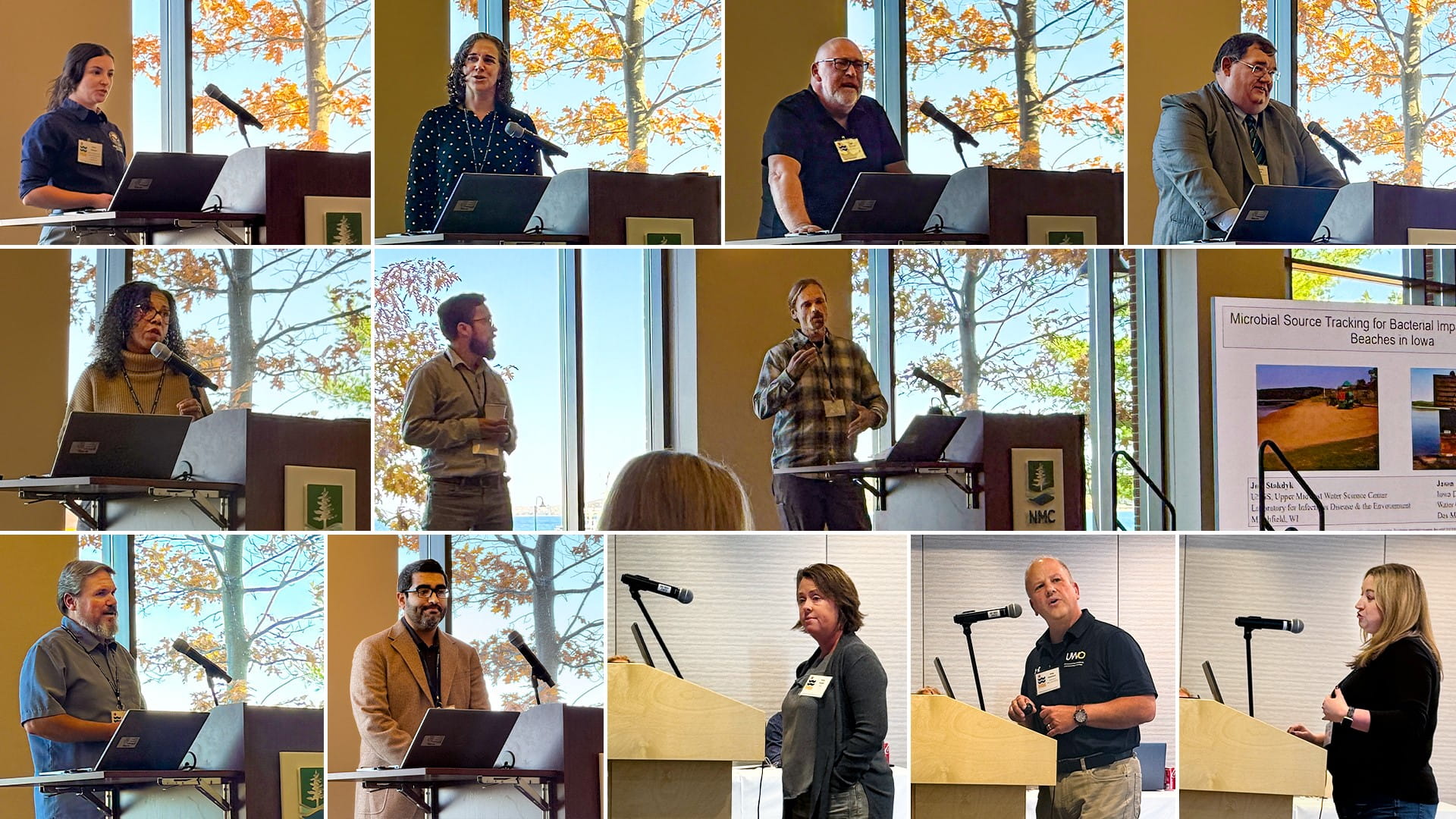
Speakers at the 2026 National Beach Summit in Traverse City, Michigan
The 2026 National Beach Summit featured distinguished scientists, researchers, environmental professionals, public health specialists, and representatives from government agencies and academic institutions. Their presentations addressed a wide range of issues related to recreational water quality, environmental contamination, beach monitoring, remediation, and public health. Among the many experts who contributed to the summit were the following speakers and researchers.
The summit opened with Heather Buonomo, Director of Environmental Health for the County of San Diego, who delivered the keynote presentation, International Ocean Sewage Crisis: Policy, Science, and Public Health Protection. Her presentation addressed the environmental and public health challenges associated with transboundary sewage contamination affecting the Tijuana River Valley and surrounding coastal communities.
The program continued with João Brandão, Ph.D., of the Portuguese National Institute of Health Doutor Ricardo Jorge, who presented Sand Quality on Portuguese Blue Flagged Beaches: Contamination Across Two Bathing Seasons. His research examined microbiological contamination in beach sand and its relevance to environmental quality and public health at recreational beaches.
The summit's microbial source tracking sessions featured several presentations focused on identifying sources of fecal and bacterial contamination in recreational waters.
Joel Stokdyk, Research Biologist with the U.S. Geological Survey, and Jason Palmer of the Iowa Department of Natural Resources jointly presented Microbial Source Tracking for Bacterial Impairments at Public Beaches in Iowa. Their research examined microbial source tracking approaches for identifying potential sources of bacterial contamination affecting public beaches and the importance of identifying contamination sources when evaluating recreational water quality and potential public health risks.
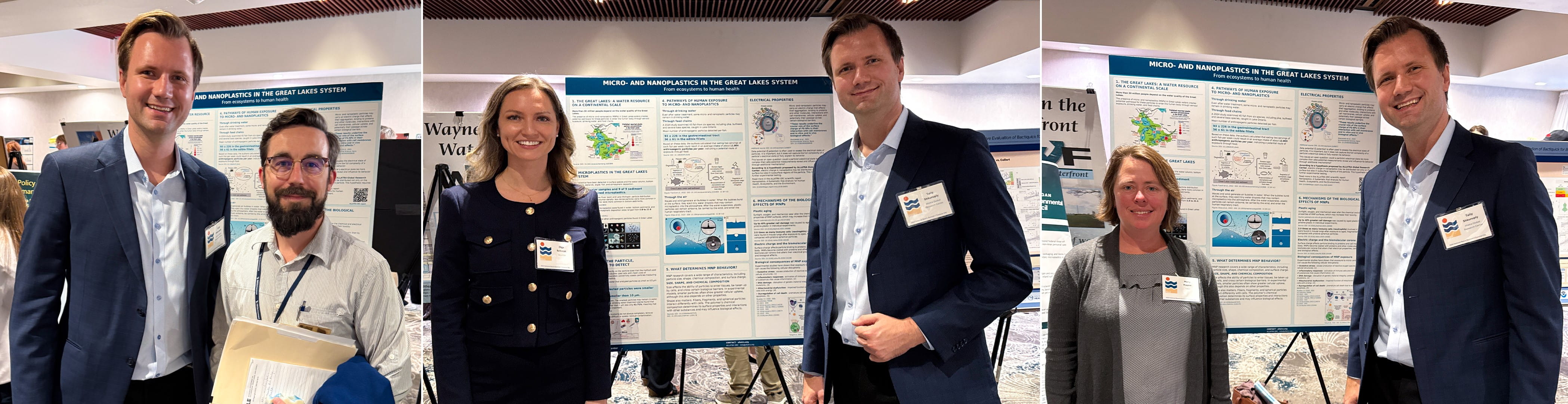
Taliy Shkurupiy, Shannon Briggs, Olga Schmidt, Dr. Jody Harwood, and Dr. Aldo Lobos at the 2026 National Beach Summit in Traverse City, Michigan.
Aldo Lobos, Ph.D., presented HF183 Is Exclusively a Marker of Untreated Sewage Pollution – True or False? The presentation examined the use and interpretation of microbial source tracking markers for identifying sources of fecal contamination.
Joshua Steele, Ph.D., of the Southern California Coastal Water Research Project, presented Linking Indicators of Fecal Contamination to Human Health Risk in Southern California Stormwater. His research examined relationships between fecal contamination indicators and potential human health risks associated with contaminated stormwater.
Molly Rippke of the Michigan Department of Environment, Great Lakes, and Energy presented MST with E. coli TMDL Monitoring, addressing the use of microbial source tracking in conjunction with E. coli monitoring and Total Maximum Daily Load efforts.
Gregory T. Kleinheinz, R.S., Ph.D., of the University of Wisconsin-Oshkosh, presented Wisconsin's Beach Remediation Projects. Kleinheinz is Chair of the Department of Engineering Technology, Director of the Environmental Research and Innovation Center, Viessmann Chair of Sustainable Technology, and Professor of Environmental Engineering Technology.
These presentations represent only a selection of the expertise and research shared during the three-day summit. Collectively, the program highlighted the range of scientific approaches being applied to beach and recreational-water protection, including microbial source tracking, pathogen monitoring, beach-sand assessment, environmental remediation, and public-health risk assessment.
Scientific Exchange and Collaboration
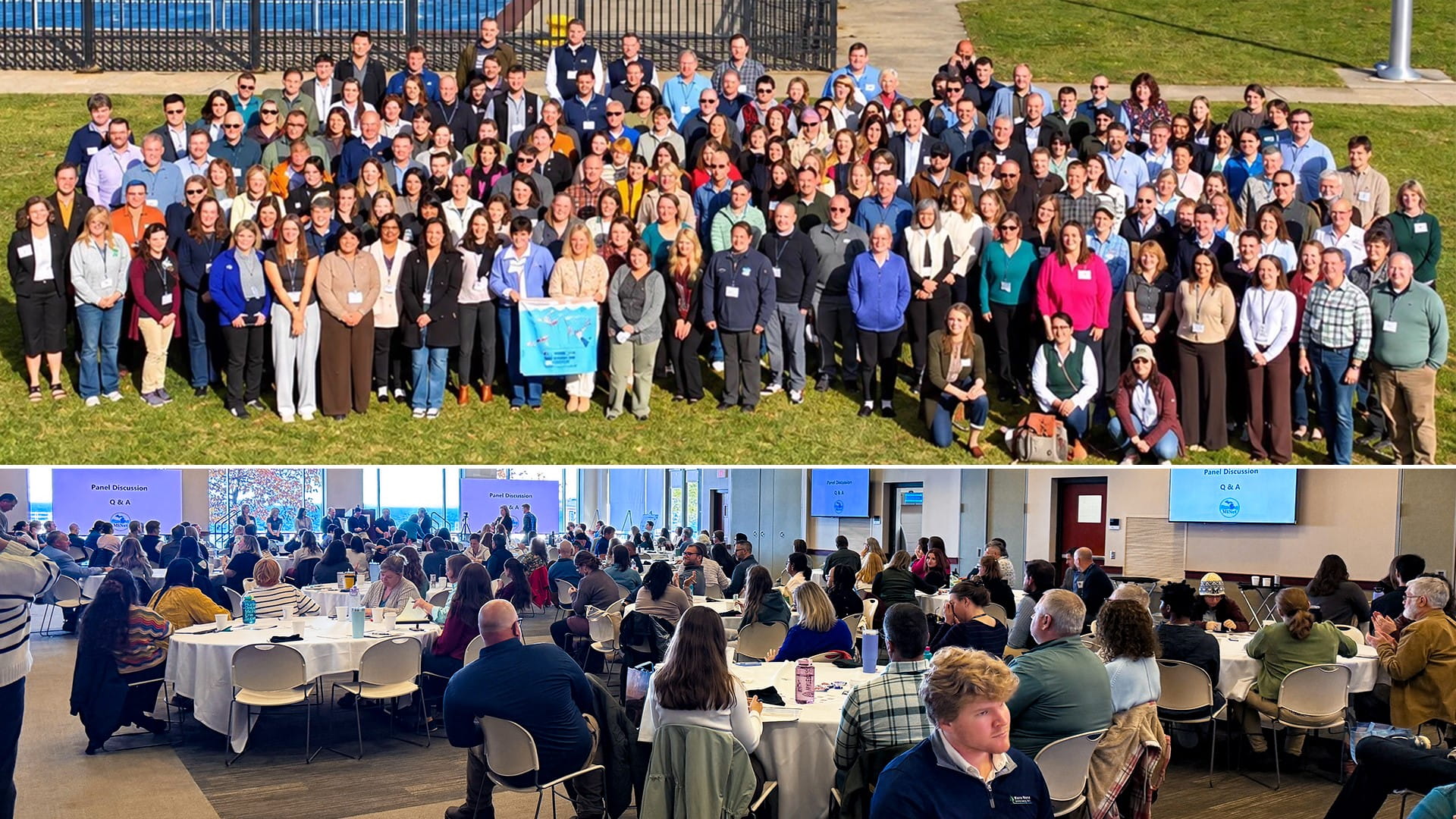
Summit Participants and Attendees at the 2026 National Beach Summit in Traverse City, Michigan
ALLATRA GRC participated in the summit's scientific exchange alongside researchers, academic institutions, and environmental professionals, presenting its research on micro- and nanoplastics and engaging in discussions on emerging environmental contaminants, water quality, and public health. The participation reflected the importance of bringing together independent research initiatives, scientific institutions, and public agencies to advance scientific understanding and address complex environmental challenges.
The summit highlighted the importance of collaboration among researchers, public agencies, universities, and environmental professionals in addressing complex challenges affecting beaches and recreational waters. The exchange of scientific findings and practical experience across disciplines can help advance environmental monitoring, improve understanding of emerging contaminants, and inform efforts to protect ecosystems and public health.
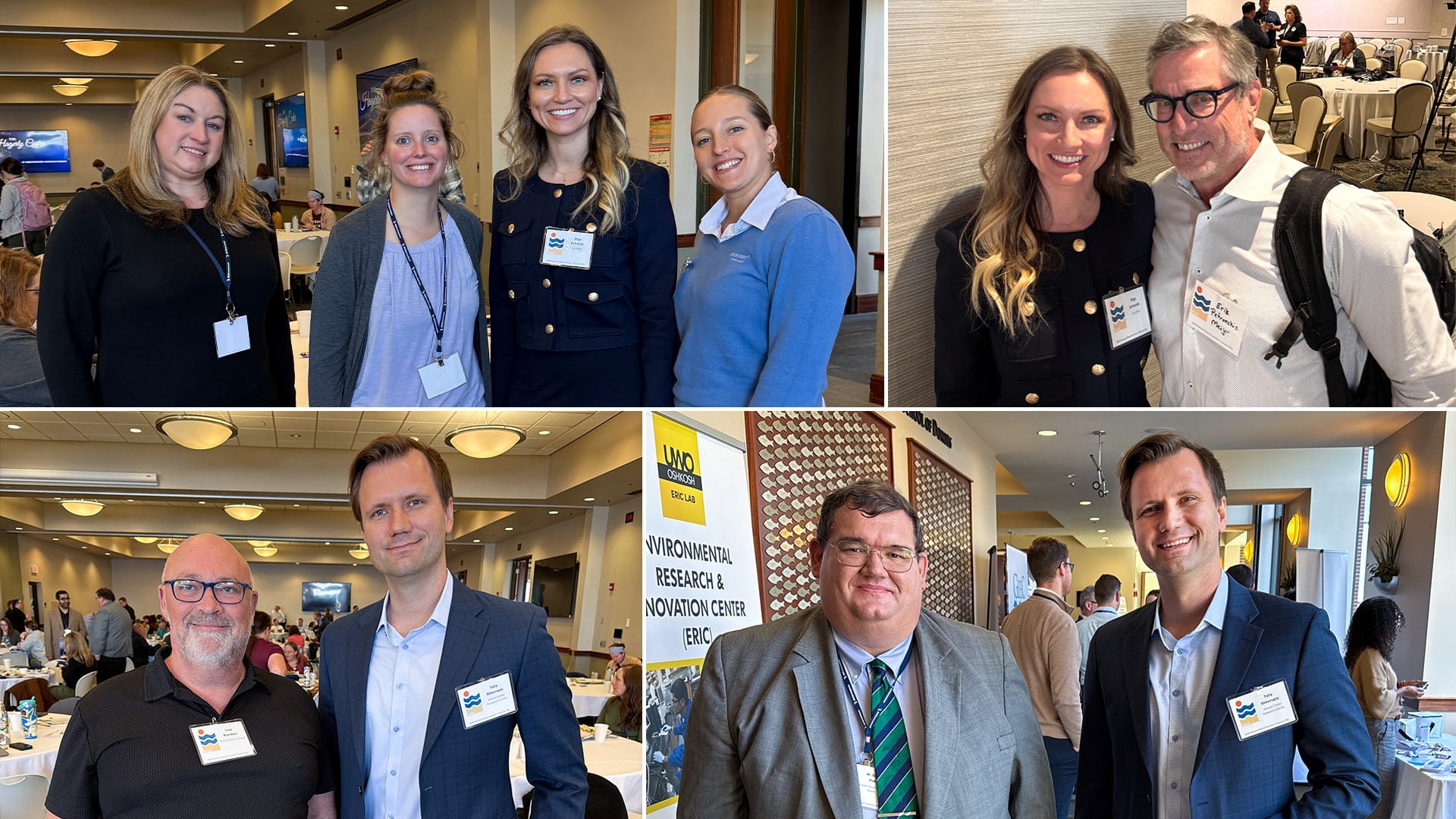
Jennifer Lavender Braun, Emily Campbell, Olga Schmidt, Lauren Godinez, Erik Petrovskis, Dr. João Brandão, Taliy Shkurupiy, and W. David Polk at the 2026 National Beach Summit in Traverse City, Michigan.
Acknowledgment
ALLATRA GRC extends its appreciation to the Michigan Department of Environment, Great Lakes, and Energy (EGLE) and the Great Lakes Beach Association for organizing the 2026 National Beach Summit and bringing together researchers, environmental professionals, public agencies, and other stakeholders to exchange scientific information and practical experience related to beach and recreational-water protection.
About ALLATRA Global Research Center
ALLATRA Global Research Center brings together scientists, researchers, and specialists from different countries to study global challenges, including natural disasters, geodynamic changes, micro- and nanoplastics, and human rights. The Center publishes science-based analyses and recommendations for researchers, policymakers, the media, and the public.
For press inquiries, please contact: [email protected]