

Micro- & Nanoplastics
How Do Micro- and Nanoplastics Affect the Brain? New Evidence
Corresponding author: Anna Kotlyar, [email protected]
Article
It is difficult to imagine that an organism only a few months old could already exhibit signs of processes resembling Alzheimer's disease.
Yet that is precisely the unexpected conclusion reached by researchers studying young seabirds that were still preparing to leave the nest and embark on their first long migration across the ocean.
In the spring of 2025, Science Advances published the article "Seabirds in Crisis: Plastic Ingestion Induces Proteomic Signatures of Multiorgan Failure and Neurodegeneration," which examined shearwater chicks on Lord Howe Island in the Tasman Sea. The researchers investigated the consequences of plastic ingestion after adult birds mistakenly ingested plastic debris, mistaking it for food. Unable to distinguish plastic fragments from natural prey, the parent birds are not only exposed to plastic pollution themselves but also inadvertently feed plastic to their chicks. As a result, plastic begins to accumulate in chicks' bodies from the very first months of life [1].
The study's findings were so unexpected and alarming that they quickly drew the attention of researchers around the world. Even chicks that appeared outwardly healthy showed evidence of serious dysfunction affecting multiple internal organs and the nervous system.
The chicks whose stomachs contained hundreds of plastic fragments exhibited signs of impaired liver, kidney, gastrointestinal, and, most concerningly, brain function.
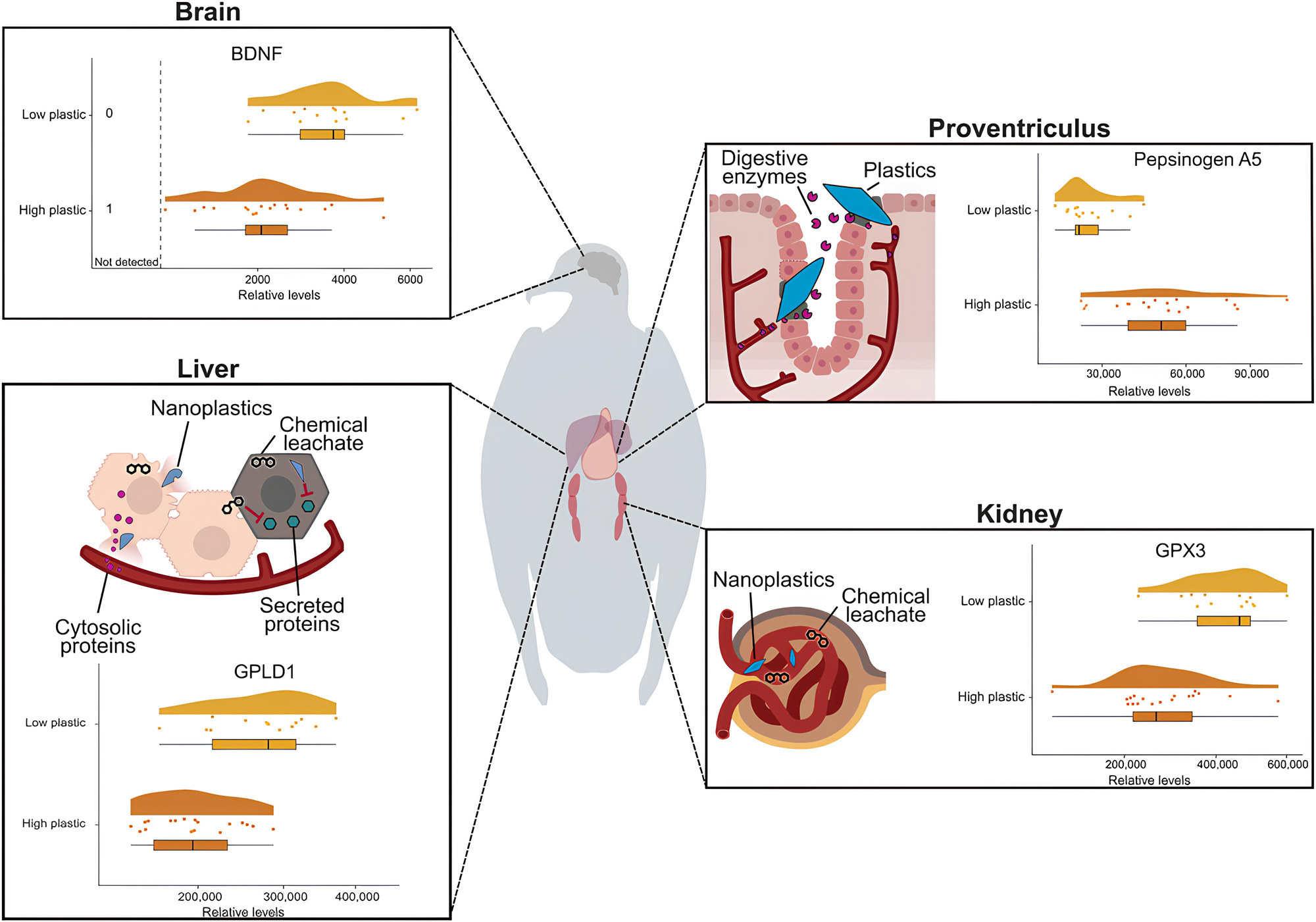
Source: [1]. License: CC BY 4.0.
Analysis of the blood proteome revealed signatures of biological processes commonly associated with neurodegeneration in humans. Remarkably, these changes were detected in birds that were not yet three months old.
This does not mean that the birds were developing Alzheimer's disease. Rather, it indicates similarities in the underlying molecular and cellular mechanisms [1].
The Brain Is Emerging as a New Target of Plastic Pollution
Until recently, scientists viewed plastic primarily as a physical hazard. It was widely believed that its harmful effects stemmed mainly from the ingestion of plastic fragments, which accumulate in the digestive tract and interfere with normal feeding. Today, however, it is increasingly clear that plastic can also affect the body at the cellular level due to its unique physicochemical properties. A comprehensive analysis of these mechanisms is presented in the ALLATRA scientific and analytical report Nanoplastics: A Systematic Risk Analysis for Human Health, Ecosystems, and the Environment [2].
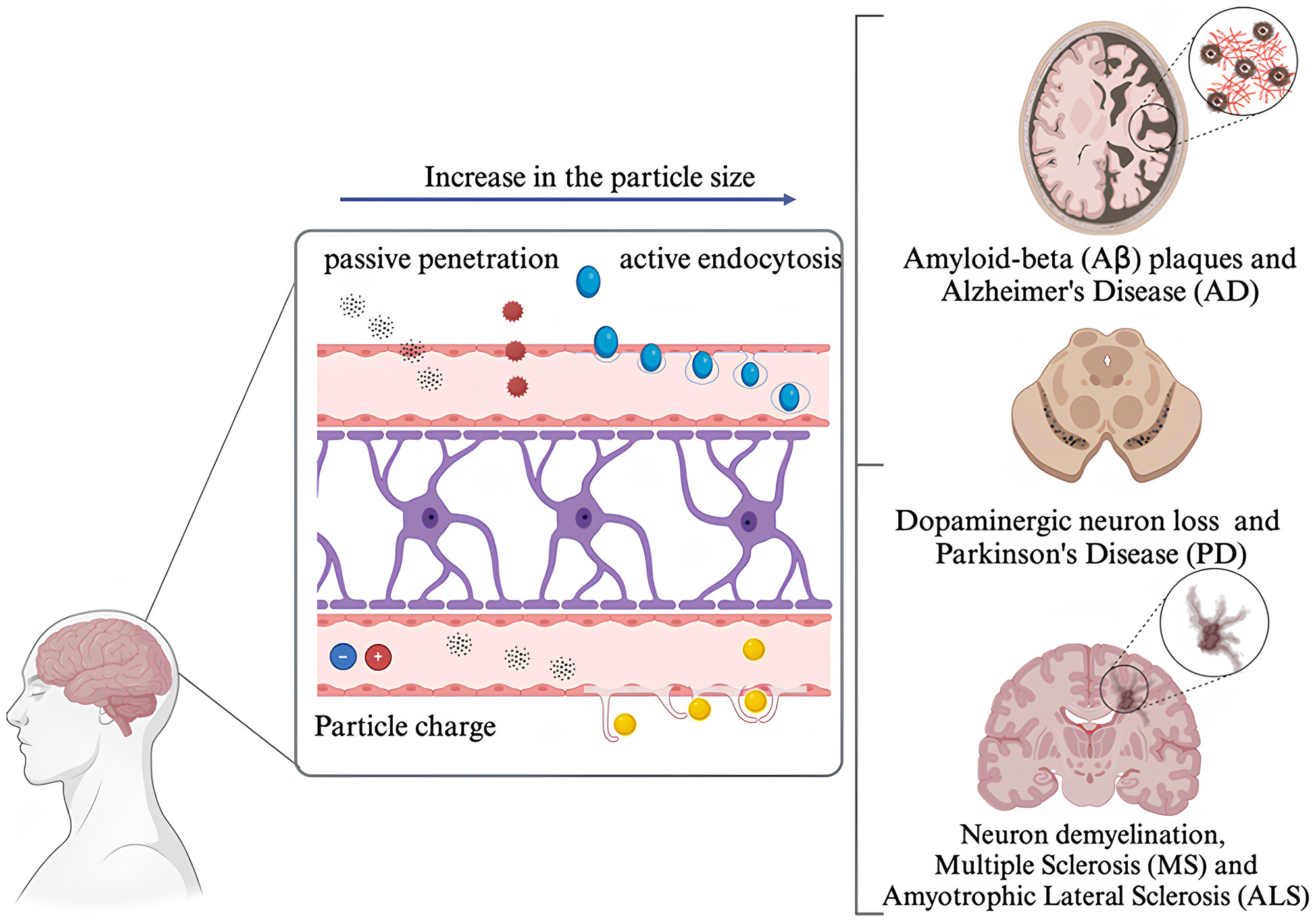
Researchers are increasingly detecting micro- and nanoplastics in nervous system tissues, including the brain. Animal studies have shown that these particles can cross the blood-brain barrier, the body’s highly specialized protective system that separates the brain from the bloodstream. Under normal conditions, this barrier prevents toxins, pathogens, and other potentially harmful substances from entering the brain [3-5].
Nanoplastic particles, however, are so small and possess physicochemical properties, including surface electrical charge, that enable them to penetrate this protective barrier and accumulate in brain tissue [2-5].
A review article published in Frontiers in Neuroscience, “From Environment to Brain: The Role of Microplastics in Neurobehavioral Disorders,” synthesized findings from numerous studies on the effects of micro- and nanoplastics on the nervous system. The authors concluded that these particles can induce neuroinflammation, oxidative stress, neuronal damage, and disruption of neurotransmitter systems. Animal experiments have further shown that such effects may be accompanied by impaired memory and learning, increased anxiety-like behavior, and deficits in motor function [3].
What Happens Inside the Brain?
When micro- and nanoplastics enter nervous tissue, they can trigger a range of biological processes that may interfere with normal brain cell function.
One of the primary mechanisms is oxidative stress.
Neurons are particularly vulnerable to reactive oxygen species, highly reactive molecules that, when produced in excess, can damage cell membranes, proteins, and DNA. Numerous studies have shown that micro- and nanoplastics can increase the production of these molecules, disrupting normal cellular function [2-5].
Another important mechanism is neuroinflammation.
The brain has its own immune defense system, in which specialized cells called microglia play a central role. Under normal conditions, microglia help maintain the health of nervous tissue by removing cellular debris and responding to potential threats.
However, prolonged activation, including that induced by micro- and nanoplastics, causes microglia to release pro-inflammatory molecules that sustain chronic inflammation. The problem is compounded by the fact that the body lacks effective mechanisms to break down and eliminate most plastic particles. Once they enter brain tissue, micro- and nanoplastics can persist within cells for extended periods. Macrophages and microglia attempt to remove these foreign particles by phagocytosis, but are unable to completely degrade them. As a result, plastic accumulates within these cells, leading to cellular dysfunction, cellular stress, and, in some cases, cell death. This persistent accumulation helps maintain chronic inflammation and creates conditions that are unfavorable for the normal function and survival of neurons [2-5].
Today, chronic neuroinflammation is widely recognized as one of the factors associated with the deterioration of nervous tissue and age-related cognitive decline.
Another potential mechanism involves disruption of neuronal communication.
Animal studies, including experiments in fish and mice, have shown that exposure to micro- and nanoplastics can alter the levels of dopamine, serotonin, and acetylcholine. These neurotransmitters play essential roles in learning and memory, regulate mood, and help control movement [3-5].
Studies also point to another potential mechanism involving mitochondrial dysfunction. Mitochondria serve as the cell's "powerhouses," generating the energy required for normal cellular function. Because the brain is one of the body's most energy-demanding organs, even subtle impairments in mitochondrial function can have significant consequences for nervous tissue.
Interestingly, many of the proposed mechanisms by which micro- and nanoplastics influence the brain resemble processes observed in age-related neurodegenerative disorders, including Alzheimer's disease and Parkinson's disease [2-5].
Additional evidence comes from the study "Exposure to Polystyrene Microplastics Impairs Hippocampus-Dependent Learning and Memory in Mice," whose findings suggest possible damage to the hippocampus, a brain structure often referred to as the brain's "memory center." The hippocampus plays a critical role in learning, the consolidation of new information into long-term memory, and spatial navigation. In experiments with mice, microplastic particles were detected directly within this region of the brain. Their presence was associated with increased inflammation, impaired neuronal function, and deficits in learning and memory [6].
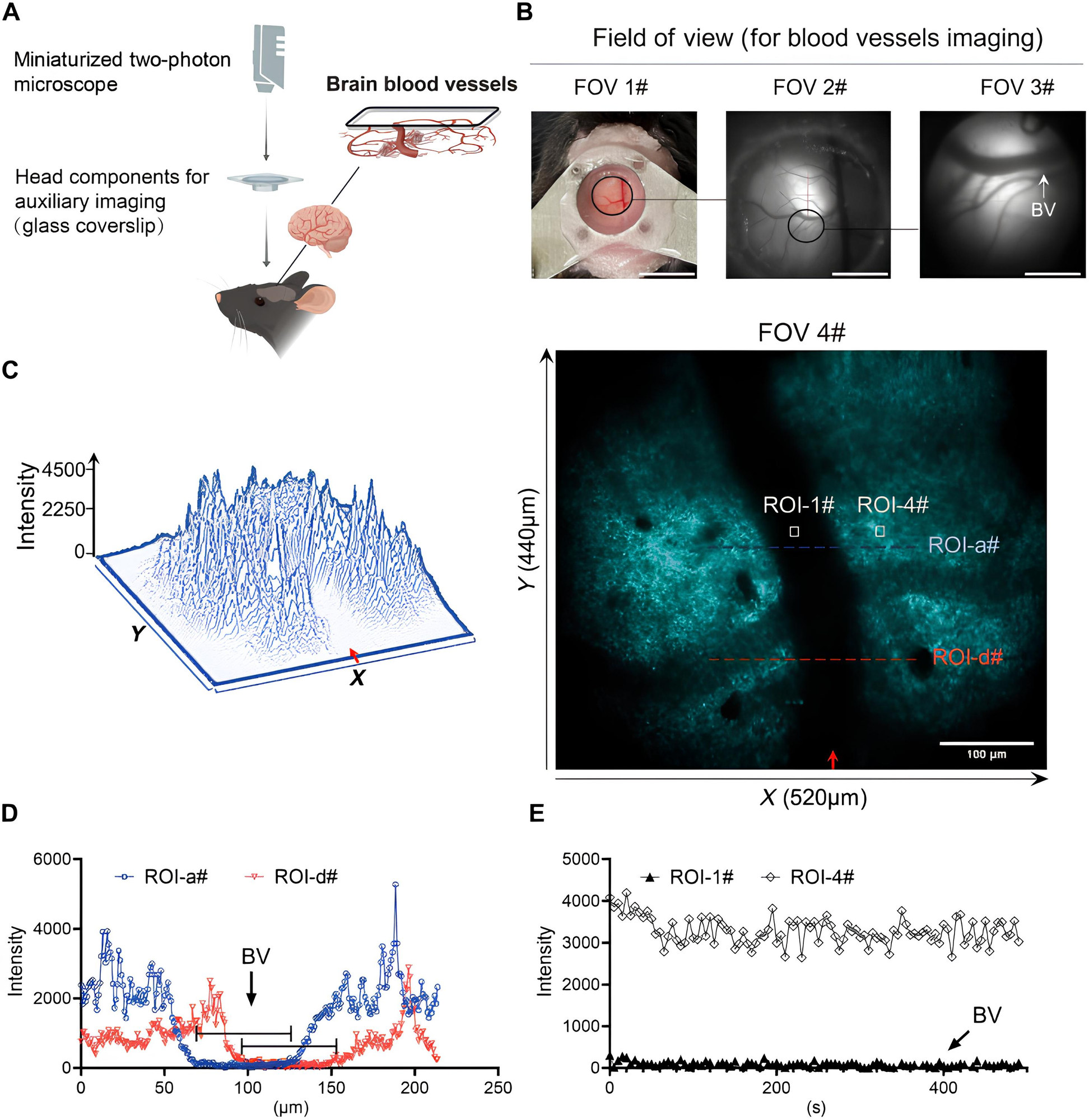
Researchers at the Chinese Research Academy of Environmental Sciences also provided important new evidence in their study "Microplastics in the Bloodstream Can Induce Cerebral Thrombosis by Causing Cell Obstruction and Lead to Neurobehavioral Abnormalities," in which they observed the movement of micro- and nanoplastics through the cerebral blood vessels of mice in real time [7].
The researchers found that blood cells which had engulfed the particles could become lodged in small blood vessels, partially obstructing normal blood flow. These accumulations resembled microscopic "traffic jams" within the brain's vascular network. In the exposed animals, these changes were accompanied by neurological and behavioral abnormalities, including reduced motor activity [7].
Even more concerning is that similar processes are being observed not only in animals.
Researchers Have Detected Micro- and Nanoplastics in Human Brain Tissue
In a study published in Nature Medicine, researchers analyzed postmortem samples of human brain, liver, and kidney tissue. They found that the concentration of plastic particles in the brain was 7 to 30 times higher than in the other organs examined [8].
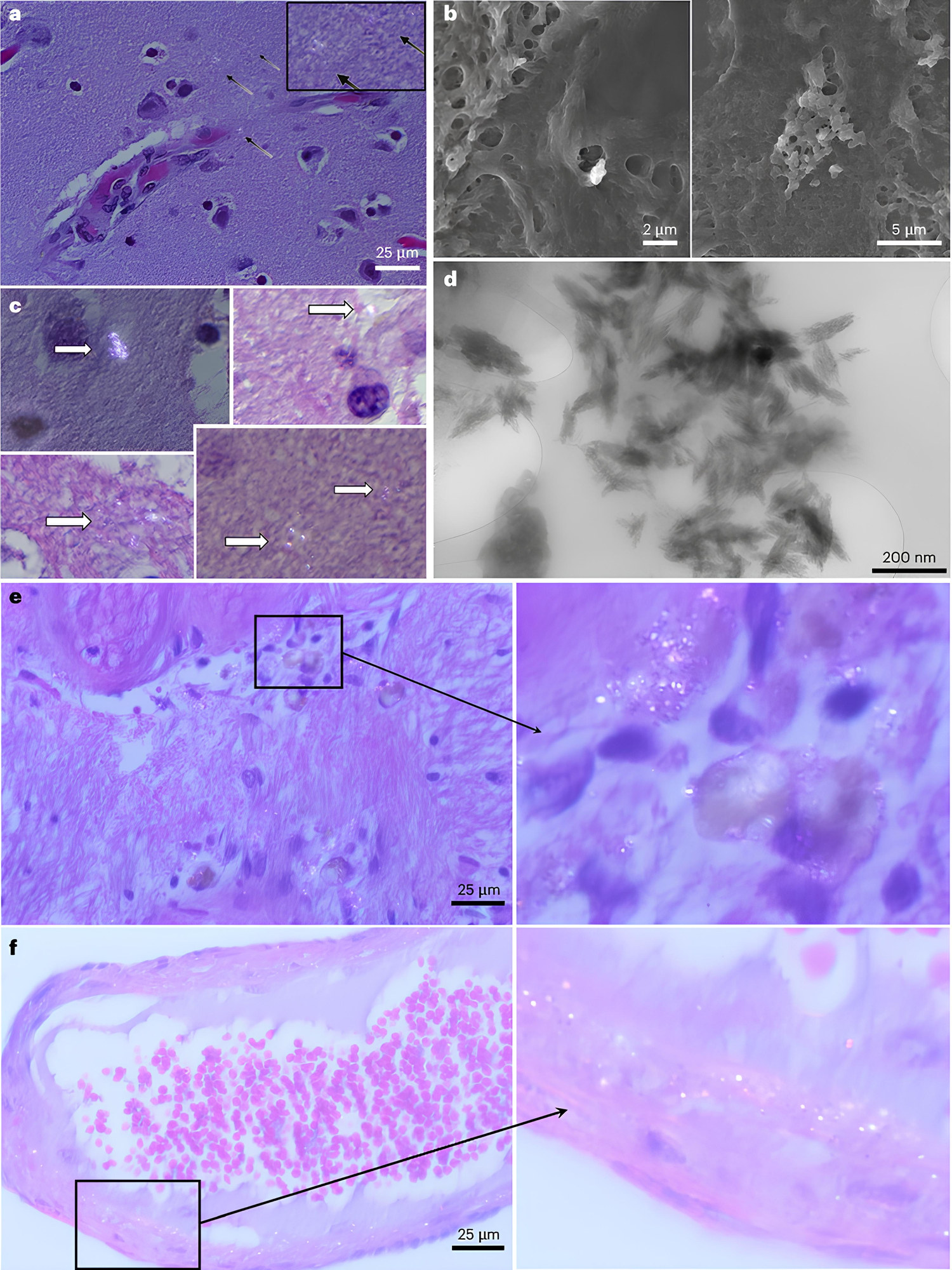
Of particular interest was the observation that brain samples from patients with confirmed dementia contained higher levels of detected plastic particles [8].
The authors emphasize that their findings do not establish a causal relationship between plastic accumulation and the development of dementia. Nevertheless, the discovery of such high concentrations of plastic particles in the brain, along with their elevated levels in individuals with dementia, has become one of the most widely discussed findings in this field in recent years.
Following its publication, the study sparked considerable scientific debate. Some researchers raised concerns about potential limitations of the Py-GC/MS method used to quantify micro- and nanoplastics in brain tissue. The study's authors disagreed with these criticisms. As a result, although the presence of micro- and nanoplastics in human tissues has been confirmed, questions regarding their precise concentration in the brain and their clinical significance remain the subject of ongoing research [5, 8].
From Animal Observations to Human Health Risks
Returning to the shearwater chicks, it is important to recognize that seabirds are often regarded by scientists as an early warning system. They are among the first to experience the consequences of ocean pollution, providing valuable insight into emerging environmental threats long before their effects become apparent in other species and ecosystems.
For this reason, the discovery of biological changes resembling neurodegenerative processes in chicks only three months old has raised serious concern within the scientific community. The implications extend far beyond the well-being of a single seabird species. Taken together, the findings of these studies suggest that micro- and nanoplastics may interfere with fundamental cellular mechanisms that support nervous system function across a wide range of living organisms [1–8].
Many important questions remain unanswered. Nevertheless, it is already becoming clear that plastic pollution is far more than an environmental issue. It has the potential to affect the biological processes that underpin the health of both animals and humans.
About the authors


References
- de Jersey A. M., Lavers J. L., Bond A. L., et al. “Seabirds in Crisis: Plastic Ingestion Induces Proteomic Signatures of Multiorgan Failure and Neurodegeneration.” Science Advances 11 (2025): eads0834. https://doi.org/10.1126/sciadv.ads0834
- Ahn J., Hronová K., Pashigreva A., et al. Nanoplastics: A Systematic Risk Analysis for Human Health, Ecosystems, and the Environment. ALLATRA Global Research Center, 2026. https://doi.org/10.65849/agrc.report.mnp.2026.04001
- Zhang S., Wu J., Wu M., et al. “From Environment to Brain: The Role of Microplastics in Neurobehavioral Disorders.” Frontiers in Neuroscience 19 (2025): 1691461. https://doi.org/10.3389/fnins.2025.1691461
- Fang S.-J., Yin Z.-D., Li L.-F., et al. “Overall Effects of Microplastics on Brain.” Frontiers in Toxicology 7 (2025): 1619096. https://doi.org/10.3389/ftox.2025.1619096
- Moiniafshari K., Zanut A., Tapparo A., et al. “A Perspective on the Potential Impact of Microplastics and Nanoplastics on the Human Central Nervous System.” Environmental Science: Nano 12 (2025): 1809–1820. https://doi.org/10.1039/D4EN01017E
- Lee C.-W., Hsu L.-F., Wu I.-L., et al. “Exposure to Polystyrene Microplastics Impairs Hippocampus-Dependent Learning and Memory in Mice.” Journal of Hazardous Materials 430 (2022): 128431. https://doi.org/10.1016/j.jhazmat.2022.128431
- Huang H., Hou J., Li M., et al. “Microplastics in the Bloodstream Can Induce Cerebral Thrombosis by Causing Cell Obstruction and Lead to Neurobehavioral Abnormalities.” Science Advances 11 (2025): eadr8243. https://doi.org/10.1126/sciadv.adr8243
- Nihart A. J., Garcia M. A., El Hayek E., et al. “Bioaccumulation of Microplastics in Decedent Human Brains.” Nature Medicine 31 (2025): 1114–1119. https://doi.org/10.1038/s41591-024-03453-1
© 2026 José Antonio Muñoz, Anna Kotlyar. This article is published under a Creative Commons Attribution 4.0 International licence (CC BY 4.0) unless a different licence is stated in the credit line of an individual item. The authors retain copyright; ALLATRA Natural Science Review holds the right of first publication. The Review charges no submission, publication, or article processing fees. © 2026 ALLATRA Inc.